
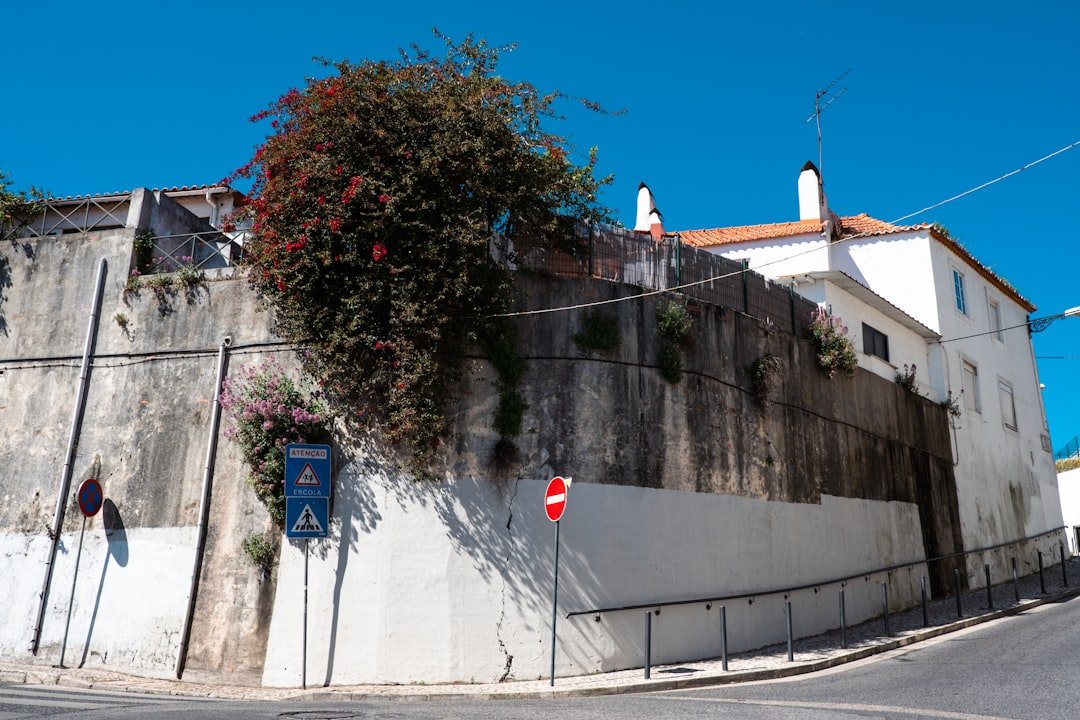
Bairro Alto is a historic neighborhood located on one of Lisbon’s hills, characterized by narrow cobblestone streets and a mix of 16th-century Portuguese architecture with modern elements. The district attracts both residents and visitors interested in experiencing Lisbon’s cultural offerings. In the evening, the neighborhood becomes active with bars, restaurants, and music venues that draw crowds seeking entertainment.
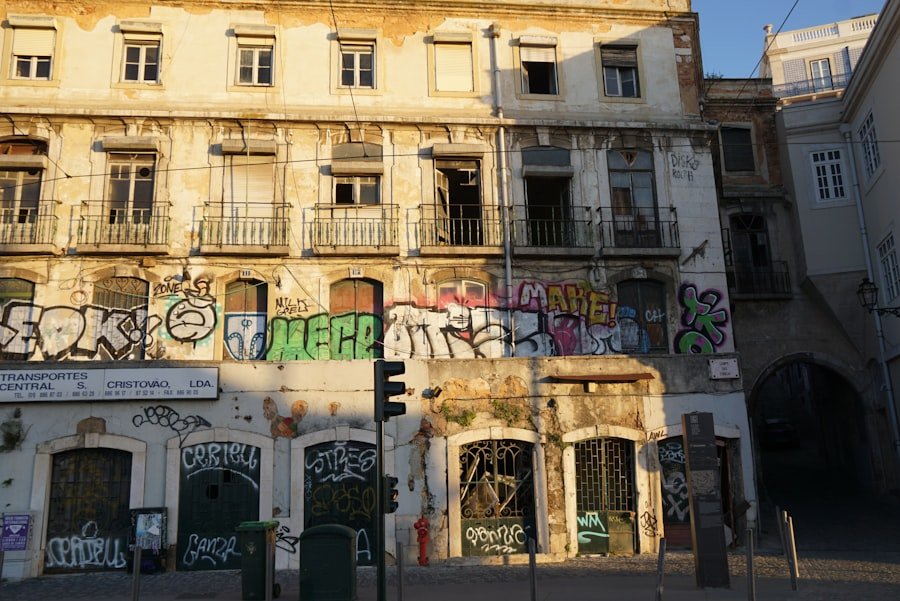
The neighborhood is particularly notable for its street art scene. Artists from various backgrounds have created murals and installations on building walls throughout Bairro Alto, addressing themes related to community identity and social issues. The combination of historical buildings and contemporary street art creates a distinctive urban environment.
The streets contain numerous examples of this artistic work, which ranges from political statements to depictions of daily life in the neighborhood.
History of Street Art in Bairro Alto
The roots of street art in Bairro Alto can be traced back to the late 20th century when graffiti began to emerge as a form of expression among youth in urban areas worldwide. In Lisbon, this movement gained momentum in the 1990s, coinciding with a broader cultural renaissance that saw the city embracing its artistic heritage. Artists began to utilize the walls of Bairro Alto as a platform to voice their opinions, challenge societal norms, and celebrate their cultural identity.
This period marked the beginning of a transformation in how public spaces were perceived, as art became an integral part of the urban landscape. As the new millennium approached, Bairro Alto became a hotspot for street artists, both local and international. The neighborhood’s bohemian spirit attracted creatives who sought to leave their mark on the city.
Murals began to appear alongside traditional tiles and architectural features, creating a dialogue between the old and the new. The rise of social media further propelled this movement, allowing artists to share their work with a global audience and connect with like-minded individuals. This digital platform not only amplified their reach but also fostered a sense of community among artists and art enthusiasts alike.
Notable Street Art Pieces in Bairro Alto
Among the myriad of street art pieces that adorn Bairro Alto’s walls, several stand out for their artistic merit and cultural significance. One such piece is the iconic mural by Portuguese artist Vhils, known for his unique technique of carving into walls to create striking portraits. His work often reflects themes of identity and urban life, resonating deeply with the local community.
Vhils’ pieces in Bairro Alto capture the essence of the neighborhood’s spirit, inviting viewers to contemplate the stories behind each face he carves. Another notable work is by the artist Bordalo II, who is renowned for his large-scale installations made from recycled materials. His vibrant animal sculptures serve as a commentary on environmental issues and consumerism, urging viewers to reconsider their relationship with nature.
In Bairro Alto, Bordalo II’s work not only beautifies the urban landscape but also sparks conversations about sustainability and ecological responsibility. These pieces exemplify how street art can transcend mere decoration, becoming a powerful medium for social commentary.
Local Street Art Tours and Guides
For those eager to delve deeper into Bairro Alto’s street art scene, numerous local tours offer guided experiences that highlight the neighborhood’s artistic treasures. These tours are often led by knowledgeable guides who are passionate about street art and its cultural implications. Participants are taken on a journey through the winding streets, where they can learn about the artists behind the murals and the stories that inspired their creations.
Such tours provide valuable context that enhances appreciation for the artwork and fosters a deeper connection to the community. One popular option is the “Street Art Tour” offered by various local companies, which typically includes visits to key murals and installations while discussing the evolution of street art in Lisbon. These tours often incorporate interactive elements, allowing participants to engage with artists or even try their hand at creating their own street art under expert guidance.
This immersive experience not only educates visitors about the techniques and styles used in street art but also encourages them to appreciate it as a legitimate form of artistic expression.
Impact of Street Art on Bairro Alto’s Culture
| Metric | Details |
|---|---|
| Location | Bairro Alto District, Lisbon, Portugal |
| Number of Street Art Pieces | Over 150 murals and graffiti artworks |
| Popular Themes | Political satire, cultural heritage, abstract art, portraits |
| Best Time to Visit | Spring and Autumn (March-May, September-November) |
| Guided Tour Availability | Yes, multiple daily tours available |
| Average Tour Duration | 2 to 3 hours |
| Accessibility | Pedestrian-friendly streets, some steep hills |
| Local Artists Featured | More than 30 local and international artists |
| Visitor Rating | 4.7 out of 5 stars (based on online reviews) |
| Nearby Attractions | Miradouro de São Pedro de Alcântara, nightlife venues, traditional Fado houses |
The impact of street art on Bairro Alto’s culture is profound and multifaceted. It has transformed public spaces into vibrant galleries that reflect the community’s values, struggles, and aspirations. Street art has become a means of storytelling, allowing artists to communicate messages that resonate with both locals and visitors.
This visual dialogue fosters a sense of belonging among residents while also attracting tourists who seek authentic experiences beyond traditional sightseeing. Moreover, street art has played a crucial role in revitalizing Bairro Alto as an artistic hub. As more artists have flocked to the area, it has become synonymous with creativity and innovation.
This influx has not only enhanced the neighborhood’s aesthetic appeal but has also stimulated economic growth by attracting businesses that cater to art enthusiasts. Cafés, galleries, and shops have emerged alongside street art, creating a thriving ecosystem that celebrates creativity while providing opportunities for local entrepreneurs.
Street Art as a Form of Activism in Bairro Alto
In addition to its aesthetic value, street art in Bairro Alto serves as a powerful tool for activism. Many artists use their work to address pressing social issues such as inequality, gentrification, and environmental degradation. Through provocative imagery and thought-provoking messages, they challenge viewers to confront uncomfortable truths about society.
This form of activism is particularly relevant in Bairro Alto, where rapid urban development has led to tensions between long-time residents and newcomers. One striking example is the work of artists who have created murals highlighting issues related to housing rights and displacement. These pieces often depict poignant scenes that evoke empathy and raise awareness about the struggles faced by marginalized communities.
By transforming public spaces into platforms for social commentary, street artists in Bairro Alto contribute to ongoing conversations about justice and equity within the city. Their work not only beautifies the environment but also empowers individuals to engage with critical societal issues.
The Future of Street Art in Bairro Alto
As Bairro Alto continues to evolve, so too does its street art scene. The future holds both challenges and opportunities for artists working in this dynamic environment. On one hand, increasing commercialization and urban development pose threats to the authenticity of street art as it risks being commodified or erased in favor of new construction projects.
On the other hand, this very growth can provide new platforms for artists to showcase their work and reach wider audiences. Emerging technologies such as augmented reality (AR) are also poised to influence the future of street art in Bairro Alto. Artists are beginning to experiment with AR applications that allow viewers to interact with murals in innovative ways, adding layers of meaning and engagement to their work.
This intersection of technology and art could redefine how audiences experience street art while preserving its essence as a form of public expression. As Bairro Alto navigates these changes, it remains essential for artists and community members to advocate for spaces that honor creativity and cultural heritage.
Tips for Exploring Street Art in Bairro Alto
Exploring Bairro Alto’s street art can be an exhilarating experience if approached with curiosity and an open mind. One essential tip is to take your time while wandering through the streets; some of the most captivating pieces are tucked away in alleyways or on less-traveled paths. Engaging with locals can also enhance your experience; they often have insights into specific artworks or artists that may not be readily available in guidebooks.
Additionally, consider visiting during different times of day to witness how lighting affects the perception of street art. Early morning or late afternoon light can create dramatic shadows that highlight textures and colors in ways that differ from midday sun exposure. Bringing along a camera or sketchbook can also enrich your exploration; capturing images or making notes allows you to reflect on your experience later.
Lastly, participating in local events or workshops related to street art can deepen your understanding of this vibrant culture. Many organizations host mural painting sessions or community discussions that invite public participation. Engaging directly with artists or fellow enthusiasts fosters connections that enhance your appreciation for Bairro Alto’s artistic landscape while contributing positively to its ongoing narrative.
FAQs
What is Bairro Alto known for in Lisbon?
Bairro Alto is a historic district in Lisbon known for its vibrant nightlife, narrow cobblestone streets, and a rich collection of street art and murals that reflect the city’s contemporary culture.
Where can I find street art in Bairro Alto?
Street art in Bairro Alto can be found throughout the district, especially on building facades, alleyways, and near popular squares. Key spots include Rua da Atalaia, Rua do Diário de Notícias, and around Praça Luís de Camões.
Is street art in Bairro Alto legal?
Many street art pieces in Bairro Alto are created with permission or as part of organized projects, but some works may be unofficial. The district embraces street art as part of its cultural identity, and local authorities often support artistic expression.
When is the best time to experience street art in Bairro Alto?
Street art can be viewed year-round, but visiting during spring or autumn offers pleasant weather for walking tours. Evening visits also allow you to enjoy the district’s nightlife alongside the art.
Are there guided tours available for street art in Bairro Alto?
Yes, several companies and local guides offer walking tours focused on street art in Bairro Alto, providing insights into the artists, styles, and cultural significance of the works.
Can I take photographs of the street art in Bairro Alto?
Yes, photography is generally allowed and encouraged, as street art is public and meant to be shared. However, it’s respectful to avoid obstructing pedestrian traffic or private property.
Is street art in Bairro Alto influenced by any particular styles or artists?
Bairro Alto’s street art features a mix of styles, including graffiti, stencils, murals, and paste-ups. Influences range from traditional Portuguese motifs to contemporary urban art, with contributions from both local and international artists.
How does street art contribute to Bairro Alto’s culture?
Street art enhances Bairro Alto’s cultural landscape by reflecting social issues, local identity, and creative expression. It attracts tourists and art enthusiasts, contributing to the district’s dynamic and youthful atmosphere.