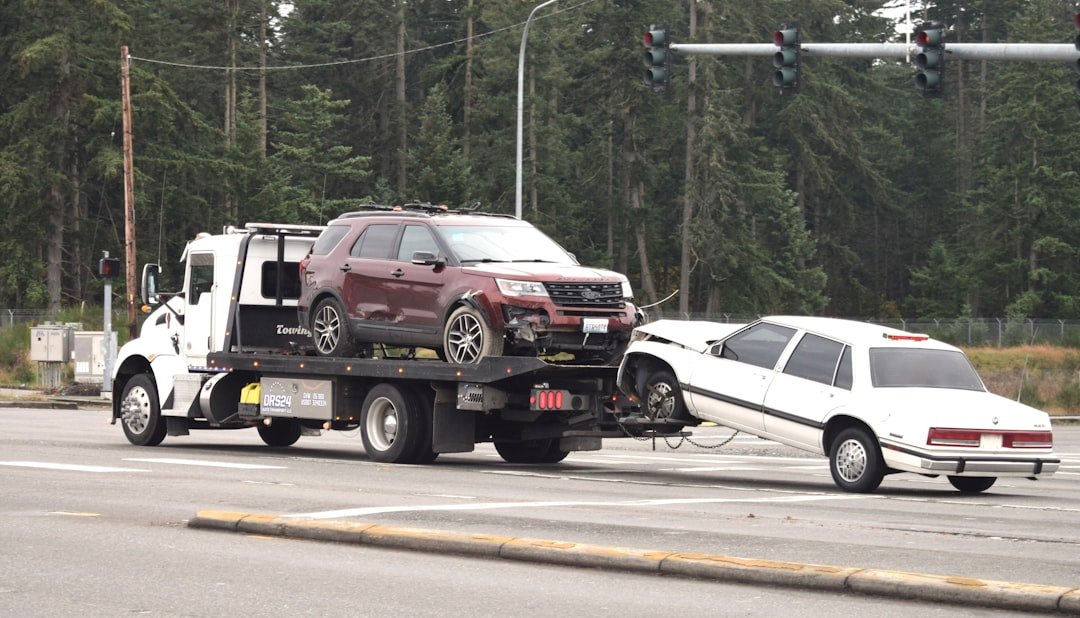
Truck accident injury claims are inherently complex due to the multifaceted nature of the trucking industry and the various parties involved. Unlike typical car accidents, which may involve only two vehicles and their respective drivers, truck accidents often include multiple stakeholders such as trucking companies, insurance providers, and regulatory bodies. The sheer size and weight of commercial trucks can lead to catastrophic injuries, making the stakes significantly higher for all parties involved.
Victims may face extensive medical bills, lost wages, and long-term rehabilitation needs, which complicates the claims process. Moreover, the legal framework surrounding truck accidents is intricate. Various laws and regulations govern the operation of commercial vehicles, including federal guidelines set by the Federal Motor Carrier Safety Administration (FMCSA) and state-specific traffic laws.
These regulations dictate everything from driver qualifications to vehicle maintenance standards. As a result, understanding the nuances of these laws is crucial for victims seeking compensation. The interplay between state and federal regulations can create additional layers of complexity, making it essential for victims to navigate these waters with care and expertise.
The Importance of Legal Representation in Dealing with Large Commercial Carriers
When it comes to truck accident injury claims, having legal representation is not just beneficial; it is often essential. Large commercial carriers typically have substantial resources at their disposal, including teams of lawyers and insurance adjusters who are well-versed in defending against claims. These entities are adept at minimizing their liability and may employ various tactics to undermine a victim’s case.
Without knowledgeable legal counsel, an individual may find themselves at a significant disadvantage when negotiating with these powerful organizations. Legal representation provides victims with a strategic advantage in several ways. First, an experienced attorney can help victims understand their rights and the potential value of their claims.
They can assess the specifics of the case, including the extent of injuries and damages incurred, and provide guidance on how to proceed. Furthermore, attorneys can handle all communications with insurance companies and trucking firms, ensuring that victims do not inadvertently jeopardize their claims by making statements that could be used against them later. This level of protection is crucial in a landscape where every word can be scrutinized.
Investigating Liability and Responsibility in Truck Accident Cases
Determining liability in truck accident cases is often a complex endeavor that requires thorough investigation. Unlike standard vehicle accidents where fault may be more straightforward, truck accidents can involve multiple parties, including the driver, trucking company, vehicle manufacturer, and even third-party maintenance providers. Each of these entities may bear some degree of responsibility for the accident, necessitating a comprehensive examination of the circumstances surrounding the incident.
Investigators typically look into various factors to establish liability. This includes reviewing driver logs to ensure compliance with hours-of-service regulations, examining maintenance records to identify any mechanical failures, and analyzing accident reports for contributing factors such as road conditions or weather. Additionally, witness statements and surveillance footage can provide critical insights into the events leading up to the accident.
By piecing together this information, legal professionals can build a robust case that clearly delineates who is at fault and why.
Negotiating with Insurance Companies and Large Commercial Carriers
Negotiating with insurance companies following a truck accident can be a daunting task for victims. Insurance adjusters are trained to minimize payouts and may employ various strategies to downplay the severity of injuries or shift blame onto the victim. This is particularly true in cases involving large commercial carriers, where insurance policies often have high limits and complex stipulations.
Victims may find themselves overwhelmed by the intricacies of these negotiations without proper guidance. An experienced attorney can play a pivotal role in this negotiation process. They understand the tactics used by insurance companies and can counteract them effectively.
For instance, an attorney can present compelling evidence that substantiates the victim’s claims regarding medical expenses, lost wages, and pain and suffering. They can also negotiate for a fair settlement that reflects the true extent of damages rather than accepting an initial lowball offer that is common in these cases. By having legal representation during negotiations, victims are more likely to secure compensation that adequately addresses their needs.
Handling the Legal Process and Court Proceedings in Truck Accident Cases
| Metric | Description | Typical Value/Range | Notes |
|---|---|---|---|
| Average Settlement Amount | Typical compensation awarded in truck accident injury claims | 50,000 – 150,000 | Varies based on injury severity and liability |
| Claim Processing Time | Time taken by commercial carriers to process claims | 3 – 12 months | Large carriers often have complex procedures |
| Percentage of Claims Denied | Claims rejected by large commercial carriers | 20% – 40% | Denials often due to liability disputes or documentation issues |
| Average Legal Fees | Typical attorney fees for handling truck accident claims | 25% – 40% of settlement | Contingency fees are common in personal injury cases |
| Common Injury Types | Frequent injuries in truck accidents | Whiplash, fractures, traumatic brain injury, spinal cord injury | Severity impacts claim value significantly |
| Insurance Coverage Limits | Typical liability coverage limits for large commercial carriers | 1 million – 5 million | Higher limits for hazardous material carriers |
| Percentage of Claims Settled Out of Court | Claims resolved without litigation | 70% – 85% | Settlement preferred to avoid lengthy trials |
The legal process following a truck accident can be lengthy and complicated, often involving multiple stages from filing a claim to potentially going to trial. Victims must navigate various legal requirements, including statutes of limitations that dictate how long they have to file a claim. Missing these deadlines can result in losing the right to seek compensation altogether.
Therefore, understanding the timeline and procedural requirements is crucial for anyone involved in a truck accident case. If negotiations with insurance companies fail to yield satisfactory results, victims may need to pursue litigation. This involves filing a lawsuit in civil court, where both parties will present their cases before a judge or jury.
The legal proceedings can be intricate, requiring adherence to specific rules of evidence and procedure. An attorney experienced in truck accident cases will be familiar with these processes and can guide victims through each step, from discovery to trial preparation. Their expertise ensures that all necessary documentation is filed correctly and on time, increasing the likelihood of a favorable outcome.
Seeking Fair Compensation for Truck Accident Injuries
Victims of truck accidents often face significant financial burdens due to medical expenses, lost income, and other related costs. Seeking fair compensation is essential not only for covering immediate expenses but also for addressing long-term impacts on quality of life. Compensation in truck accident cases can encompass various categories of damages, including economic damages like medical bills and lost wages, as well as non-economic damages such as pain and suffering or emotional distress.
Calculating fair compensation requires a comprehensive understanding of both current and future needs resulting from the accident. For instance, if a victim suffers a permanent disability that affects their ability to work, their compensation should reflect not only lost wages up to that point but also projected future earnings lost due to their inability to return to work. Additionally, ongoing medical treatment or rehabilitation costs must be factored into any settlement or award sought by the victim.
Legal representation is invaluable in this regard; attorneys can help victims accurately assess their damages and advocate for compensation that truly reflects their situation.
Understanding the Role of Federal and State Regulations in Truck Accident Claims
The trucking industry is heavily regulated at both federal and state levels, which plays a significant role in truck accident claims. Federal regulations established by the FMCSA set standards for various aspects of trucking operations, including driver qualifications, vehicle maintenance requirements, and hours-of-service rules designed to prevent driver fatigue. These regulations are designed to enhance safety on the roads but also create a framework within which liability can be assessed in accident cases.
State regulations may further complicate matters by introducing additional requirements or variations in enforcement practices. For example, some states have stricter laws regarding commercial vehicle operation or specific licensing requirements for truck drivers. Understanding how these regulations intersect is crucial for establishing liability in an accident case.
Legal professionals must be adept at navigating both federal and state laws to build a compelling case that holds responsible parties accountable for any violations that contributed to an accident.
Navigating the Challenges of Dealing with Large Commercial Carriers in Truck Accident Cases
Dealing with large commercial carriers presents unique challenges in truck accident cases due to their resources and influence within the industry. These companies often have extensive legal teams dedicated to defending against claims and minimizing payouts. Their size can also lead to bureaucratic hurdles that complicate communication and negotiation processes for victims seeking justice.
Victims may encounter delays or obfuscation tactics as they attempt to gather necessary information or negotiate settlements. For instance, large carriers might delay providing accident reports or maintenance records that are critical for establishing liability. Additionally, they may attempt to shift blame onto other parties involved in the accident or even onto the victim themselves.
Navigating these challenges requires not only legal expertise but also persistence and strategic thinking on the part of victims and their attorneys. By understanding these dynamics and preparing accordingly, victims can better position themselves for success in their claims against large commercial carriers.
FAQs
What should I do immediately after a truck accident?
After a truck accident, ensure everyone’s safety by moving to a safe location if possible, call emergency services, seek medical attention for any injuries, and document the scene with photos and witness information. It is also important to notify your insurance company and consider consulting a lawyer experienced in truck accident claims.
How are truck accident injury claims different from regular car accident claims?
Truck accident injury claims often involve larger commercial carriers, which means multiple parties such as the trucking company, the driver, and insurance providers may be involved. These claims can be more complex due to federal regulations, commercial insurance policies, and the potential for higher damages due to the severity of injuries.
Who can be held liable in a truck accident?
Liability in a truck accident can extend beyond the truck driver to include the trucking company, vehicle manufacturer, cargo loaders, maintenance providers, and even third-party contractors, depending on the circumstances of the accident.
What types of damages can I recover in a truck accident injury claim?
You may be entitled to recover economic damages such as medical expenses, lost wages, and property damage, as well as non-economic damages like pain and suffering, emotional distress, and loss of enjoyment of life. In some cases, punitive damages may also be awarded.
How long do I have to file a truck accident injury claim?
The time limit to file a claim, known as the statute of limitations, varies by state but typically ranges from one to three years from the date of the accident. It is important to consult with an attorney promptly to ensure your claim is filed within the required timeframe.
Why is it important to work with an attorney experienced in truck accident claims?
Truck accident claims involve complex laws and regulations, including federal trucking rules and commercial insurance policies. An experienced attorney can help navigate these complexities, gather necessary evidence, negotiate with large insurance companies, and advocate for fair compensation.
Can I negotiate a settlement with a large commercial carrier’s insurance company?
Yes, settlements can often be negotiated with the insurance company representing the commercial carrier. However, these companies may have significant resources and legal teams, so having an attorney to negotiate on your behalf can improve the chances of obtaining a fair settlement.
What evidence is important to support a truck accident injury claim?
Important evidence includes police reports, medical records, witness statements, photographs of the accident scene and vehicle damage, truck driver logs, maintenance records, and any available video footage such as dashcam or traffic cameras.
Are there federal regulations that impact truck accident claims?
Yes, the Federal Motor Carrier Safety Administration (FMCSA) sets regulations that govern commercial trucking operations, including driver hours of service, vehicle maintenance, and safety standards. Violations of these regulations can be critical in establishing liability in a truck accident claim.
What role does insurance play in truck accident injury claims?
Insurance is a key factor in truck accident claims. Commercial trucks typically carry higher liability insurance limits than personal vehicles. Understanding the insurance coverage available and how to file claims with multiple insurers is essential for maximizing compensation.