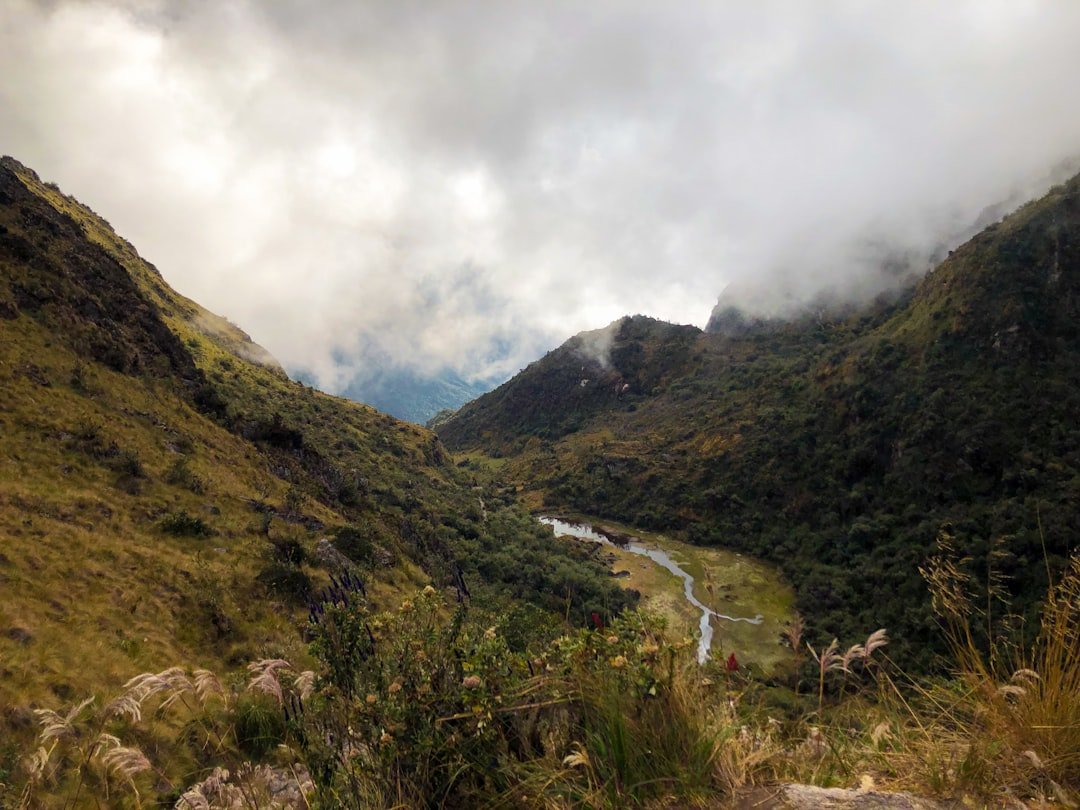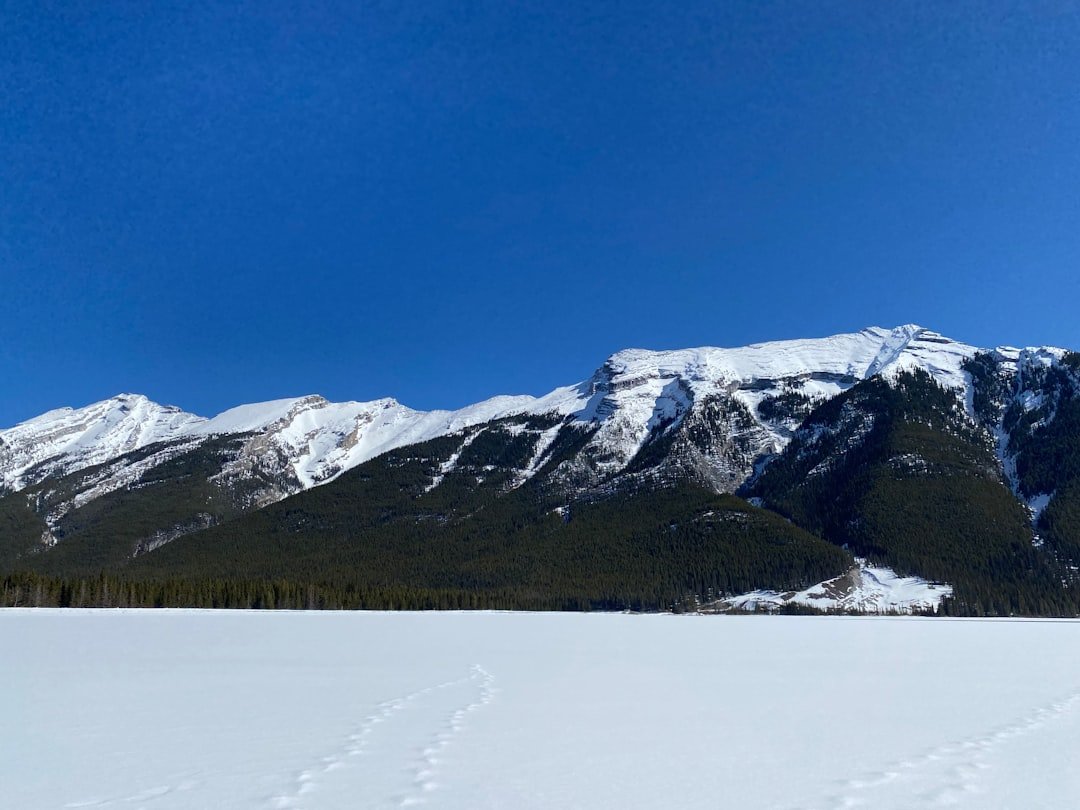
Banff National Park, located in the Canadian Rockies, contains diverse natural features including mountains, lakes, and forests. While popular trails attract most visitors, less-traveled routes provide different experiences for hikers seeking quieter environments. These remote paths pass through wilderness areas and offer views that are less frequently visited.
The quieter settings in these locations reduce human noise and allow for observation of natural sounds and wildlife. The remote trails of Banff traverse multiple ecosystem types within the park’s protected boundaries. Hikers encounter various forest types dominated by spruce and fir species, alpine meadows with seasonal wildflower growth, and steep mountain terrain.
The trails provide access to lakes with distinctive coloration and elevated viewpoints. Lighting conditions change throughout the day, affecting the visual appearance of the landscape and creating different photographic and observational opportunities on successive visits.
How to Prepare for a Remote Trail Adventure in Banff
Preparation is key when embarking on a remote trail adventure in Banff. The first step is to research the specific trail you plan to hike. Many of these paths are less maintained than their more popular counterparts, which means that understanding the trail’s difficulty level, length, and elevation gain is crucial.
Resources such as the official Banff National Park website or local hiking guides can provide valuable information about trail conditions and any potential hazards. Additionally, obtaining a detailed map can help you navigate the less-traveled routes and ensure you stay on course. Physical preparation is equally important.
Remote trails often require a higher level of fitness due to their challenging terrain and longer distances. Engaging in regular cardiovascular and strength training exercises can enhance your stamina and endurance. It’s also wise to practice hiking on varied terrains to acclimate your body to the demands of remote trails.
Furthermore, packing the right gear is essential; sturdy hiking boots, weather-appropriate clothing, and a well-stocked backpack with essentials like water, snacks, a first-aid kit, and navigation tools will ensure you are ready for any situation that may arise.
Best Practices for Hiking Banff’s Remote Trails
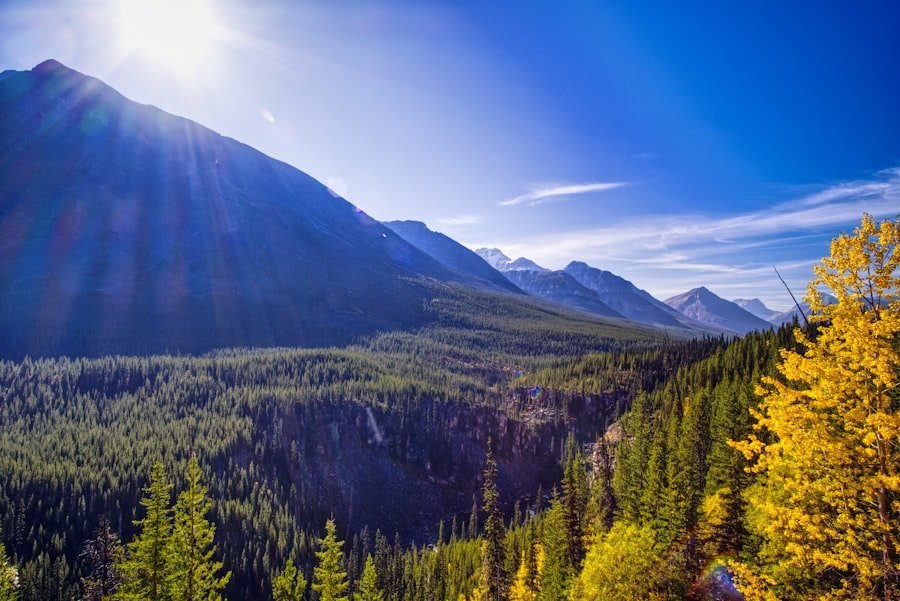
When hiking on Banff’s remote trails, adhering to best practices can enhance both your safety and enjoyment. One fundamental principle is to always hike with a partner or group. This not only provides companionship but also ensures that help is readily available in case of an emergency.
Additionally, informing someone about your hiking plans, including your expected return time, is crucial for safety. In the event that something goes awry, this information can be invaluable for search and rescue teams. Another best practice is to leave no trace.
The pristine environment of Banff is fragile, and it is essential to minimize your impact on the landscape. This includes sticking to established trails to prevent soil erosion and protecting native vegetation. Carrying out all trash and minimizing noise pollution helps preserve the tranquility of these remote areas for future visitors.
Moreover, being mindful of fire regulations and using established fire pits when allowed can prevent wildfires and protect wildlife habitats.
Wildlife Safety Tips for Exploring Banff’s Remote Trails
Banff National Park is home to a rich diversity of wildlife, including bears, elk, moose, and various bird species. While encountering these magnificent creatures can be one of the highlights of a hiking trip, it also necessitates a strong understanding of wildlife safety. One of the most critical tips is to make noise while hiking; this can help alert animals to your presence and reduce the likelihood of surprising them.
Talking, singing, or using bear bells can be effective ways to announce your approach. In addition to making noise, carrying bear spray is highly recommended when hiking in bear country. Familiarize yourself with how to use it properly before heading out on your adventure.
If you do encounter a bear, it’s essential to remain calm; back away slowly without turning your back on the animal. Never run or approach wildlife for photographs or closer views, as this can provoke aggressive behavior. Understanding animal behavior and recognizing signs of wildlife activity can also enhance your safety while allowing you to appreciate the natural world around you.
Must-See Sights Along Banff’s Remote Trails
| Trail Name | Distance (km) | Elevation Gain (m) | Difficulty | Estimated Time | Key Features |
|---|---|---|---|---|---|
| Skoki Valley Trail | 22 | 700 | Moderate | 7-9 hours | Alpine meadows, historic Skoki Lodge, wildlife viewing |
| Egypt Lake Trail | 28 | 900 | Hard | 9-11 hours | Remote alpine lakes, rugged terrain, panoramic views |
| Wapta Traverse | 32 | 1100 | Hard | 10-12 hours | Glacier views, high passes, backcountry camping |
| Healy Pass Trail | 15 | 600 | Moderate | 5-7 hours | Wildflower meadows, mountain vistas, less crowded |
| Opabin Plateau Trail | 10 | 400 | Easy to Moderate | 3-4 hours | Scenic viewpoints, alpine lakes, family friendly |
The remote trails of Banff are dotted with breathtaking sights that make every hike worthwhile. One such gem is the stunning Lake Agnes, accessible via a moderately challenging trail that leads through dense forests and past roaring waterfalls. The lake’s crystal-clear waters reflect the surrounding peaks, creating a picturesque setting perfect for photography or simply soaking in the tranquility of nature.
Nearby, the historic Lake Agnes Tea House offers hikers a chance to rest and enjoy refreshments while taking in the stunning views. Another must-see sight is the breathtaking Plain of Six Glaciers, which offers hikers an opportunity to witness some of Banff’s most impressive glacial formations. The trail meanders along Lake Louise before ascending into the alpine environment where hikers can marvel at towering glaciers and rugged mountain scenery.
The viewpoint at the end of this trail provides an awe-inspiring panorama that showcases the raw beauty of the Canadian Rockies. Each turn along these remote paths reveals new vistas that captivate the senses and leave lasting memories.
The History and Culture of Banff’s Remote Trails
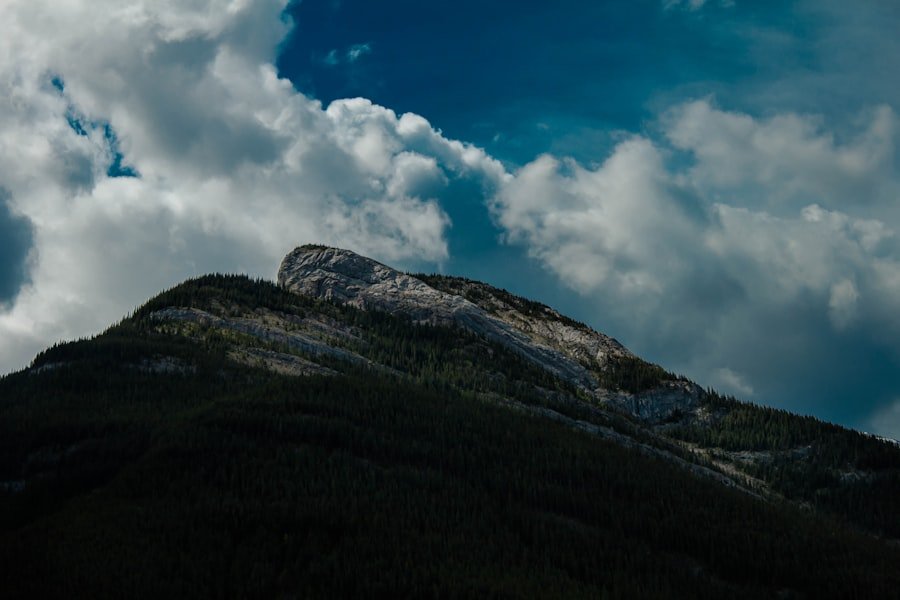
The history of Banff’s remote trails is deeply intertwined with both Indigenous cultures and early European explorers who recognized the area’s natural beauty long before it became a national park. The Stoney Nakoda Nation has lived in this region for thousands of years, utilizing its resources for sustenance and spiritual practices. Their connection to the land is evident in their stories and traditions that celebrate the mountains, rivers, and wildlife that define this landscape.
With the establishment of Banff National Park in 1885 as Canada’s first national park, European settlers began to explore these remote trails more extensively. The construction of trails was often driven by tourism interests as visitors sought to experience the breathtaking scenery that had captivated early explorers like Mary Schaffer Warren. Today, many trails still bear names that reflect this rich history, serving as reminders of both Indigenous heritage and early exploration efforts that shaped our understanding of this remarkable landscape.
Exploring Banff’s Remote Trails: A Photographer’s Dream
For photographers, Banff’s remote trails present an endless array of opportunities to capture stunning images that showcase nature’s artistry. The interplay between light and shadow across rugged mountain faces creates dramatic landscapes that change throughout the day. Early morning hikes often yield soft golden light illuminating dew-kissed wildflowers or mist rising from tranquil lakes, while sunset hikes can result in breathtaking silhouettes against vibrant skies.
Wildlife photography also thrives along these remote paths; capturing images of elk grazing in meadows or bears foraging in their natural habitat requires patience and respect for their space. Photographers should be prepared with appropriate gear—such as telephoto lenses for wildlife shots—and should always prioritize safety while trying to get that perfect shot. The unique perspectives offered by these less-traveled trails allow photographers to tell stories through their images that reflect both the beauty and fragility of this remarkable environment.
Responsible Tourism: Protecting Banff’s Remote Trails
As more people discover the allure of Banff’s remote trails, responsible tourism becomes increasingly important to ensure these natural wonders remain intact for future generations. Visitors must recognize their role in preserving this delicate ecosystem by adhering to guidelines set forth by park authorities. This includes respecting wildlife habitats by maintaining a safe distance from animals and avoiding feeding them, which can disrupt their natural behaviors.
Moreover, supporting local conservation efforts through donations or volunteer work can significantly impact preserving these trails’ integrity. Engaging with local organizations dedicated to environmental stewardship fosters a sense of community responsibility among visitors and residents alike. By practicing responsible tourism—such as choosing eco-friendly accommodations and minimizing waste—hikers can contribute positively to Banff’s environment while enjoying its breathtaking beauty.
FAQs
What is Banff National Park known for?
Banff National Park is known for its stunning mountain landscapes, crystal-clear lakes, diverse wildlife, and extensive network of hiking trails. It is Canada’s oldest national park and a UNESCO World Heritage Site.
Are there remote hiking trails in Banff National Park?
Yes, Banff National Park offers numerous remote hiking trails that provide solitude and a chance to experience the park’s wilderness away from crowded areas. These trails often require more preparation and experience.
What should I bring when hiking remote trails in Banff?
When hiking remote trails, it is important to bring adequate water, food, a map or GPS device, weather-appropriate clothing, bear spray, a first aid kit, and emergency supplies. Proper footwear and layered clothing are also recommended.
Is it necessary to have a permit for hiking in Banff National Park?
A permit is generally not required for day hiking in Banff National Park. However, permits are required for backcountry camping and some specific activities. It is advisable to check current regulations before your trip.
How can I stay safe from wildlife while hiking in Banff?
To stay safe from wildlife, make noise while hiking to avoid surprising animals, carry bear spray and know how to use it, keep a safe distance from all wildlife, and store food securely. Always follow park guidelines regarding wildlife encounters.
What is the best time of year to hike remote trails in Banff?
The best time to hike remote trails in Banff is typically from late June to early September when the weather is milder and trails are mostly free of snow. However, conditions can vary, so always check trail reports before heading out.
Are remote trails in Banff suitable for beginners?
Many remote trails in Banff are challenging and may not be suitable for beginners due to rough terrain, longer distances, and limited access to emergency services. Beginners should start with well-marked, popular trails and gradually build experience.
Can I camp along remote hiking trails in Banff National Park?
Yes, backcountry camping is allowed in designated areas along some remote trails in Banff National Park. A backcountry permit is required, and campers must follow Leave No Trace principles to protect the environment.
How do I prepare for emergencies while hiking in remote areas of Banff?
Preparation includes informing someone of your itinerary, carrying a fully charged phone or satellite communication device, packing a first aid kit, knowing basic first aid, and understanding the terrain and weather conditions. Emergency shelters or bivy sacks can also be useful.
Where can I find maps and trail information for remote hikes in Banff?
Maps and trail information can be obtained from the Banff National Park visitor centers, official Parks Canada websites, and reputable guidebooks. Digital apps and GPS devices with offline maps are also helpful for navigation.