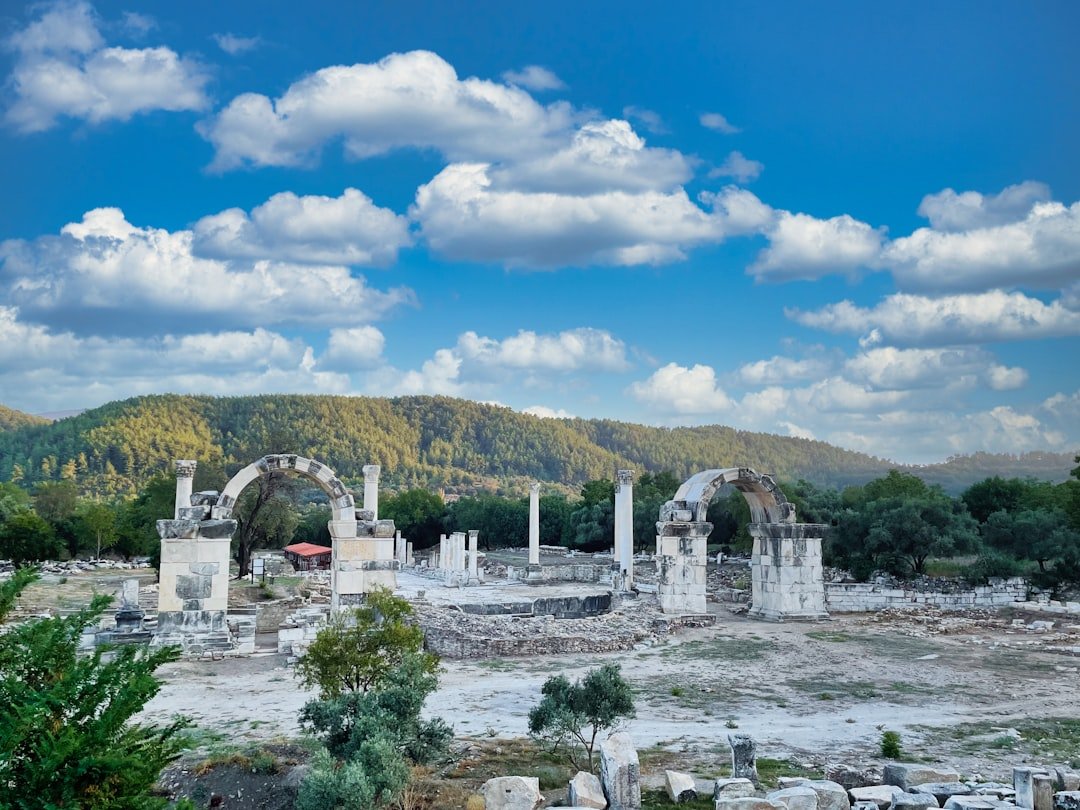
Oaxaca is a state in southern Mexico with a rich cultural heritage shaped by its indigenous populations, Spanish colonial period, and modern development. The region is inhabited by several ethnic groups, primarily the Zapotecs and Mixtecs, who maintain distinct languages, traditions, and customs. Oaxaca de Juárez, the state capital, is designated as a UNESCO World Heritage site due to its well-preserved colonial architecture and active marketplaces.
The Guelaguetza festival, held annually, features traditional music, dance, and clothing from communities throughout the region and represents efforts to maintain cultural traditions. Oaxaca’s cultural heritage plays a central role in shaping local identity. The Day of the Dead celebration demonstrates this significance, as families create altars decorated with photographs, marigolds, and traditional foods to commemorate deceased relatives.
This observance combines indigenous Mesoamerican concepts of cyclical life and death with Catholic practices introduced during the colonial era. The celebrations reflect the community’s connection to both ancestral traditions and contemporary life, providing insight into how the region maintains historical practices while adapting to modern times.
Uncovering Hidden Gems: Off-the-Beaten-Path Festivals
While Oaxaca is renowned for its major festivals, such as Guelaguetza and Day of the Dead, there exists a plethora of lesser-known celebrations that provide an authentic glimpse into local life. One such festival is the Noche de Rábanos (Night of the Radishes), held every December 23rd in the city’s main square. This unique event features intricate sculptures carved from radishes, showcasing everything from traditional scenes to fantastical creatures.
The competition draws artisans from across the region, transforming a humble vegetable into a medium for artistic expression. The atmosphere is electric as locals and tourists alike gather to admire the creativity on display, making it a truly unforgettable experience. Another hidden gem is the Fiesta de la Virgen de la Soledad, celebrated in October in honor of Oaxaca’s patron saint.
This festival is characterized by vibrant processions, traditional music, and an abundance of food stalls offering local delicacies. Unlike larger festivals that attract throngs of tourists, this celebration is more intimate, allowing visitors to engage with locals in a meaningful way. The sense of camaraderie among participants fosters a warm atmosphere where stories are shared, and friendships are forged.
Such off-the-beaten-path festivals not only enrich one’s understanding of Oaxacan culture but also provide opportunities for deeper connections with its people.
Connecting with Local Communities: Participating in Traditional Celebrations
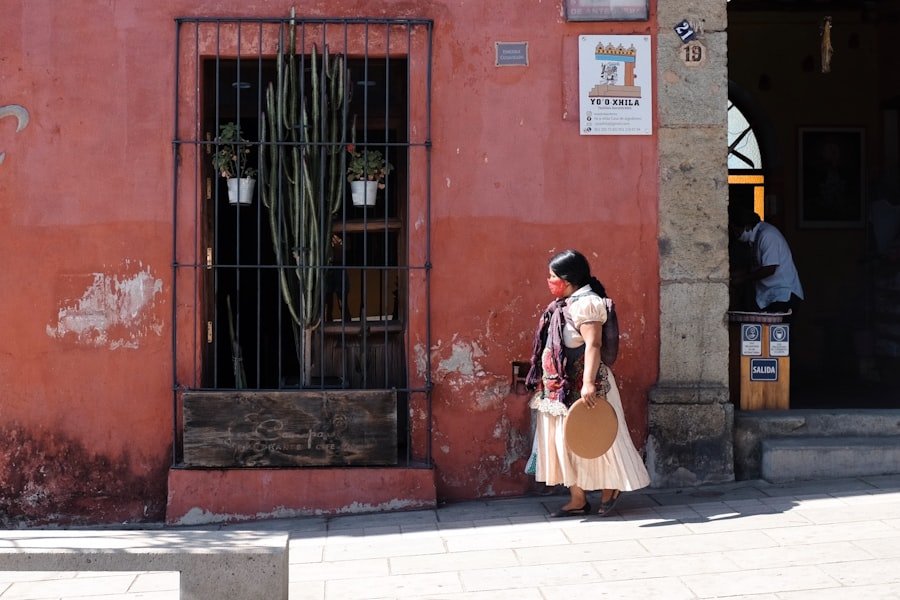
Participating in traditional celebrations is one of the most rewarding ways to connect with local communities in Oaxaca. Many festivals invite visitors to join in the festivities, whether through dance, music, or culinary experiences. For instance, during the Guelaguetza festival, attendees are often encouraged to learn traditional dances alongside local performers.
This immersive experience allows visitors to appreciate the significance of each movement and song while fostering a sense of unity among participants. Moreover, engaging with local artisans during these celebrations can provide insight into their crafts and techniques. Workshops often accompany festivals where visitors can learn about traditional weaving or pottery-making from skilled artisans.
These hands-on experiences not only enhance one’s understanding of Oaxacan culture but also support local economies by promoting sustainable practices. By actively participating in these celebrations, visitors contribute to the preservation of traditions while forging lasting memories and connections with the people of Oaxaca.
Experiencing Oaxacan Cuisine at Festivals
Oaxacan cuisine is renowned for its complexity and depth of flavor, often described as one of Mexico’s most diverse culinary traditions. Festivals provide an excellent opportunity to explore this rich gastronomic landscape. Street vendors and local restaurants set up stalls during celebrations, offering an array of traditional dishes such as mole negro, tlayudas, and tamales.
Each dish tells a story rooted in history and culture, often passed down through generations. One cannot discuss Oaxacan cuisine without mentioning mezcal, a distilled spirit made from agave that has become synonymous with the region. Many festivals feature tastings where visitors can sample different varieties of mezcal while learning about its production process from local distillers.
This experience not only tantalizes the palate but also deepens one’s appreciation for the craftsmanship involved in creating this iconic beverage. The combination of food and drink at Oaxacan festivals creates a sensory feast that celebrates both tradition and innovation.
Immersing Yourself in Oaxacan Art and Craftsmanship
| Festival Name | Location | Time of Year | Local Participation | Unique Activities | Visitor Experience |
|---|---|---|---|---|---|
| Guelaguetza | Various rural communities around Oaxaca City | July | High – Indigenous groups actively involved | Traditional dances, communal offerings, regional costumes | Authentic cultural immersion, limited tourist crowds outside main city events |
| Day of the Dead (Día de los Muertos) | Small villages like San Andrés Mixtepec | November 1-2 | Very High – Families prepare altars and rituals | Home altars, cemetery vigils, traditional foods | Intimate and respectful experience of local customs |
| Fiesta de la Candelaria | Santa María del Tule and nearby towns | February 2 | Moderate – Community religious celebrations | Processions, traditional music, dance performances | Engagement with local religious traditions and folklore |
| Night of the Radishes (Noche de Rábanos) | Oaxaca City outskirts | December 23 | Moderate – Local artisans and farmers | Radish carving contests, folk art displays | Creative cultural event with fewer tourists in peripheral areas |
| Mezcal Harvest Festival | Rural mezcal-producing villages | September – October | High – Mezcal producers and families | Mezcal tastings, traditional music, agricultural rituals | Insight into mezcal culture and rural life beyond tourist spots |
Oaxaca is a haven for artists and craftsmen who draw inspiration from their surroundings and cultural heritage. The state is particularly famous for its vibrant textiles, intricate pottery, and stunning wood carvings. Festivals often showcase these artistic traditions through exhibitions and markets where artisans display their work.
Visitors have the chance to purchase unique pieces directly from the creators, ensuring that their contributions support local economies. In addition to shopping for handmade goods, many festivals offer workshops where participants can learn about various crafts firsthand. For example, during the annual Feria Internacional del Libro de Oaxaca (International Book Fair), attendees can engage with local authors and illustrators while exploring literature that reflects Oaxacan culture.
These immersive experiences not only foster an appreciation for local artistry but also encourage visitors to consider the stories behind each piece they encounter.
Understanding the Historical Significance of Oaxacan Festivals
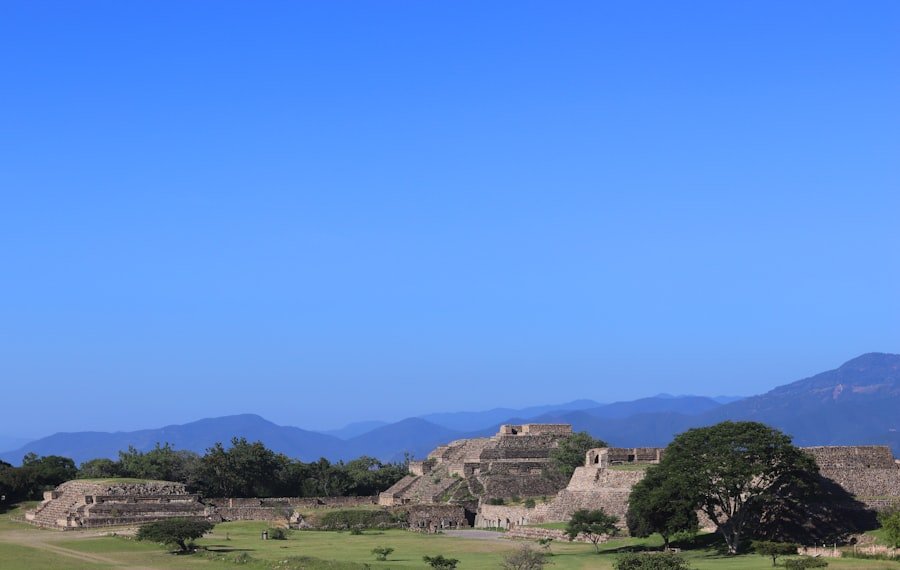
The historical significance of Oaxacan festivals cannot be overstated; they serve as living narratives that connect past and present. Many celebrations have roots in pre-Hispanic traditions that have evolved over centuries, incorporating elements from colonial influences along the way. For instance, the celebration of La Noche de los Rábanos has origins in indigenous agricultural practices but has transformed into a vibrant artistic competition that reflects contemporary Oaxacan identity.
Understanding these historical contexts enriches the festival experience for visitors. It allows them to appreciate not only the visual spectacle but also the deeper meanings behind each event. For example, during Día de los Muertos, altars are meticulously crafted to honor deceased loved ones, reflecting beliefs about life after death that have persisted through generations.
By engaging with these historical narratives, visitors gain insight into how Oaxacan communities navigate their cultural heritage in a modern world.
Supporting Sustainable Tourism: Engaging with Responsible Tour Operators
As tourism continues to grow in Oaxaca, it becomes increasingly important to engage with responsible tour operators who prioritize sustainability and community engagement. Many local companies offer tours that focus on authentic experiences while minimizing environmental impact. These operators often collaborate with local artisans and communities to ensure that tourism benefits those who call Oaxaca home.
Participating in tours led by knowledgeable guides can enhance one’s understanding of Oaxacan culture while supporting ethical practices. For instance, some operators offer culinary tours that include visits to local markets and cooking classes with families who have been perfecting their recipes for generations. Such experiences not only provide insight into Oaxacan cuisine but also foster connections between visitors and locals that transcend mere transactional interactions.
Preserving Oaxacan Traditions: Contributing to Cultural Conservation Efforts
The preservation of Oaxacan traditions is vital for maintaining the region’s cultural identity amidst globalization and modernization pressures. Many organizations work tirelessly to promote cultural conservation efforts through education and community engagement initiatives. Visitors can contribute to these efforts by participating in workshops or supporting local artisans whose crafts are at risk of being lost.
For example, organizations dedicated to preserving indigenous languages often host events during festivals where attendees can learn basic phrases or participate in storytelling sessions led by native speakers. By engaging with these initiatives, visitors not only gain valuable insights into Oaxacan culture but also play a role in ensuring that these traditions continue to thrive for future generations. Supporting cultural conservation efforts fosters a sense of responsibility among travelers to respect and honor the rich heritage they encounter during their time in Oaxaca.
FAQs
What are some popular local festivals in Oaxaca beyond the main tourist areas?
Oaxaca hosts numerous local festivals beyond the well-known tourist spots, including the Guelaguetza in smaller communities, the Night of the Radishes in local neighborhoods, and various indigenous celebrations such as the Day of the Dead in rural villages.
When is the best time to experience local festivals in Oaxaca?
Many local festivals occur throughout the year, but some of the most vibrant celebrations take place between July and November, including the Guelaguetza in July and Day of the Dead festivities in late October and early November.
How can visitors respectfully participate in local festivals in Oaxaca?
Visitors should approach local festivals with respect by observing customs, asking permission before taking photos, supporting local artisans and vendors, and learning about the cultural significance of the events to avoid disrupting traditional practices.
Are local festivals in Oaxaca family-friendly?
Yes, many local festivals in Oaxaca are family-friendly and offer activities suitable for all ages, including traditional dances, music, food, and crafts that provide a rich cultural experience for visitors of all generations.
Is it necessary to speak Spanish to enjoy local festivals in Oaxaca?
While speaking Spanish can enhance the experience, it is not strictly necessary. Many locals are welcoming and may use basic English, but learning a few key Spanish phrases can help visitors engage more meaningfully with the community.
What types of traditional foods can be found at local festivals in Oaxaca?
Local festivals often feature traditional Oaxacan foods such as mole, tlayudas, tamales, mezcal, and various regional specialties made with indigenous ingredients and recipes passed down through generations.
How can visitors find information about local festivals outside tourist zones?
Visitors can find information by consulting local community centers, cultural organizations, regional tourism offices, or by connecting with local guides and residents who can provide insights into upcoming events and their locations.
Are there any safety considerations when attending local festivals in Oaxaca?
Generally, local festivals are safe, but visitors should take standard precautions such as keeping an eye on personal belongings, staying in well-populated areas, and following any guidance from local authorities or event organizers.