Decluttering is a fundamental step in creating an organized and tidy home. This process requires removing unnecessary items while making deliberate choices about what to retain. The “one in, one out” rule is a practical strategy where one existing item is removed for every new item brought into the home.
This method maintains equilibrium and prevents excessive accumulation. For example, purchasing new shoes should prompt the donation or disposal of an unworn pair. This practice controls clutter while promoting intentional purchasing decisions.
The Marie Kondo method offers another effective approach, focusing on retaining only items that bring joy. Rather than organizing by room, this technique involves sorting belongings by category, beginning with clothing, followed by books, papers, and sentimental items. When evaluating each item, consider whether it provides happiness or serves a practical function.
Items that fail to meet these criteria should be removed. This method can be particularly effective as it helps individuals examine their relationship with possessions and create space for priorities that genuinely matter.
Simple Storage Solutions for Every Room
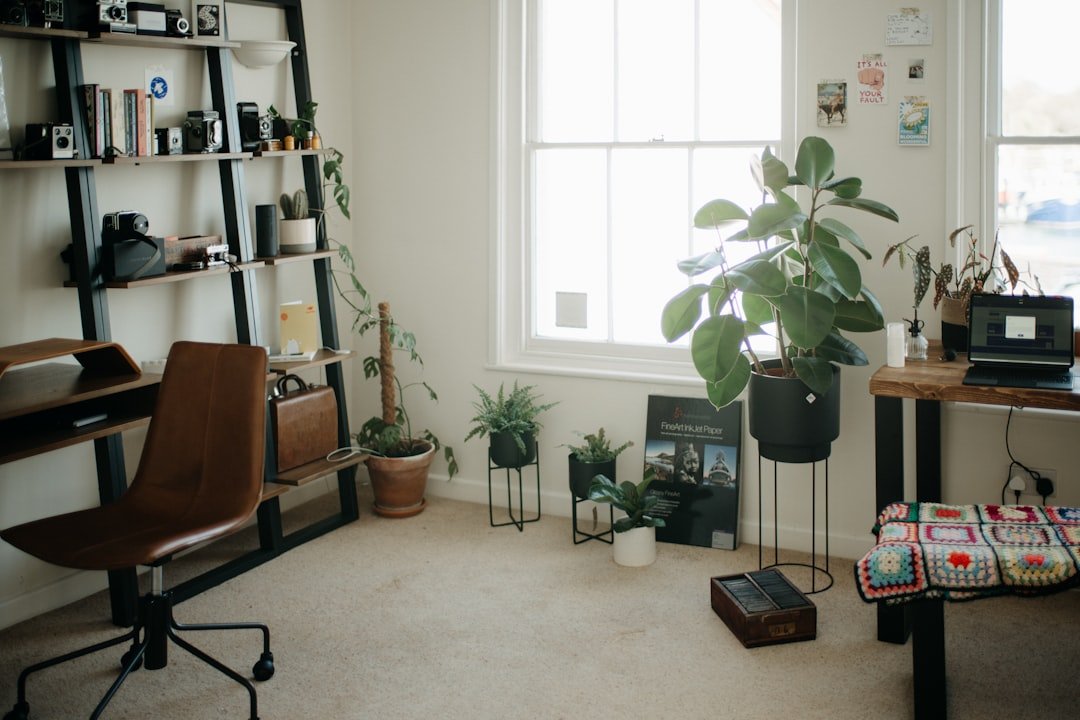
Storage solutions can transform a chaotic space into an organized haven. In the living room, consider using multifunctional furniture such as ottomans with hidden compartments or coffee tables with shelves. These pieces not only provide seating or surface area but also offer additional storage for blankets, magazines, or games.
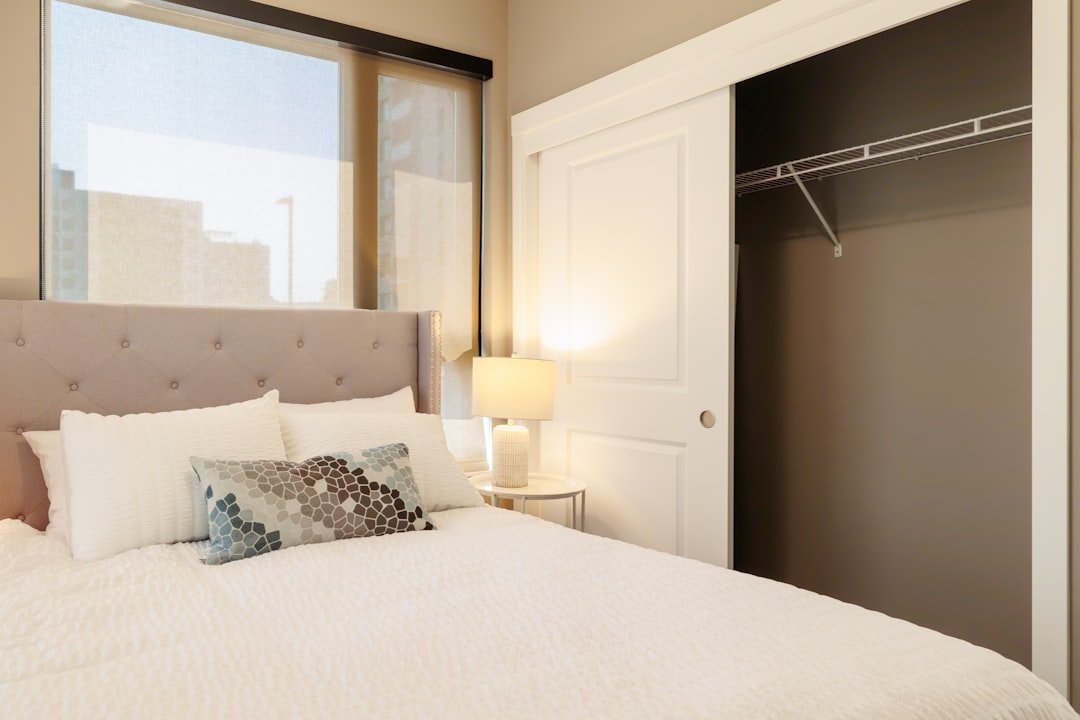
Wall-mounted shelves can also be a great way to display decorative items while keeping surfaces clear. By utilizing vertical space, you can create an airy feel in the room while maintaining organization. In the bedroom, under-bed storage is often overlooked but can be incredibly effective.
Utilize bins or drawers that slide easily under the bed to store seasonal clothing or extra linens. Additionally, consider using closet organizers such as hanging shelves or shoe racks to maximize vertical space within your closet. This not only keeps your clothes neatly arranged but also makes it easier to find what you need without rummaging through piles of clothing.
By implementing these simple storage solutions, each room can become a functional and organized space.
Streamlining Your Daily Routine for an Organized Home
An organized home often begins with a streamlined daily routine. Establishing a morning ritual can set a positive tone for the day and help maintain order throughout your living space. Start by designating a specific area for essential items like keys, wallets, and bags.
This prevents frantic searches when you’re in a rush and ensures that everything has its place. Additionally, consider preparing for the next day the night before by laying out clothes and packing lunches. This small effort can significantly reduce morning chaos and create a smoother start to your day.
Incorporating small habits into your daily routine can also contribute to an organized home. For example, adopting the practice of “clean as you go” while cooking can prevent messes from piling up in the kitchen. Similarly, dedicating just ten minutes each evening to tidying up can make a substantial difference over time.
Focus on high-traffic areas like the living room and kitchen, putting away items that are out of place and wiping down surfaces. These incremental efforts can lead to a consistently organized environment without feeling overwhelming.
Creating a Functional and Stylish Entryway
The entryway is the first impression of your home and should reflect both functionality and style. To create an inviting space, consider incorporating a bench or seating area where guests can comfortably remove their shoes. This not only adds a welcoming touch but also helps keep dirt and debris from being tracked throughout the home.
Adding hooks or a wall-mounted rack for coats and bags can further enhance organization while keeping essentials easily accessible. Decorative elements can also play a significant role in creating a stylish entryway. Consider using a statement mirror to create the illusion of more space while providing a functional spot for last-minute checks before heading out the door.
A small console table can serve as a catch-all for keys and mail, while decorative baskets underneath can store items like shoes or pet supplies. By blending functionality with aesthetic appeal, you can create an entryway that is both practical and visually pleasing.
Easy Ways to Keep Your Kitchen Organized
| Metric | Description | Recommended Daily Time | Impact on Organization |
|---|---|---|---|
| Declutter Sessions | Short, focused periods to remove unnecessary items | 5-10 minutes | Reduces clutter buildup, making spaces easier to maintain |
| Surface Wipe-Down | Cleaning and tidying flat surfaces like tables and counters | 3-5 minutes | Keeps areas clean and visually organized |
| Item Return | Putting items back in their designated places after use | 2-3 minutes | Prevents mess accumulation and saves time later |
| Mail & Paper Sorting | Sorting incoming mail and paperwork immediately | 5 minutes | Prevents paper clutter and improves document management |
| Daily Checklist Review | Reviewing and updating a home organization checklist | 2 minutes | Ensures consistent progress and accountability |
The kitchen is often considered the heart of the home, making organization essential for both functionality and enjoyment in cooking and entertaining. One effective strategy is to categorize pantry items by type—grains, canned goods, snacks—using clear containers or labeled bins for easy identification. This not only streamlines meal prep but also helps prevent food waste by allowing you to see what you have on hand at a glance.
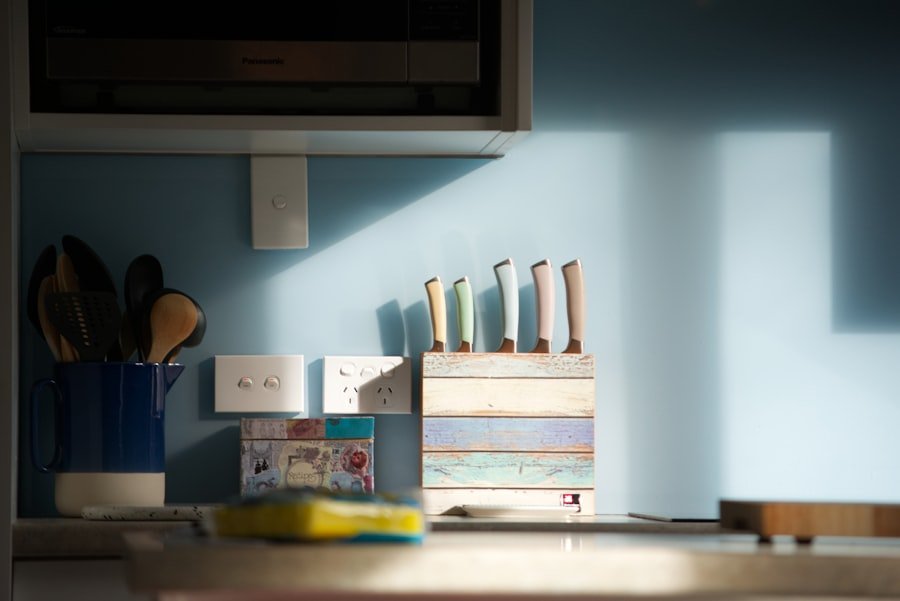
In addition to pantry organization, consider optimizing cabinet space with tiered organizers or pull-out shelves that make it easier to access pots, pans, and dishes. Drawer dividers can help keep utensils sorted and easy to find, while magnetic strips can hold knives securely on the wall, freeing up counter space. By implementing these organizational strategies in the kitchen, you can create an efficient workspace that enhances your culinary experience.
Maximizing Space in Small Living Areas
Living in small spaces presents unique challenges when it comes to organization and functionality. However, with thoughtful planning and creative solutions, it’s possible to maximize every square inch effectively. One approach is to invest in furniture that serves multiple purposes; for example, a sofa bed can provide seating during the day and transform into a sleeping area at night for guests.
Similarly, nesting tables can be tucked away when not in use but easily pulled out when entertaining. Vertical storage solutions are particularly beneficial in small living areas. Wall-mounted shelves can display books or decorative items without taking up floor space, while tall bookcases draw the eye upward, creating an illusion of height in the room.
Additionally, consider using hooks or pegboards for hanging items like bicycles or tools in entryways or garages, freeing up valuable floor space for other uses. By embracing these strategies, small living areas can feel more spacious and organized.
Establishing a Cleaning Schedule for a Neat Home
A cleaning schedule is an invaluable tool for maintaining an organized home without feeling overwhelmed by chores. By breaking down tasks into manageable segments throughout the week, you can ensure that every area of your home receives attention without dedicating an entire day to cleaning. For instance, designate specific days for different tasks: Mondays could be for dusting and vacuuming common areas, while Tuesdays might focus on bathrooms.
Incorporating daily habits into your cleaning schedule can also help maintain order with minimal effort. Simple actions like wiping down kitchen counters after meals or quickly tidying up before bed can prevent messes from accumulating over time. Additionally, consider involving family members in the cleaning routine by assigning age-appropriate tasks to children; this not only teaches responsibility but also fosters teamwork in maintaining a tidy home.
Maintaining an Organized Home with Minimal Effort
Once you’ve established an organized home, maintaining that order requires minimal effort if approached strategically. One effective method is to adopt the habit of “putting things back where they belong” immediately after use. This simple practice prevents clutter from building up and ensures that everything has its designated spot within your home.
Another way to maintain organization is through regular decluttering sessions—perhaps once every season—where you reassess your belongings and remove items that are no longer needed or used. This proactive approach helps prevent accumulation over time and keeps your living space feeling fresh and organized. By integrating these habits into your daily life, you can enjoy a tidy home with minimal ongoing effort, allowing you to focus on what truly matters: enjoying your space and spending time with loved ones.
FAQs
What are some quick home organization tips to incorporate into daily life?
Some quick home organization tips include decluttering regularly, using storage bins or baskets, designating specific places for commonly used items, and tidying up for 5-10 minutes each day to maintain order.
How can I make home organization a daily habit?
To make home organization a daily habit, set aside a consistent time each day for tidying, break tasks into small manageable steps, use reminders or checklists, and focus on one area at a time to avoid feeling overwhelmed.
What are the benefits of quick daily home organization?
Quick daily home organization helps reduce clutter, saves time searching for items, creates a more relaxing living environment, and prevents the buildup of messes that require extensive cleaning later.
Do I need special tools or products to organize my home quickly?
No special tools are necessary, but using simple items like storage bins, drawer dividers, hooks, and labels can make organizing more efficient and help maintain order.
How much time should I spend on daily home organization?
Spending as little as 5 to 15 minutes each day on organizing tasks can make a significant difference in maintaining a tidy home without feeling time-consuming.
Can quick home organization help reduce stress?
Yes, maintaining an organized living space can reduce stress by creating a calm environment and minimizing the frustration of misplaced items or clutter.
Is it better to organize the entire home at once or focus on small areas daily?
Focusing on small areas daily is generally more manageable and sustainable, helping to build consistent habits without becoming overwhelmed.
How do I stay motivated to keep up with daily home organization?
Staying motivated can be achieved by setting achievable goals, celebrating small successes, involving family members, and reminding yourself of the benefits of an organized home.