
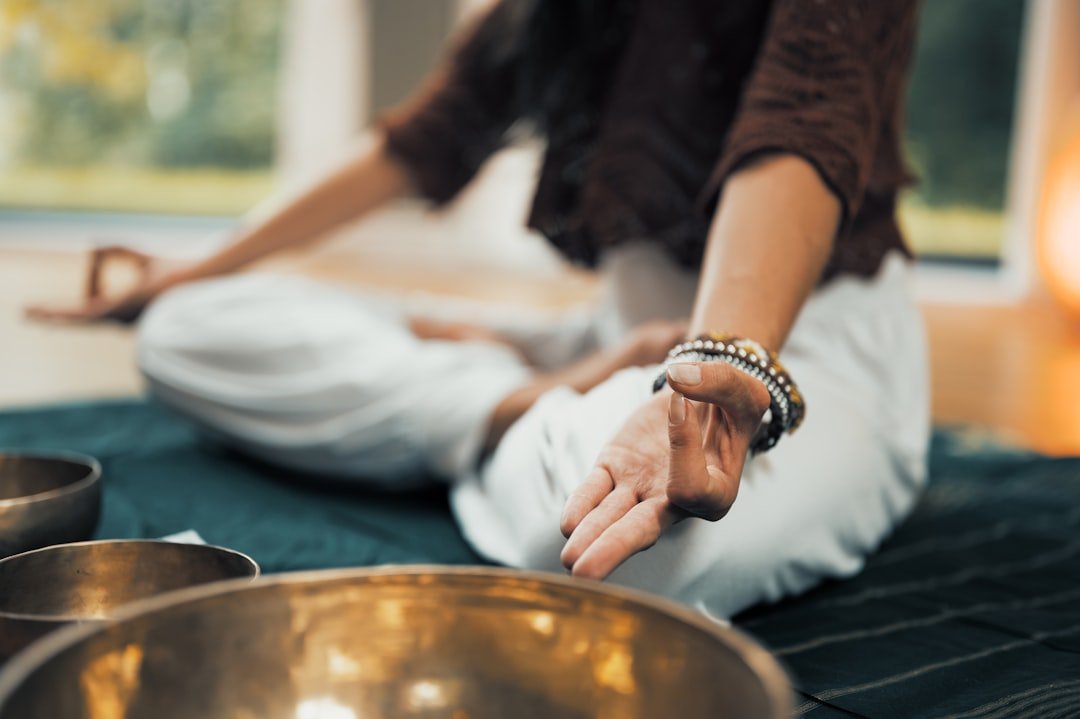
Self-care is frequently misunderstood as a luxury or indulgence, but it is actually an essential component of maintaining overall health and well-being. The term refers to a broad range of activities and practices that people use to support their physical, emotional, and mental health. In modern life, where demands on our time and energy are constant, self-care functions as an important balance, helping us recover and restore our energy levels.
It is not simply about treating oneself to comfort; it is about identifying personal needs and taking deliberate action to address them. This distinction matters significantly, as ignoring self-care can result in burnout, increased stress, and deterioration of both physical and mental health. Additionally, self-care contributes substantially to improved productivity and creativity.
When people make their well-being a priority, they typically experience greater concentration and involvement in their work and daily activities. For example, adequate rest enables the mind to function more effectively in problem-solving and creative thinking. In contrast, when self-care is neglected, accumulated stress can impair performance and create a pattern of ongoing fatigue.
By incorporating self-care practices into daily life, people can build resilience, which allows them to manage difficulties more effectively and maintain a healthier perspective on their circumstances.
Identifying Quick Self-Care Rituals
In the hustle and bustle of modern life, finding time for extensive self-care routines can be challenging. However, quick self-care rituals can be seamlessly integrated into even the busiest schedules. These rituals do not require significant time commitments but can yield substantial benefits.
For example, taking just five minutes to practice deep breathing exercises can significantly reduce stress levels and promote relaxation. This simple act allows individuals to center themselves amidst chaos, providing a moment of clarity and calm. Another effective quick self-care ritual is engaging in mindful movement.
This could be as simple as stretching or taking a brisk walk during a lunch break. Such activities not only invigorate the body but also enhance mental clarity. Mindful movement encourages individuals to connect with their bodies, fostering a sense of awareness and presence that can be incredibly grounding.
Additionally, incorporating short moments of gratitude into one’s day—such as jotting down three things one is thankful for—can shift focus from stressors to positive aspects of life, promoting emotional well-being.
Creating a Self-Care Routine
Establishing a self-care routine is essential for ensuring that self-care becomes an integral part of daily life rather than an afterthought. A well-structured routine allows individuals to allocate specific times for self-care activities, making it easier to prioritize their well-being amidst other responsibilities. To create an effective self-care routine, one must first assess their personal needs and preferences.
This involves reflecting on what activities bring joy and relaxation, whether it be reading, meditating, or engaging in creative pursuits. Once these preferences are identified, individuals can begin to design a routine that incorporates these activities into their daily lives. For instance, someone who finds solace in nature might schedule regular walks in the park or gardening sessions.
Alternatively, those who enjoy creative expression could set aside time for painting or writing. The key is to ensure that the routine is realistic and flexible enough to accommodate life’s unpredictability. By committing to this routine, individuals can cultivate a sense of stability and predictability in their lives, which can be particularly beneficial during times of stress.
Incorporating Self-Care into Daily Activities
Incorporating self-care into daily activities can transform mundane tasks into opportunities for nurturing oneself. This approach emphasizes the idea that self-care does not always require dedicated time; rather, it can be woven into the fabric of everyday life. For example, while preparing meals, individuals can practice mindfulness by focusing on the colors, textures, and aromas of the ingredients.
This not only enhances the cooking experience but also promotes a sense of gratitude for nourishing one’s body. Another way to integrate self-care into daily routines is by transforming commutes or travel time into moments of reflection or relaxation. Listening to uplifting podcasts or audiobooks during these periods can provide inspiration and motivation while also serving as a form of mental escape from daily stresses.
Additionally, incorporating small acts of kindness towards oneself—such as taking breaks to stretch or enjoying a favorite snack—can significantly enhance overall well-being throughout the day.
Finding Time for Self-Care
| Self-Care Ritual | Time Required | Benefits | Suggested Time of Day | Tips for Consistency |
|---|---|---|---|---|
| Mindful Breathing (5 minutes) | 5 minutes | Reduces stress, improves focus | Morning or mid-afternoon | Set a daily alarm reminder |
| Gratitude Journaling | 5-10 minutes | Boosts mood, increases positivity | Evening before bed | Keep journal by your bedside |
| Stretching Routine | 5-10 minutes | Improves flexibility, reduces tension | Morning or after work | Incorporate into daily routine |
| Hydration Break | 2 minutes | Enhances energy, supports health | Throughout the day | Use a water bottle with time markers |
| Quick Walk Outside | 10-15 minutes | Boosts mood, increases vitamin D | Lunch break or afternoon | Schedule walk into calendar |
Finding time for self-care often feels like an insurmountable challenge in today’s fast-paced world. However, it is essential to recognize that self-care does not always require large blocks of time; even small increments can be beneficial. One effective strategy for carving out time for self-care is to schedule it just as one would any other important appointment.
By blocking off specific times in a calendar for self-care activities—whether it’s a short meditation session or reading a few pages of a book—individuals can prioritize their well-being without feeling guilty about taking time for themselves. Additionally, it may be helpful to evaluate existing commitments and identify areas where time can be reclaimed. This could involve delegating tasks at work or home or saying no to obligations that do not align with personal values or priorities.
By consciously making space for self-care in one’s life, individuals can foster a healthier relationship with themselves and create an environment where well-being is valued and prioritized.
Making Self-Care a Priority

Making self-care a priority requires a shift in mindset that acknowledges its importance in achieving overall health and happiness. Many individuals struggle with feelings of guilt when taking time for themselves, often viewing it as selfishness rather than an essential component of well-being. To combat this mindset, it is crucial to recognize that prioritizing self-care ultimately benefits not only oneself but also those around them.
When individuals are well-rested and emotionally balanced, they are better equipped to support family members, friends, and colleagues. To reinforce the importance of self-care, individuals can create visual reminders or affirmations that emphasize its value. For instance, placing motivational quotes around one’s living space or setting reminders on digital devices can serve as constant nudges to engage in self-care practices.
Additionally, sharing self-care goals with friends or family members can foster accountability and create a supportive environment where everyone encourages one another to prioritize their well-being.
Adapting Self-Care Rituals to Your Lifestyle
Self-care is not a one-size-fits-all approach; it must be tailored to fit individual lifestyles and preferences. What works for one person may not resonate with another, making it essential to explore various rituals and practices until finding what feels right. For instance, someone with a busy schedule may prefer quick mindfulness exercises or short bursts of physical activity throughout the day rather than lengthy yoga sessions or spa days.
Moreover, adapting self-care rituals to align with personal interests can enhance their effectiveness. For example, an individual who enjoys cooking might find joy in experimenting with new recipes as a form of self-care, while another person may prefer engaging in artistic endeavors like painting or crafting. By personalizing self-care practices to reflect individual passions and lifestyles, individuals are more likely to remain committed to their routines and experience lasting benefits.
Sustaining a Self-Care Practice
Sustaining a self-care practice requires ongoing commitment and adaptability as life circumstances change. It is essential to regularly assess one’s self-care routine and make adjustments based on evolving needs and priorities. For instance, during particularly stressful periods—such as during major life transitions or increased work demands—individuals may need to intensify their self-care efforts by incorporating additional practices or extending the duration of existing ones.
Additionally, seeking support from others can play a significant role in sustaining self-care practices. Engaging with friends or joining community groups focused on wellness can provide motivation and encouragement while also fostering connections with like-minded individuals. Sharing experiences and challenges related to self-care can create a sense of camaraderie that reinforces the importance of prioritizing well-being over time.
Ultimately, sustaining a self-care practice is about cultivating a mindset that values personal well-being as an ongoing journey rather than a destination. By embracing flexibility and remaining open to new experiences, individuals can continue to nurture their physical, emotional, and mental health throughout various stages of life.
FAQs
What are quick self-care rituals?
Quick self-care rituals are simple, brief activities or practices that individuals can incorporate into their daily routine to promote physical, mental, and emotional well-being. These rituals typically take only a few minutes and are designed to help reduce stress, increase mindfulness, and improve overall health.
Why is it important to include self-care rituals in your day?
Including self-care rituals in your day helps maintain balance, reduce stress, boost mood, and improve productivity. Regular self-care supports mental clarity, emotional resilience, and physical health, making it easier to manage daily challenges and maintain a positive outlook.
How can I make self-care rituals a consistent part of my daily routine?
To make self-care rituals consistent, start by identifying simple activities you enjoy and can easily fit into your schedule. Set specific times for these rituals, use reminders or alarms, and treat them as non-negotiable appointments. Gradually build the habit by starting small and increasing the frequency or duration as it becomes part of your routine.
What are some examples of quick self-care rituals?
Examples of quick self-care rituals include deep breathing exercises, stretching, drinking a glass of water mindfully, journaling for a few minutes, practicing gratitude, taking a short walk, or listening to calming music. These activities can be done in 5 to 10 minutes and provide immediate benefits.
Can quick self-care rituals improve mental health?
Yes, quick self-care rituals can improve mental health by reducing stress, enhancing mindfulness, and promoting relaxation. Regular practice can help manage anxiety, improve mood, and increase emotional resilience.
Do I need special tools or equipment for quick self-care rituals?
No special tools or equipment are necessary for most quick self-care rituals. Many practices, such as deep breathing, stretching, or mindfulness, require only your attention and a few minutes of time. However, some people may choose to use items like journals, essential oils, or meditation apps to enhance their experience.
How long should a quick self-care ritual take?
A quick self-care ritual typically takes between 5 to 15 minutes. The key is to choose activities that fit easily into your schedule without causing additional stress or time pressure.
Can self-care rituals be personalized?
Absolutely. Self-care rituals should be tailored to your individual preferences, needs, and lifestyle. What works for one person may not work for another, so it’s important to experiment and find rituals that resonate with you and provide the most benefit.