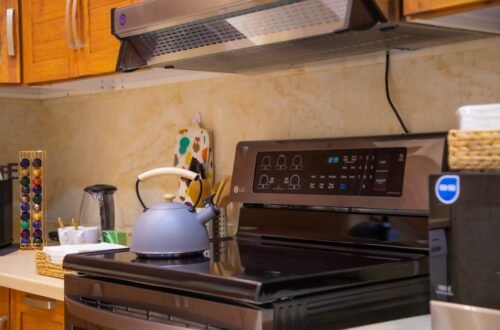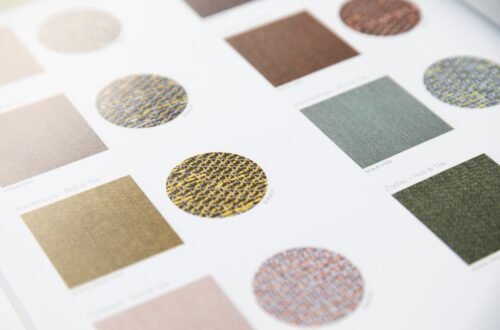
When creating a functional and aesthetically pleasing environment, begin by thoroughly assessing the available space. This assessment should include measuring room dimensions, evaluating the layout, identifying natural light sources, and noting any architectural features that may affect design decisions. For example, rooms with large windows benefit from lighter colors and airy furnishings that enhance natural light, while smaller or enclosed spaces require strategic placement of mirrors and lighter color schemes to create a sense of openness.
Beyond physical measurements, consider how the space will be used. Different purposes require different design approaches. A home office needs a dedicated area for a desk and chair with minimal distractions, while a creative studio requires ample floor space for movement and work.
A multi-functional area demands flexible furniture and zoning strategies. Clearly defining the intended use of the space enables informed decisions about layout and design that optimize both functionality and comfort.
Choosing the Right Equipment
Once the available space has been assessed, the next step is selecting the right equipment that aligns with the intended use of the area. This choice is pivotal, as the equipment not only needs to fit within the spatial constraints but also must cater to the specific activities that will take place there. For instance, in a home office setting, investing in an ergonomic chair and a spacious desk can significantly enhance productivity and comfort during long working hours.
The desk should ideally accommodate all necessary technology, such as computers and printers, while also allowing for adequate workspace for writing or other tasks. In contrast, if the space is designated for creative endeavors, such as painting or crafting, the equipment selection will differ markedly. Here, one might prioritize sturdy tables that can withstand spills and messes, along with storage solutions for art supplies.
Additionally, tools like easels or drafting tables can be essential for artists who require flexibility in their work surfaces. The key is to ensure that all equipment not only fits well within the space but also enhances the overall functionality and enjoyment of the area.
Arranging the Furniture
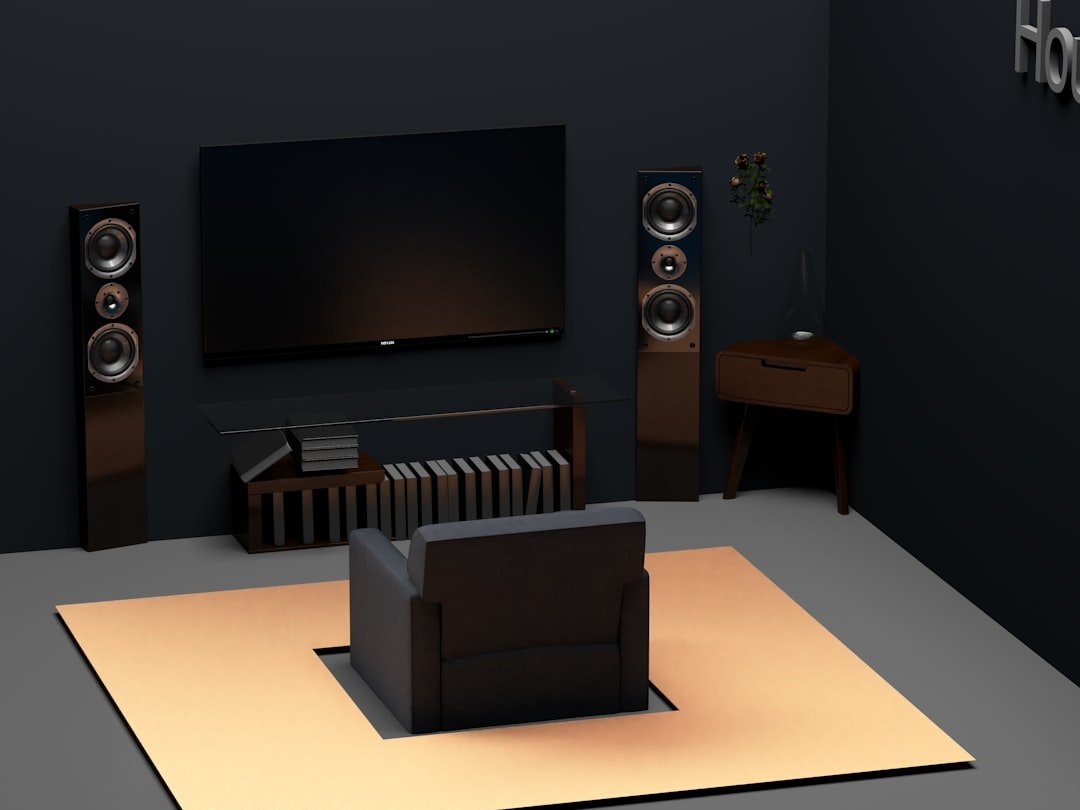
With the right equipment in hand, attention must turn to arranging the furniture in a way that promotes both flow and usability. The arrangement should facilitate movement throughout the space while also creating distinct zones for different activities. For example, in a home office, positioning the desk near a window can provide natural light and inspiration, while ensuring that there is enough room for a filing cabinet or bookshelves nearby can help keep essential materials organized and accessible.
Moreover, considering the scale and proportion of furniture is vital in achieving a harmonious arrangement. Oversized furniture in a small room can create a cramped feeling, while too many small pieces can lead to a disjointed look. A balanced approach often involves mixing different sizes and shapes to create visual interest while maintaining functionality.
For instance, pairing a large desk with sleek shelving units can provide both storage and an open feel. Additionally, incorporating flexible seating options, such as poufs or folding chairs, can allow for adaptability in social or collaborative settings.
Utilizing Storage Solutions
Effective storage solutions are essential in maintaining an organized and clutter-free environment. In any space, especially those with limited square footage, maximizing vertical space can be particularly beneficial. Wall-mounted shelves or cabinets can provide ample storage without consuming valuable floor space.
This approach not only keeps items out of sight but also draws the eye upward, creating an illusion of height in the room. In addition to vertical storage, incorporating multifunctional furniture can significantly enhance storage capabilities. For example, ottomans with hidden compartments or coffee tables with drawers can serve dual purposes—providing seating or surface area while also offering storage for items like books or remote controls.
Furthermore, utilizing decorative baskets or bins can help keep smaller items organized while adding texture and style to the decor. By thoughtfully integrating these storage solutions, one can create an environment that feels both spacious and inviting.
Incorporating Soundproofing
| Aspect | Recommendation | Metric/Specification | Notes |
|---|---|---|---|
| Room Size | Choose a compact room or corner | Minimum 8×10 feet | Smaller rooms require careful speaker placement |
| Screen Type | Use a projector with retractable screen or large TV | Screen size: 80-100 inches diagonal | Projectors save space when screen is retractable |
| Seating | Use space-saving seating like loveseats or recliners | Seating depth: 30-36 inches | Consider multi-purpose furniture with storage |
| Sound System | Compact surround sound or soundbar with subwoofer | 5.1 channel or soundbar with wireless subwoofer | Wireless speakers reduce clutter |
| Lighting | Install dimmable LED lights or smart lighting | Lighting level: 50-150 lux during viewing | Adjustable lighting enhances viewing experience |
| Storage | Use wall-mounted shelves or cabinets | Storage volume: 5-10 cubic feet | Keep media and equipment organized and accessible |
| Acoustic Treatment | Use foam panels or heavy curtains | Cover 20-30% of wall surface | Improves sound quality in small rooms |
| Cable Management | Use cable raceways or in-wall wiring | All cables hidden or bundled | Reduces clutter and improves safety |
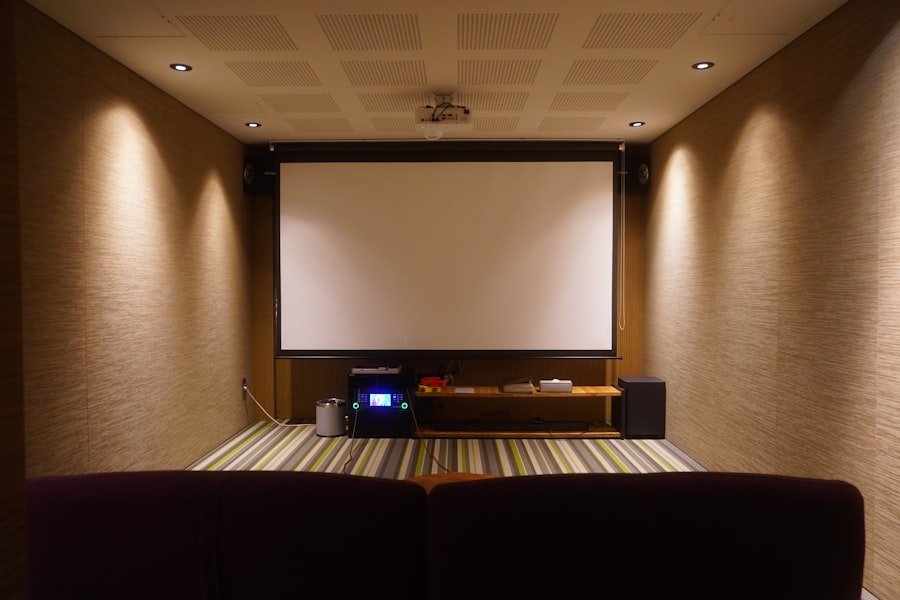
In many environments, particularly those intended for work or creative pursuits, soundproofing becomes an important consideration. Excessive noise can be distracting and detrimental to productivity; therefore, implementing soundproofing measures can significantly enhance the functionality of a space. One effective method is to use acoustic panels on walls or ceilings.
These panels are designed to absorb sound waves and reduce echo, creating a quieter atmosphere conducive to focus. Additionally, incorporating soft furnishings such as rugs, curtains, and upholstered furniture can further aid in sound absorption. Thick carpets can dampen foot traffic noise while heavy drapes can block out external sounds from outside.
For those who are particularly sensitive to noise or who live in bustling urban areas, investing in double-glazed windows may also be worthwhile. These windows provide an additional barrier against outside noise while improving energy efficiency. By prioritizing soundproofing measures, one can cultivate an environment that fosters concentration and creativity.
Selecting the Right Lighting
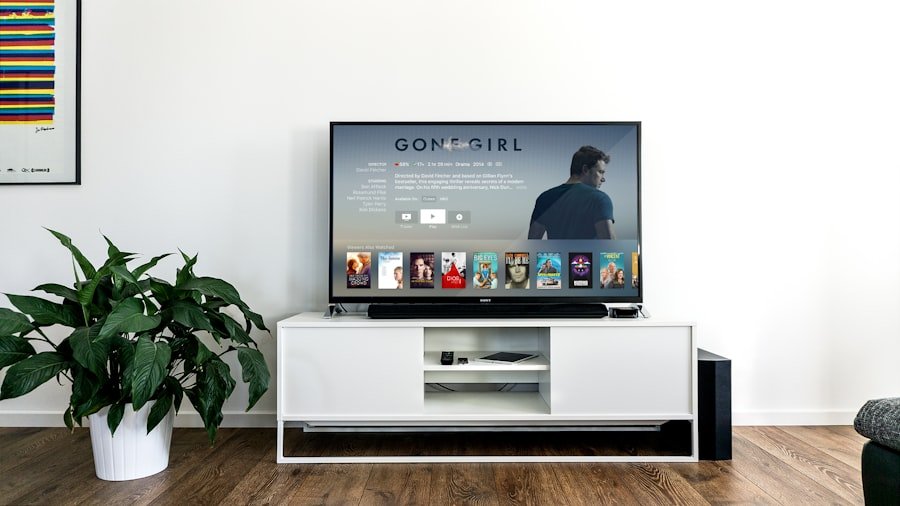
Lighting plays a crucial role in shaping the ambiance of any space. It not only affects how colors are perceived but also influences mood and productivity levels. When selecting lighting fixtures, it is essential to consider both natural and artificial light sources.
Maximizing natural light through window treatments that allow for flexibility—such as sheer curtains—can create an inviting atmosphere during daylight hours. For artificial lighting, layering different types of fixtures is key to achieving a well-lit environment. This includes ambient lighting for general illumination, task lighting for specific activities like reading or working at a desk, and accent lighting to highlight artwork or architectural features.
Dimmable lights can also provide versatility; they allow users to adjust brightness levels according to time of day or activity type. By thoughtfully selecting and positioning lighting fixtures, one can create a dynamic environment that adapts to various needs throughout the day.
Adding Personal Touches
Personal touches are what transform a generic space into a unique reflection of individual style and personality. Incorporating elements that resonate personally—such as artwork, photographs, or souvenirs from travels—can infuse warmth and character into an environment. For instance, displaying framed family photos on shelves or walls not only adds visual interest but also creates an emotional connection to the space.
Additionally, integrating plants into the decor can enhance both aesthetics and air quality. Houseplants bring life into a room and can be chosen based on personal preferences or care requirements. Succulents may appeal to those who prefer low-maintenance options, while flowering plants can add vibrant color and fragrance.
Furthermore, textiles such as throw pillows or blankets in favorite colors or patterns can provide comfort while reinforcing personal style. By thoughtfully curating these personal touches, one can create an inviting atmosphere that feels distinctly their own.
Maintaining a Functional Layout
Finally, maintaining a functional layout is essential for ensuring that the space continues to meet its intended purpose over time. Regularly reassessing how the area is used can reveal opportunities for improvement or reorganization. For instance, if certain furniture pieces are rarely used or if clutter begins to accumulate in specific areas, it may be time to rethink their placement or even consider removing them altogether.
Moreover, establishing routines for tidying up and organizing can help maintain order within the space. Designating specific areas for items based on their frequency of use ensures that everything has its place and minimizes clutter buildup. Additionally, being mindful of seasonal changes—such as swapping out decor or adjusting furniture arrangements—can keep the environment feeling fresh and functional throughout the year.
By prioritizing these maintenance strategies, one can ensure that their space remains not only beautiful but also practical for everyday living.
FAQs
What are the key considerations when building a home theater in limited space?
When building a home theater in limited space, key considerations include selecting compact and multi-functional furniture, optimizing speaker placement for sound quality, choosing a screen size appropriate for the room dimensions, and managing lighting to reduce glare and enhance viewing experience.
How can I optimize sound quality in a small home theater room?
To optimize sound quality in a small home theater, use strategically placed speakers such as compact bookshelf or in-wall speakers, incorporate sound-absorbing materials like acoustic panels or heavy curtains, and consider a soundbar or a compact surround sound system designed for small spaces.
What type of screen is best for a limited space home theater?
For limited space, a fixed-frame projector screen or a high-quality large flat-screen TV is ideal. The screen size should be proportional to the room size, typically allowing for a viewing distance of about 1.5 to 2.5 times the diagonal screen size.
Can I use a projector in a small home theater room?
Yes, projectors can be used in small home theater rooms, but it’s important to choose a short-throw or ultra-short-throw projector to minimize the distance between the projector and the screen. Proper ambient light control is also essential for clear image quality.
How do I manage lighting in a small home theater?
Manage lighting by using blackout curtains or shades to block external light, installing dimmable LED lights, and avoiding direct light on the screen. Indirect or recessed lighting can create a comfortable viewing environment without causing glare.
What seating options work best in limited space home theaters?
In limited space, consider space-saving seating such as compact recliners, loveseats, or modular seating that can be rearranged. Multi-functional furniture like storage ottomans or foldable chairs can also help maximize space.
Is it necessary to soundproof a small home theater room?
While not always necessary, soundproofing can enhance the experience by reducing outside noise and preventing sound from disturbing other areas. Simple measures include sealing gaps, using thick curtains, and adding rugs or carpets to absorb sound.
How can I make the most of limited space without compromising the home theater experience?
Maximize limited space by carefully planning the layout, choosing compact and multi-purpose equipment, optimizing acoustics and lighting, and selecting appropriately sized screens and seating. Prioritizing essential components and minimizing clutter also helps maintain functionality and comfort.