The Philippines comprises an archipelago of over 7,000 islands and is recognized for its beaches, cultural diversity, and biodiversity. While popular destinations such as Boracay and Palawan attract significant tourist traffic, numerous lesser-known locations throughout the country offer distinctive natural and cultural experiences. These destinations remain relatively undiscovered by mainstream tourism, yet they provide authentic insights into the Philippines’ varied landscapes and ecosystems.
Notable features include secluded beaches, cave systems, and lagoons that reflect the country’s geological and ecological diversity. Siquijor Island represents one such destination. The island is historically associated with traditional healing practices and local folklore.
Siquijor features coastal areas and forested regions, with cultural traditions that remain integral to community life. The province of Samar contains Sohoton Natural Bridge National Park, which displays limestone geological formations, forest coverage, and cave systems suitable for exploration. These lesser-known destinations offer both scenic value and opportunities to understand the Philippines’ cultural and ecological characteristics.
Exploring the Enchanting Caves
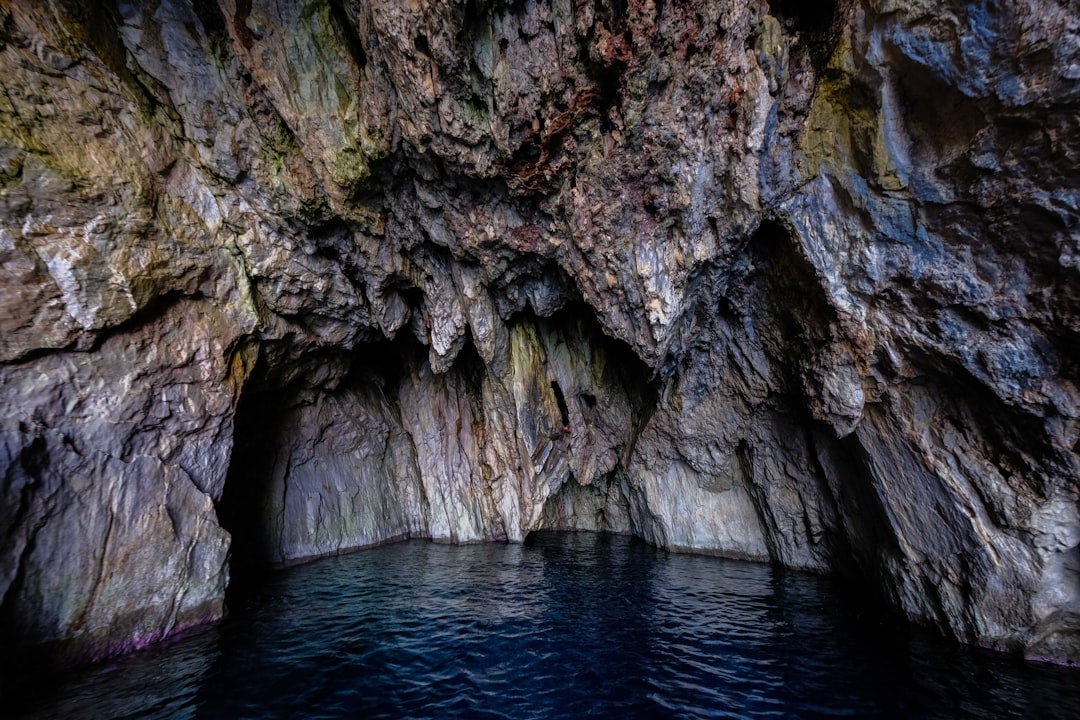
The Philippines is home to an extensive network of caves that are as diverse as they are captivating. These subterranean wonders are formed through millions of years of geological processes, resulting in intricate formations of stalactites and stalagmites. One of the most famous cave systems is the Puerto Princesa Subterranean River National Park in Palawan, a UNESCO World Heritage Site.
This remarkable cave features a river that flows directly into the sea, creating a unique ecosystem that supports a variety of flora and fauna. Visitors can take guided boat tours through the cave, marveling at its stunning rock formations and the diverse wildlife that inhabits it. Beyond Puerto Princesa, there are numerous other caves worth exploring.
The Callao Cave in Cagayan Valley is another notable example, known for its impressive chambers and historical significance. It is believed to have been inhabited by early humans, with archaeological findings suggesting that it was a site for ancient rituals. The cave’s large chambers are adorned with natural sculptures created by centuries of erosion, making it a fascinating destination for both history enthusiasts and nature lovers alike.
Each cave in the Philippines tells a story, revealing not only the geological history of the region but also the cultural narratives that have shaped the lives of its inhabitants.
A Glimpse into the Mystical Lagoons
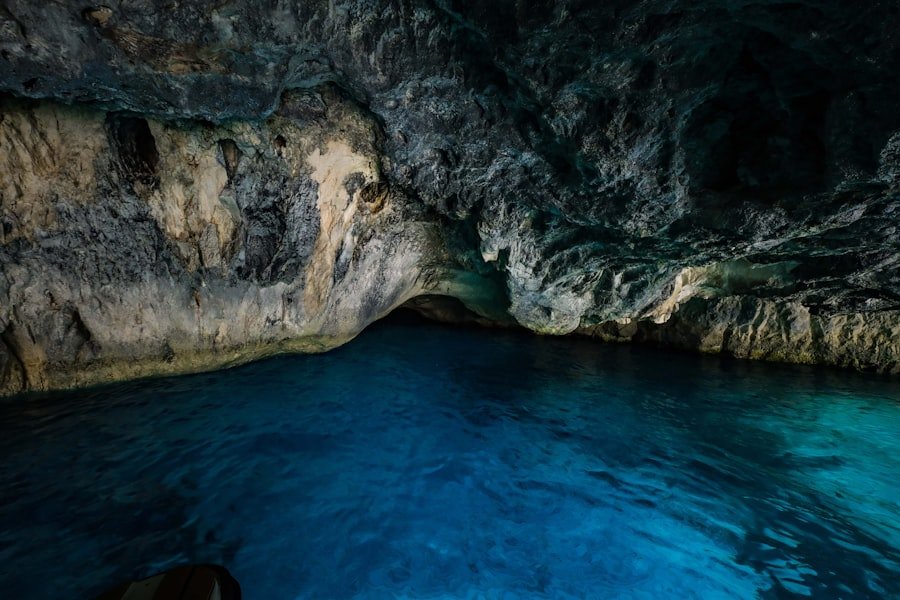
Lagoons in the Philippines are often characterized by their crystal-clear waters, surrounded by towering limestone cliffs and lush vegetation. These enchanting bodies of water are not just visually stunning; they also hold significant ecological importance. One of the most famous lagoons is Kayangan Lake in Coron, Palawan, often hailed as one of the cleanest lakes in Asia.
The lake is surrounded by steep cliffs and offers breathtaking views from its vantage points. Visitors can swim in its turquoise waters or hike to nearby viewpoints for panoramic vistas that showcase the beauty of Coron’s landscape. Another captivating lagoon is the Hidden Lagoon in El Nido, which is accessible only through a narrow entrance between towering rock formations.
This secluded spot offers a sense of tranquility and isolation, making it a perfect escape for those seeking solace in nature. The vibrant marine life found in these lagoons also makes them popular spots for snorkeling and diving. Colorful coral reefs teem with fish, providing an underwater paradise for adventurers.
The lagoons serve as vital habitats for various marine species, highlighting the importance of preserving these natural wonders for future generations.
The Breathtaking Beauty of Underground Rivers
Underground rivers are among the most awe-inspiring natural phenomena found in the Philippines. These rivers flow through caves and tunnels, creating mesmerizing landscapes that captivate visitors. The Puerto Princesa Subterranean River is perhaps the most famous example, stretching over 24 kilometers and featuring impressive rock formations along its course.
The river’s journey through the cave system showcases nature’s artistry, with stalactites and stalagmites forming intricate patterns that resemble sculptures. In addition to Puerto Princesa, other regions boast their own underground rivers worth exploring. The Sumaguing Cave in Sagada is known for its stunning limestone formations and underground river system that flows through its chambers.
Adventurers can embark on guided spelunking tours to navigate through this cave’s winding passages while marveling at its natural beauty. These underground rivers not only provide thrilling experiences for visitors but also play crucial roles in local ecosystems, supporting diverse wildlife and contributing to the region’s hydrology.
Uncovering the Rich History and Culture of the Caves
| Location | Type | Length/Size | Accessibility | Unique Features | Recommended Activity |
|---|---|---|---|---|---|
| Puerto Princesa Subterranean River | Cave | 8.2 km underground river | Guided tours available | Longest navigable underground river | Boat tour, spelunking |
| Hinagdanan Cave, Bohol | Cave | Small cave with lagoon | Easy access, stairs | Clear blue lagoon inside cave | Swimming, photography |
| Enchanted River, Surigao del Sur | Lagoon | Approx. 150 meters long | Public access with entrance fee | Crystal-clear blue water, mysterious depth | Swimming, snorkeling |
| Tabon Caves, Palawan | Cave | Multiple caves over 10 km area | Requires permit and guide | Archaeological site with ancient human remains | Exploration, cultural tours |
| Kayangan Lake, Coron | Lagoon | Small freshwater lake | Accessible by boat and short hike | Known as the cleanest lake in the Philippines | Swimming, snorkeling |
The caves of the Philippines are not merely geological formations; they are repositories of history and culture that reflect the lives of those who came before us. Many caves have served as shelters for ancient civilizations, providing insights into early human life in the archipelago. For instance, the Tabon Caves in Palawan are often referred to as the “Cradle of Philippine Civilization.” Archaeological excavations have uncovered artifacts dating back thousands of years, including tools and burial sites that offer glimpses into the lives of early Filipinos.
Moreover, caves have played significant roles in local folklore and spirituality. Many indigenous communities regard certain caves as sacred spaces where rituals are performed to honor ancestral spirits or seek guidance from deities. The stories passed down through generations often intertwine with the natural features of these caves, creating a rich tapestry of cultural heritage that enhances their significance.
Exploring these caves allows visitors to connect with the past while appreciating the enduring traditions that continue to shape contemporary Filipino culture.
The Thrill of Adventure: Spelunking and Cave Diving
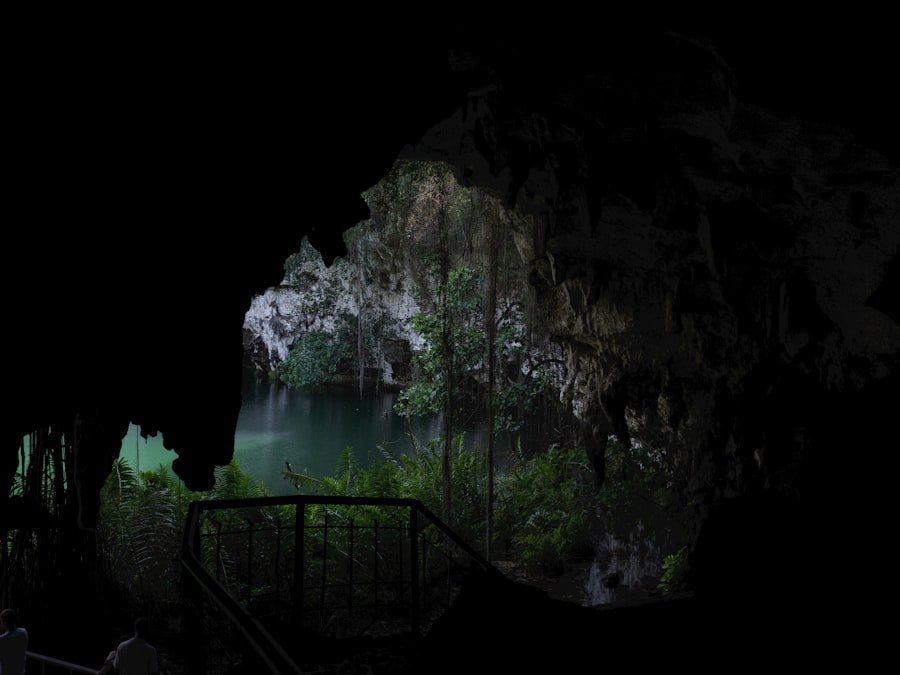
For adventure seekers, spelunking and cave diving offer exhilarating opportunities to explore the hidden depths of the Philippines’ caves and underwater systems. Spelunking involves navigating through intricate cave systems on foot, often requiring climbing, crawling, and sometimes even rappelling down steep rock faces. The experience can be both physically challenging and mentally rewarding as explorers uncover hidden chambers adorned with stunning rock formations.
Cave diving takes this adventure to another level by allowing divers to explore submerged passages within underwater caves. The Philippines boasts some of the best cave diving spots in Southeast Asia, with locations like the Taal Volcano’s underwater caves offering unique diving experiences. Divers can encounter fascinating marine life while navigating through submerged tunnels, making it an unforgettable adventure for those who seek both thrill and beauty beneath the surface.
Conservation Efforts to Protect these Natural Wonders
As awareness grows regarding the ecological significance of caves and lagoons in the Philippines, conservation efforts have become increasingly vital to protect these natural wonders from degradation and over-exploitation. Organizations and local governments are working together to implement sustainable tourism practices that minimize environmental impact while promoting responsible exploration. Initiatives include establishing guidelines for visitors to follow when exploring sensitive areas, such as limiting group sizes and ensuring proper waste disposal.
Additionally, education plays a crucial role in conservation efforts. Local communities are often engaged in awareness campaigns that highlight the importance of preserving their natural heritage for future generations. By fostering a sense of stewardship among residents and visitors alike, these initiatives aim to create a culture of respect for nature that transcends mere tourism.
Protecting these hidden gems not only safeguards biodiversity but also ensures that future generations can experience their beauty and wonder.
Tips for Visiting and Exploring the Secret Caves and Lagoons
When planning a visit to explore the hidden caves and lagoons of the Philippines, preparation is key to ensuring a safe and enjoyable experience. First and foremost, it is essential to research each destination thoroughly to understand its unique features and any specific regulations or guidelines in place for visitors. Many caves require guided tours due to safety concerns or conservation efforts; therefore, booking in advance is advisable.
Packing appropriate gear is also crucial for exploring these natural wonders. Sturdy footwear is essential for navigating rocky terrains within caves or along lagoon shores. Additionally, bringing along snorkeling gear can enhance your experience in lagoons teeming with marine life.
It’s also wise to carry sufficient water and snacks, especially if you plan on spending extended periods exploring remote areas. Lastly, embracing a respectful attitude towards nature is paramount when visiting these hidden gems. Adhering to Leave No Trace principles ensures that these beautiful locations remain pristine for future visitors while allowing you to fully appreciate their splendor without causing harm to their delicate ecosystems.
By following these tips, adventurers can embark on unforgettable journeys through some of the Philippines’ most enchanting landscapes while contributing to their preservation for years to come.
FAQs
What are some famous hidden caves in the Philippines?
Some well-known hidden caves in the Philippines include the Callao Cave in Cagayan, the Tabon Caves in Palawan, and the Hinagdanan Cave in Bohol. These caves are famous for their unique rock formations and historical significance.
Where can I find lagoons in the Philippines?
The Philippines is home to many beautiful lagoons, with some of the most famous located in Palawan, such as the Big Lagoon and Small Lagoon in El Nido, and Kayangan Lake in Coron. These lagoons are known for their crystal-clear waters and stunning limestone cliffs.
Are the hidden caves and lagoons accessible to tourists?
Yes, many hidden caves and lagoons in the Philippines are accessible to tourists. However, accessibility may vary depending on the location, weather conditions, and local regulations. It is advisable to visit with a guide or tour operator for safety and to ensure responsible tourism.
What activities can I do when exploring caves and lagoons in the Philippines?
Visitors can enjoy activities such as spelunking (cave exploration), swimming, snorkeling, kayaking, and photography. Some caves also offer opportunities to see unique wildlife and geological formations.
Is it safe to explore hidden caves and lagoons in the Philippines?
Exploring caves and lagoons can be safe if proper precautions are taken. It is recommended to go with experienced guides, wear appropriate gear, and follow safety guidelines. Some caves may have slippery surfaces or require swimming, so physical fitness and caution are important.
What is the best time of year to visit caves and lagoons in the Philippines?
The best time to visit is during the dry season, typically from November to May, when weather conditions are favorable for outdoor activities. The rainy season may cause flooding in caves and rough waters in lagoons, making exploration dangerous.
Are there any environmental concerns when visiting caves and lagoons?
Yes, these natural sites are sensitive ecosystems. Visitors should avoid littering, touching or damaging rock formations, and disturbing wildlife. Responsible tourism practices help preserve these natural wonders for future generations.
Do I need any special permits to explore caves and lagoons in the Philippines?
Some caves and lagoons may require permits or entrance fees, especially those located within protected areas or national parks. It is best to check with local authorities or tour operators before planning your visit.