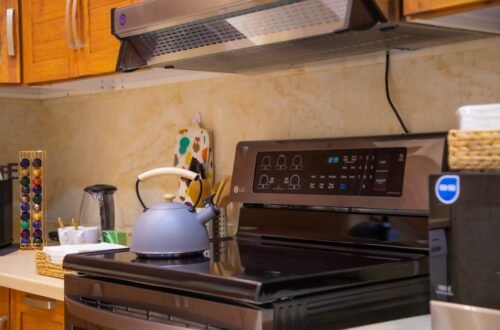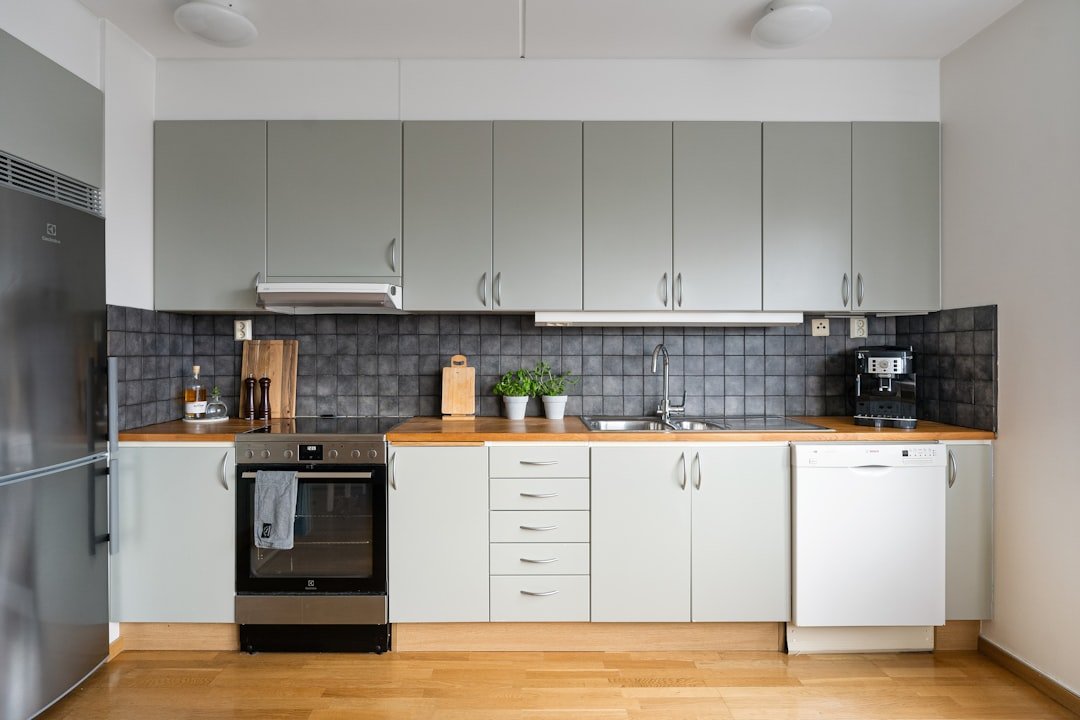
Energy efficiency in the kitchen is an important component of contemporary home design and operation. The kitchen functions as a central gathering space where families prepare meals and spend time together. It is also one of the most energy-consuming areas of the home, accounting for a substantial share of household energy usage.
Energy efficiency in kitchens involves understanding how energy is used in this space and finding ways to minimize waste while preserving comfort and usability. Beyond reducing utility expenses, improving kitchen energy efficiency supports sustainable living practices by lowering a household’s overall carbon emissions. Kitchen appliances and systems—including refrigerators, ovens, dishwashers, and lighting—are major contributors to energy consumption.
Older appliances typically consume considerably more energy than newer models, which incorporate advanced technologies designed to improve efficiency. Cooking methods and daily habits also affect energy use; for example, microwaves consume less energy than conventional ovens when preparing smaller portions. By understanding how energy is used throughout the kitchen, homeowners can make practical decisions that result in lower energy costs and reduced environmental impact.
Simple Changes for Energy Savings
Implementing simple changes in the kitchen can lead to noticeable energy savings without requiring significant investment or renovation. One of the most effective strategies is to adjust cooking habits. For instance, using lids on pots and pans can trap heat and reduce cooking times, thereby consuming less energy.
Similarly, planning meals to cook multiple items at once can optimize oven use, allowing for more efficient energy consumption. Additionally, utilizing smaller appliances like slow cookers or toaster ovens for smaller meals can be more energy-efficient than heating a full-sized oven. Another straightforward change involves the use of cold water for rinsing dishes instead of hot water.
This not only conserves energy but also reduces the load on water heaters. Furthermore, ensuring that the refrigerator is set to the optimal temperature—typically between 35°F and 38°F—can prevent excessive energy use while keeping food fresh. Regular maintenance, such as cleaning coils and checking door seals, also plays a crucial role in ensuring that appliances operate efficiently.
These small adjustments can accumulate over time, leading to significant reductions in energy consumption.
Upgrading Appliances for Better Efficiency
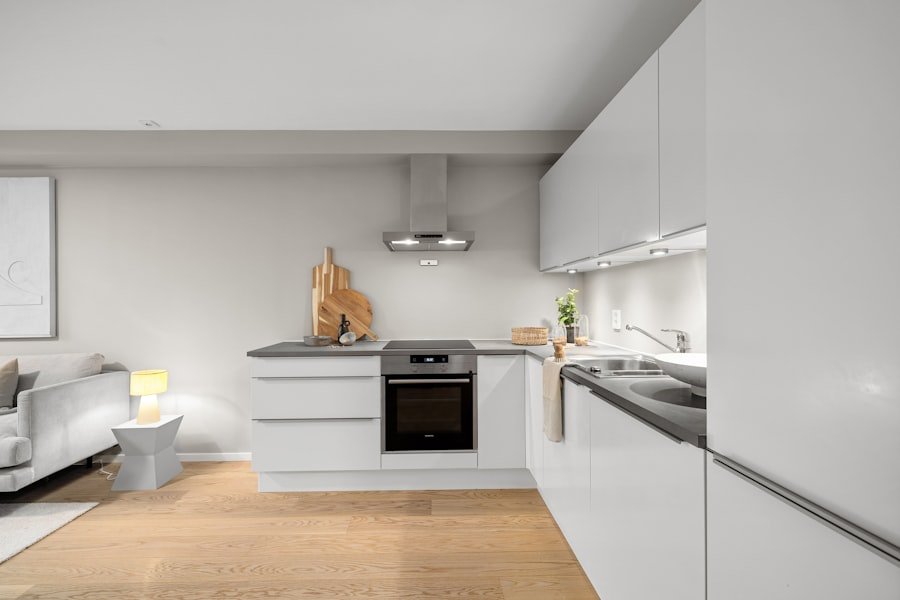
When it comes to enhancing energy efficiency in the kitchen, upgrading appliances is one of the most impactful steps homeowners can take. Modern appliances are designed with advanced technologies that prioritize energy conservation without sacrificing performance. For example, Energy Star-rated refrigerators use up to 15% less energy than non-rated models, translating into substantial savings over their lifespan.
These appliances often feature improved insulation, more efficient compressors, and smart technology that optimizes energy use based on demand. In addition to refrigerators, other kitchen appliances such as dishwashers and ovens have also seen significant advancements in energy efficiency. Newer dishwashers are equipped with sensors that adjust water usage based on load size and soil level, ensuring that they operate at peak efficiency.
Induction cooktops are another excellent example; they heat pots and pans directly through electromagnetic fields, resulting in faster cooking times and less wasted heat compared to traditional gas or electric stoves. Investing in these upgraded appliances not only reduces energy consumption but can also enhance the overall cooking experience by providing better performance and convenience.
Maximizing Natural Light and Ventilation
Natural light and ventilation are essential components of an energy-efficient kitchen design. By maximizing these elements, homeowners can reduce reliance on artificial lighting and mechanical ventilation systems, leading to lower energy consumption. Strategically placing windows or skylights can flood the kitchen with natural light during the day, creating a bright and inviting atmosphere while minimizing the need for electric lights.
For instance, installing large windows or glass doors that open to outdoor spaces can create a seamless transition between indoor and outdoor living while enhancing natural light. Ventilation is equally important in maintaining air quality and comfort in the kitchen. Proper airflow helps dissipate heat generated during cooking and reduces humidity levels, which can lead to mold growth if left unchecked.
Utilizing exhaust fans or range hoods that vent outside can effectively remove cooking odors and excess moisture. Additionally, incorporating operable windows allows for cross-ventilation, which can cool down the space naturally without relying on air conditioning systems. By focusing on natural light and ventilation, homeowners can create a healthier living environment while simultaneously reducing their energy footprint.
Improving Insulation and Sealing
| Metric | Value | Unit | Notes |
|---|---|---|---|
| Average Energy Savings | 15-25 | Percent | Reduction in kitchen energy use after efficiency improvements |
| LED Lighting Energy Use | 75 | Percent less | Compared to traditional incandescent bulbs |
| Energy Star Appliance Efficiency | 20-30 | Percent more efficient | Compared to standard appliances |
| Water Usage Reduction | 30 | Percent | Using low-flow faucets and efficient dishwashers |
| Typical Renovation Time | 1-2 | Weeks | Minimal renovation timeframe for energy upgrades |
| Payback Period | 3-5 | Years | Time to recover investment through energy savings |
| Insulation Improvement Impact | 10-15 | Percent energy savings | Adding or improving insulation in kitchen walls/ceilings |
| Smart Thermostat Energy Reduction | 10 | Percent | Energy saved by optimizing kitchen heating/cooling |
Improving insulation and sealing in the kitchen is a vital step toward enhancing overall energy efficiency. Proper insulation helps maintain consistent temperatures within the space, reducing the workload on heating and cooling systems. In many kitchens, areas such as walls, ceilings, and even floors may lack adequate insulation, leading to heat loss during winter months or excessive heat gain during summer months.
By adding insulation materials like fiberglass batts or spray foam in these areas, homeowners can create a more comfortable environment while lowering energy costs. Sealing gaps and cracks around windows, doors, and other openings is equally important for preventing air leaks that can compromise energy efficiency. Weatherstripping and caulking are effective methods for sealing these gaps, ensuring that conditioned air remains inside while keeping unwanted drafts at bay.
This not only enhances comfort but also contributes to a more stable indoor climate, reducing the need for constant heating or cooling adjustments. By prioritizing insulation and sealing efforts in the kitchen, homeowners can achieve significant long-term savings on their energy bills.
Smart Use of Water for Energy Savings
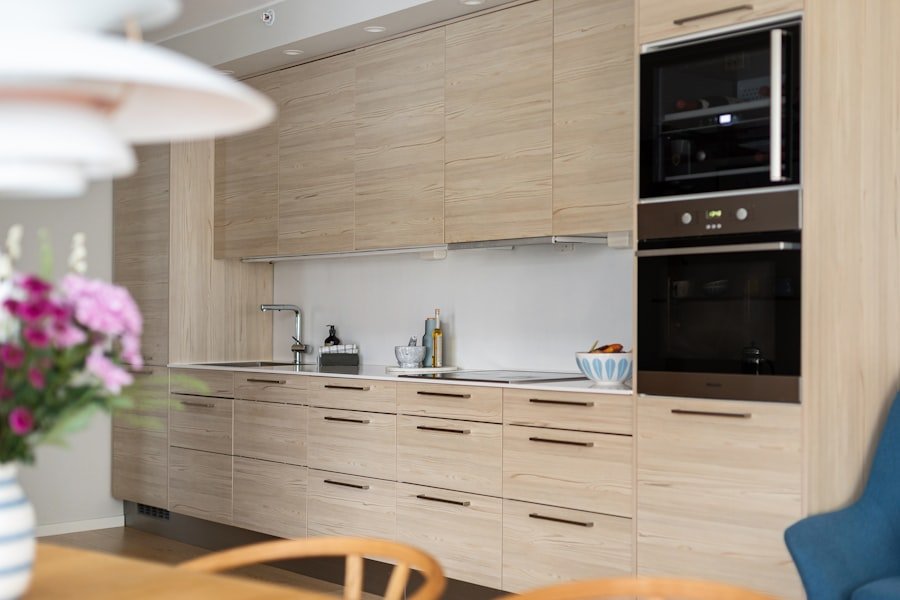
Water usage in the kitchen is another area where homeowners can implement strategies for energy savings. The water heater is often one of the largest consumers of energy in a household; therefore, optimizing its use is crucial for overall efficiency. One effective method is to install low-flow faucets and aerators that reduce water flow without sacrificing pressure.
This simple upgrade can significantly decrease hot water usage during tasks such as washing dishes or preparing food. Additionally, being mindful of water temperature settings on water heaters can lead to further savings. Setting the heater to 120°F is generally sufficient for most household needs while preventing scalding risks and reducing energy consumption compared to higher settings.
Furthermore, using cold water for rinsing fruits and vegetables not only conserves hot water but also minimizes energy use associated with heating it up. By adopting these practices, homeowners can effectively manage their water usage while simultaneously reducing their overall energy consumption.
Incorporating Energy-Efficient Lighting
Lighting plays a crucial role in creating an inviting atmosphere in the kitchen while also contributing significantly to energy consumption. Transitioning to energy-efficient lighting options such as LED bulbs can lead to substantial savings over time. LEDs consume up to 80% less energy than traditional incandescent bulbs and have a much longer lifespan—often lasting up to 25 times longer.
This means fewer replacements and lower overall costs associated with lighting. In addition to choosing efficient bulbs, it’s essential to consider lighting design within the kitchen space. Utilizing task lighting in specific areas such as countertops or islands ensures that light is directed where it’s needed most without wasting energy on illuminating unused spaces.
Dimmers can also be installed to adjust brightness levels based on time of day or activity, further enhancing efficiency while providing flexibility in ambiance. By thoughtfully incorporating energy-efficient lighting solutions into kitchen design, homeowners can create a well-lit environment that aligns with their sustainability goals.
Consulting with a Professional for Minimal Renovation Options
For homeowners looking to enhance energy efficiency in their kitchens without undertaking extensive renovations, consulting with a professional can provide valuable insights and tailored solutions. Energy auditors or home improvement specialists can assess existing conditions and recommend specific upgrades that align with both budgetary constraints and efficiency goals. These professionals often have access to resources such as rebates or incentives for implementing energy-efficient upgrades, making it easier for homeowners to invest in improvements.
Minimal renovation options may include simple changes like replacing outdated fixtures with modern equivalents or enhancing insulation without major structural changes. Professionals can also provide guidance on integrating smart home technology that allows for better monitoring of energy use within the kitchen. For instance, smart thermostats or appliance controls enable homeowners to optimize their usage patterns based on real-time data, leading to further savings without significant investment.
By leveraging professional expertise, homeowners can make informed decisions that enhance their kitchen’s efficiency while minimizing disruption to their daily lives.
FAQs
What are some simple ways to make a kitchen more energy-efficient without major renovations?
Simple ways include switching to LED lighting, using energy-efficient appliances, sealing gaps around windows and doors, and installing low-flow faucets to reduce water heating costs.
How can lighting be improved for energy efficiency in the kitchen?
Replacing incandescent bulbs with LED or CFL bulbs can significantly reduce energy consumption. Additionally, using task lighting instead of overhead lights and installing dimmer switches can help save energy.
Are there energy-efficient appliances that can be added without remodeling the kitchen?
Yes, many energy-efficient appliances such as refrigerators, dishwashers, and microwaves are available in standard sizes and can be installed without major changes to cabinetry or layout.
Can insulation improvements help in creating an energy-efficient kitchen?
Improving insulation around windows, doors, and walls can help maintain temperature, reducing the need for heating or cooling and thus saving energy.
Is it possible to reduce water heating energy in the kitchen without renovation?
Yes, installing low-flow faucets and aerators can reduce hot water usage, lowering energy consumption for water heating.
How does regular maintenance contribute to kitchen energy efficiency?
Regularly cleaning refrigerator coils, sealing leaks in appliances, and ensuring proper ventilation can improve appliance efficiency and reduce energy waste.
What role do smart kitchen devices play in energy efficiency?
Smart devices like programmable thermostats, smart plugs, and energy monitors can help track and control energy use, leading to more efficient consumption without physical renovations.
Can changing cooking habits impact kitchen energy efficiency?
Yes, using lids on pots, cooking with energy-efficient appliances like pressure cookers, and avoiding preheating ovens unnecessarily can reduce energy use.
Is it necessary to replace old appliances to improve kitchen energy efficiency?
While replacing old appliances with ENERGY STAR-rated models can improve efficiency, maintaining and optimizing existing appliances can also yield energy savings without replacement.
Are there any financial incentives for making energy-efficient upgrades in the kitchen?
Many regions offer rebates, tax credits, or incentives for purchasing energy-efficient appliances or making energy-saving improvements, even if they do not involve major renovations.