

A well-organized pantry is essential for kitchen efficiency and functionality. When pantry items are systematically arranged, locating ingredients becomes faster, which streamlines meal preparation—a significant advantage for busy households. An organized pantry also reduces food waste by making expiration dates visible and ensuring ingredients are used in a timely manner, supporting more sustainable consumption practices.
An organized pantry improves meal planning and shopping decisions. When you can easily see available ingredients, you can plan meals around what you already have rather than purchasing unnecessary items. This approach reduces grocery expenses and encourages creative use of existing ingredients.
Proper pantry organization ultimately enhances the cooking experience, decreases kitchen-related stress, and provides greater control over food inventory and meal preparation.
Assessing and Sorting Your Pantry Items
The first step in organizing a pantry is to conduct a thorough assessment of its contents. This involves emptying the pantry completely and examining each item. As you go through your pantry, it’s essential to check expiration dates and assess the condition of each product.
Items that are expired or no longer usable should be discarded immediately. This process not only clears out clutter but also provides an opportunity to reflect on your purchasing habits and identify any items that may have been forgotten or neglected. Once you have sorted through the items, categorizing them is the next logical step.
Group similar items together to create a more intuitive layout. For instance, you might have categories for canned goods, grains, baking supplies, snacks, and spices. This categorization can be further refined based on personal preferences or cooking habits.
For example, if you frequently use certain spices or condiments, consider placing them in a separate section for easy access. By taking the time to assess and sort your pantry items, you lay the groundwork for a more organized and efficient space.
Utilizing Storage Solutions for Maximum Efficiency
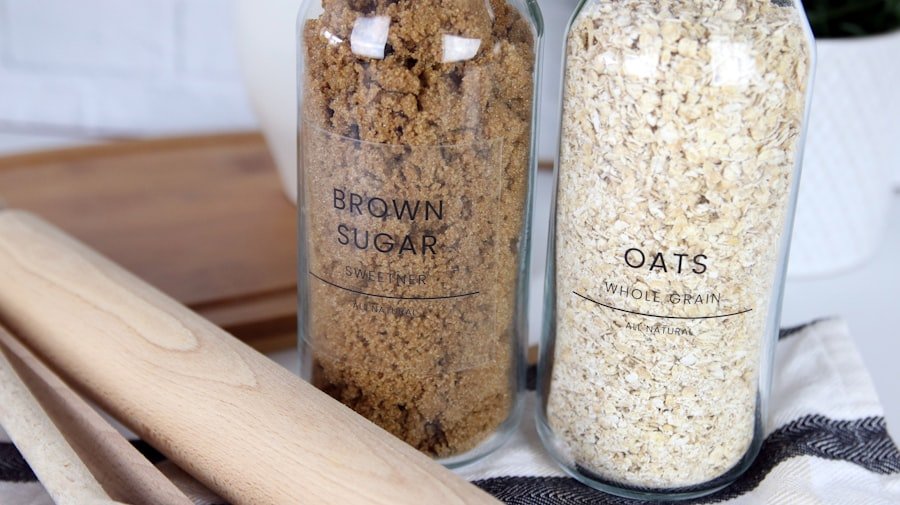
To maximize the efficiency of your pantry, it is essential to invest in appropriate storage solutions. The right containers can make a significant difference in how well your pantry functions. Clear bins are particularly useful as they allow you to see the contents at a glance, reducing the likelihood of purchasing duplicates.
Airtight containers are ideal for storing dry goods like flour, sugar, and pasta, as they help maintain freshness and prevent pests from infiltrating your supplies. In addition to bins and containers, consider using shelves, racks, and drawer organizers to optimize vertical space. Adjustable shelving can accommodate items of varying heights, while tiered racks can help display smaller items like spices or jars more prominently.
Lazy Susans are another excellent option for corner spaces or deep shelves, allowing easy access to items that might otherwise be difficult to reach. By thoughtfully selecting storage solutions tailored to your pantry’s specific needs, you can create an environment that promotes organization and accessibility.
Creating a Functional Layout for Easy Access
A functional layout is key to ensuring that your pantry remains organized over time. When designing this layout, consider the frequency of use for each category of items. Place everyday essentials at eye level or within easy reach, while less frequently used items can be stored higher up or towards the back.
For example, if you regularly cook with certain spices or oils, keep them front and center so they are readily available when needed. Moreover, think about grouping items based on how they are used in meal preparation. For instance, keep baking supplies together—flour, sugar, baking powder—so that when you decide to bake, everything is conveniently located in one area.
Similarly, if you often prepare meals using canned goods or pasta, consider placing these items close to your cooking area for quick access. By creating a functional layout tailored to your cooking habits, you enhance not only the organization of your pantry but also the overall efficiency of your kitchen workflow.
Implementing a Rotation System to Minimize Waste
| Metric | Before Organizing | After Organizing | Impact |
|---|---|---|---|
| Average Time Spent Searching for Items (minutes/day) | 15 | 5 | 67% reduction |
| Food Waste (percentage of pantry items) | 20% | 7% | 65% reduction |
| Monthly Grocery Spending | 300 | 240 | 20% savings |
| Number of Duplicate Purchases per Month | 4 | 1 | 75% reduction |
| Pantry Inventory Accuracy | 60% | 95% | 58% improvement |
One of the most effective strategies for maintaining an organized pantry is implementing a rotation system for your food items. This system is based on the principle of “first in, first out” (FIFO), which ensures that older products are used before newer ones. By placing newer items behind older ones on the shelves or in bins, you encourage the use of ingredients that may be nearing their expiration dates.
To effectively implement this system, regularly check your pantry and rearrange items as necessary. This could involve moving older cans or boxes to the front and pushing newer products to the back after each grocery shopping trip. Additionally, consider using clear containers with labels indicating purchase dates or expiration dates to facilitate this process further.
By adopting a rotation system, you not only minimize food waste but also cultivate a habit of being mindful about what you consume.
Meal Planning and Inventory Management
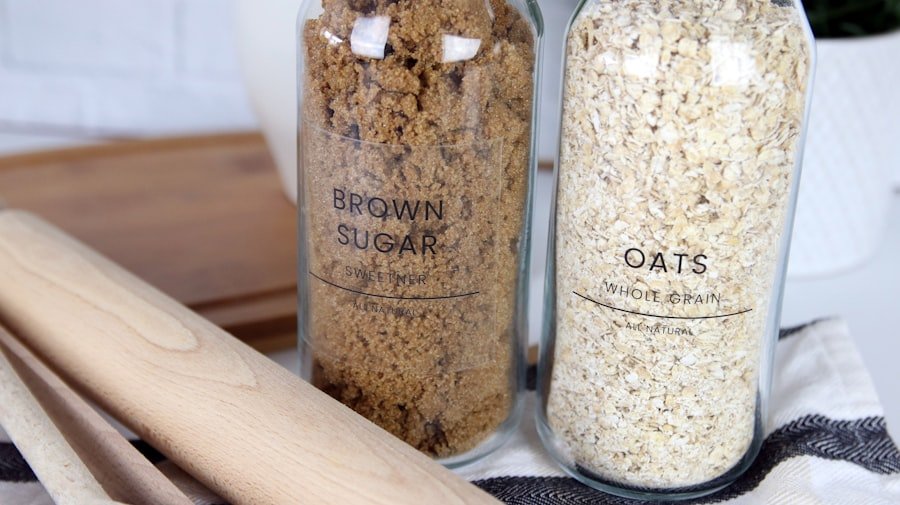
Meal planning is an integral part of maintaining an organized pantry and can significantly enhance your cooking experience. By planning meals ahead of time, you can make informed decisions about what ingredients you need and what can be utilized from your existing pantry stock. This proactive approach reduces impulse purchases and helps ensure that you are using what you already have on hand.
In conjunction with meal planning, effective inventory management is essential for keeping track of what’s available in your pantry. Consider creating a simple inventory list that outlines all items along with their quantities and expiration dates. This list can be updated regularly as you use items or purchase new ones.
Some individuals find it helpful to keep this list on their refrigerator or in a digital format on their phone for easy access while grocery shopping. By combining meal planning with diligent inventory management, you create a streamlined process that supports both organization and culinary creativity.
Labeling and Categorizing for Quick Retrieval
Labeling is a powerful tool in maintaining an organized pantry that allows for quick retrieval of items when needed. Clear labels on containers and shelves not only help identify contents at a glance but also assist other household members in finding what they need without creating additional clutter. When labeling containers, consider including both the name of the item and its expiration date to facilitate better inventory management.
Categorization goes hand-in-hand with labeling; by clearly defining sections within your pantry—such as snacks, baking supplies, or canned goods—you create an intuitive system that makes it easy for anyone to navigate the space. Use color-coded labels or different fonts to differentiate between categories visually. This method not only enhances organization but also adds an element of personalization to your pantry space.
By investing time in labeling and categorizing your pantry items effectively, you foster an environment where efficiency thrives.
Maintaining and Updating Your Organized Pantry
The final step in achieving long-term success with your organized pantry is establishing a routine for maintenance and updates. Regularly scheduled checks—perhaps once a month—can help ensure that everything remains in order and that expired items are removed promptly. During these checks, take the opportunity to reassess your storage solutions; as your cooking habits evolve or as seasons change, so too might your pantry needs.
Additionally, consider involving family members in this maintenance process to promote shared responsibility for keeping the pantry organized. Teaching children how to put things back in their designated spots or how to check expiration dates fosters good habits that can last a lifetime. By committing to regular maintenance and updates, you ensure that your organized pantry continues to serve its purpose effectively over time, making cooking a more enjoyable and efficient experience for everyone involved.
FAQs
Why is organizing my pantry important for saving time?
Organizing your pantry helps you quickly find ingredients, reducing the time spent searching while cooking. It also allows you to keep track of what you have, preventing unnecessary trips to the store.
How can organizing my pantry help me save money?
By organizing your pantry, you can avoid buying duplicate items, reduce food waste by using items before they expire, and plan meals more efficiently based on what you already have.
What are some effective ways to organize a pantry?
Effective methods include grouping similar items together, using clear containers or labels, arranging items by frequency of use, and keeping frequently used items at eye level for easy access.
How often should I reorganize my pantry?
It is recommended to reorganize your pantry every few months or whenever you notice clutter or expired items. Regular maintenance helps keep the space functional and efficient.
What types of storage containers are best for pantry organization?
Airtight, clear containers are ideal as they keep food fresh and allow you to see contents easily. Containers made of glass or BPA-free plastic are commonly used for pantry storage.
Can organizing my pantry help with meal planning?
Yes, a well-organized pantry makes it easier to see what ingredients you have on hand, which simplifies meal planning and helps you create shopping lists that avoid unnecessary purchases.
What should I do with expired or unused pantry items?
Expired items should be discarded to maintain food safety. Unused but still good items can be donated to food banks or shared with friends and family to reduce waste.
Is it necessary to label pantry items?
Labeling pantry items is highly recommended as it helps quickly identify contents, especially when using opaque containers, and ensures proper rotation of stock based on expiration dates.