
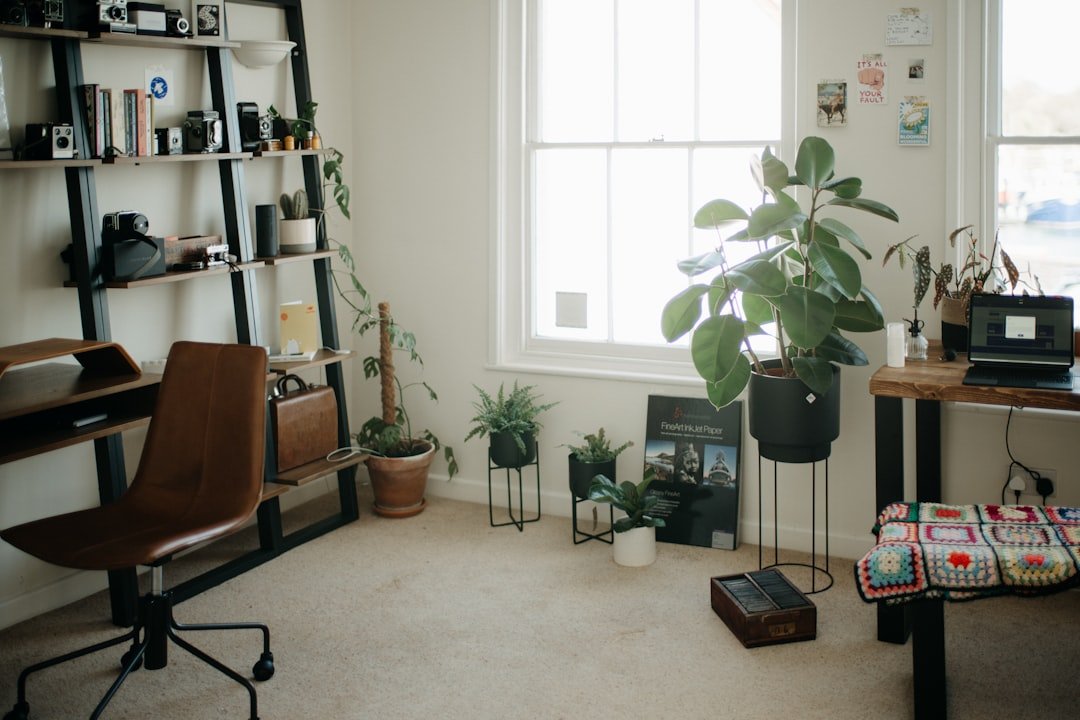
Lighting is essential for creating the right atmosphere in any room, especially in spaces designed for relaxation and socializing, such as living rooms and entertainment areas. Proper lighting can transform an ordinary space into a warm and welcoming environment. To achieve this, use a layered lighting approach that combines three types: ambient, task, and accent lighting.
Ambient lighting serves as the main source of illumination, typically provided by ceiling fixtures or wall sconces. This lighting should be soft and diffused to create a comfortable setting. Dimmable LED lights are an effective option, as they allow you to adjust brightness based on the time of day or desired mood.
Task lighting is important in areas where specific activities occur, such as reading or gaming. Table lamps or floor lamps with adjustable brightness provide focused light without creating an overwhelming effect. Accent lighting highlights specific features in the room, such as artwork or architectural elements.
Wall-mounted picture lights or strategically positioned spotlights can emphasize these details and add visual depth to the space. By combining these three lighting types thoughtfully, you can create a versatile environment that accommodates different moods and activities.
Furniture Arrangement: Creating a Welcoming Space
The arrangement of furniture is crucial in shaping the flow and functionality of a room. A well-thought-out layout not only enhances the aesthetic appeal but also promotes social interaction and comfort. When arranging furniture, consider the natural pathways within the space.
For instance, ensure that there is enough room for people to move freely without obstruction. A common approach is to create conversation areas by grouping seating together, such as sofas and chairs facing each other. This arrangement encourages dialogue and fosters a sense of community among guests.
In addition to promoting interaction, furniture arrangement should also take into account the scale and proportion of the pieces in relation to the room size. Oversized furniture in a small space can feel cramped, while too many small pieces in a large room can create a disjointed look. Balance is key; for example, if you have a large sectional sofa, complement it with a few smaller accent chairs or ottomans to create visual harmony.
Furthermore, consider the focal point of the room—whether it’s a fireplace, a large window with a view, or an entertainment center—and arrange your furniture to highlight this feature. This not only enhances the aesthetic appeal but also creates a natural gathering point for family and friends.
Decor and Accessories: Adding Personality and Style
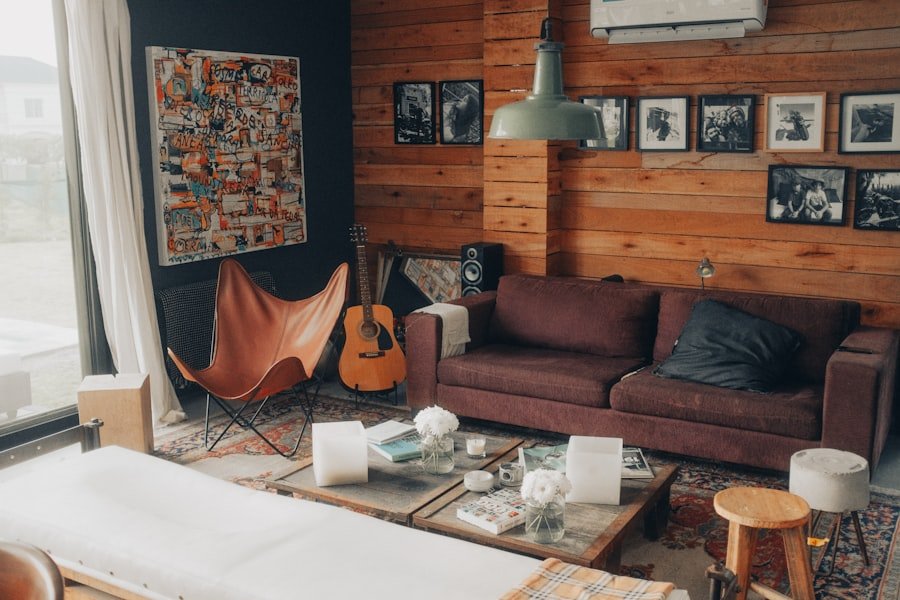
Decor and accessories are essential elements that breathe life into a space, allowing you to express your personal style and interests. When selecting decor items, consider incorporating a mix of textures, colors, and patterns to create visual interest. For instance, layering different fabrics—such as plush throw pillows, woven blankets, and textured rugs—can add depth and warmth to your living area.
Additionally, incorporating various materials like wood, metal, and glass can create a dynamic interplay that enhances the overall aesthetic. Artwork is another powerful tool for personal expression in your decor scheme. Whether it’s framed prints, original paintings, or even sculptures, art can serve as a focal point that reflects your tastes and experiences.
Consider creating a gallery wall that showcases a collection of pieces that resonate with you; this not only adds character but also invites conversation among guests. Furthermore, don’t overlook the importance of plants in your decor. Indoor greenery not only purifies the air but also brings a sense of tranquility and life into your space.
Choose low-maintenance plants like succulents or snake plants if you’re concerned about upkeep.
Entertainment Center: Maximizing the Viewing Experience
An entertainment center is often the heart of a living room, serving as the hub for relaxation and social gatherings. To maximize the viewing experience, it’s essential to consider both functionality and aesthetics when designing this area. Start by selecting an appropriate media console that complements your overall decor while providing ample storage for devices such as gaming consoles, DVD players, and streaming devices.
A well-organized entertainment center not only looks tidy but also makes it easy to access your favorite media. Positioning your television at an optimal height is crucial for comfortable viewing. Ideally, the center of the screen should be at eye level when seated.
If you have a large television, consider mounting it on the wall to save space and create a sleek look. Surround sound systems can further enhance your viewing experience; strategically placing speakers around the room can create an immersive audio environment that elevates movie nights or gaming sessions. Additionally, consider incorporating smart technology into your entertainment setup—streaming devices and smart TVs can provide access to a vast array of content while keeping your space clutter-free.
Seating Options: Comfortable and Stylish
| Aspect | Metric/Tip | Details |
|---|---|---|
| Seating Capacity | 4-8 people | Arrange sofas, chairs, and ottomans to comfortably seat guests without overcrowding. |
| Traffic Flow | Clear pathways | Ensure at least 2-3 feet of walking space between furniture for easy movement. |
| Lighting | Layered lighting | Use a combination of overhead, task, and ambient lighting to create a warm atmosphere. |
| Surface Space | Multiple surfaces | Include coffee tables, side tables, or trays for guests to place drinks and snacks. |
| Decor | Minimal and functional | Keep decor simple to avoid clutter and allow space for entertaining essentials. |
| Entertainment | Accessible media | Position TV or sound system where all guests can easily view or hear. |
| Storage | Hidden storage | Use furniture with built-in storage to keep extra blankets, games, or utensils handy. |
| Flexibility | Modular furniture | Choose pieces that can be rearranged or moved to accommodate different group sizes. |
Seating is one of the most critical components of any living space, as it directly impacts comfort and functionality. When selecting seating options, prioritize both style and comfort to ensure that your space is inviting for guests while reflecting your personal taste. Sofas are often the centerpiece of living rooms; choosing one with durable upholstery in a color that complements your decor can set the tone for the entire space.
Modular sofas offer versatility, allowing you to rearrange them based on your needs or preferences. In addition to sofas, consider incorporating various seating options such as accent chairs or poufs that provide additional comfort without overwhelming the space. These pieces can be easily moved around for gatherings or when you need extra seating for guests.
For smaller spaces, consider multifunctional furniture like ottomans that can serve as both seating and storage solutions. When selecting seating arrangements, ensure that there is enough space between pieces for easy movement while maintaining an intimate atmosphere conducive to conversation.
Organizing Clutter: Storage Solutions for a Tidy Space
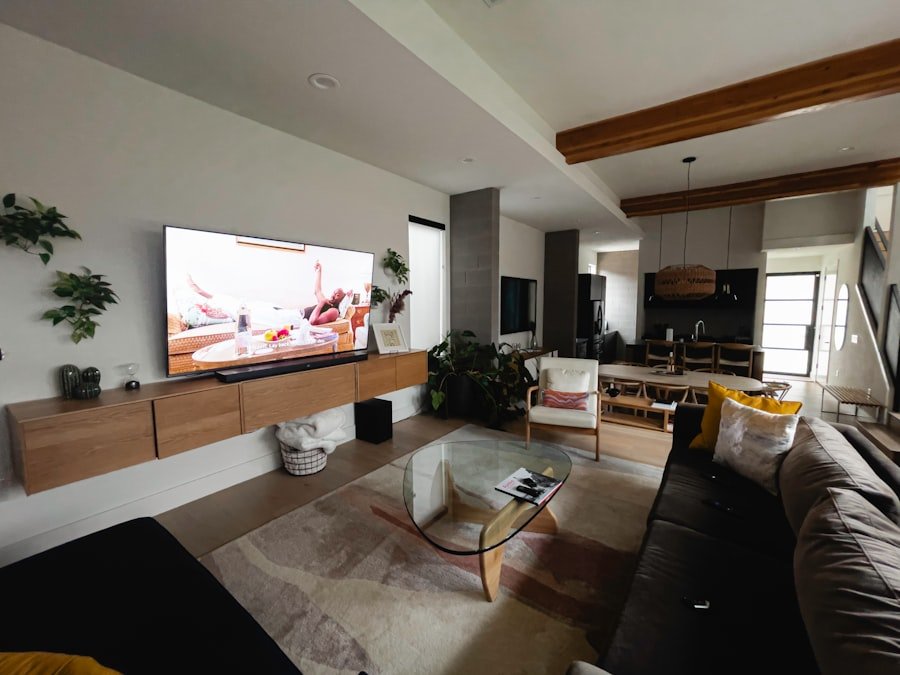
A clutter-free environment is essential for creating a serene living space where relaxation can thrive. Effective storage solutions are key to maintaining organization while ensuring that essential items are easily accessible. Start by assessing your storage needs; consider incorporating built-in shelving units or bookcases that not only provide storage but also serve as decorative elements within the room.
These units can be styled with books, decorative boxes, and personal mementos to create visual interest while keeping clutter at bay. In addition to shelving, consider utilizing multifunctional furniture pieces that offer hidden storage options. Coffee tables with drawers or lift-top designs can provide ample space for storing remote controls, magazines, or board games without compromising on style.
Baskets are another excellent solution for organizing items like blankets or toys; they add texture while keeping things tidy. Additionally, utilizing vertical space by installing wall-mounted shelves can help maximize storage without taking up valuable floor space.
Personal Touches: Incorporating Your Hobbies and Interests
Incorporating personal touches into your living space is essential for creating an environment that feels uniquely yours. One effective way to achieve this is by showcasing your hobbies and interests through decor elements that reflect your personality. For instance, if you’re an avid traveler, consider displaying souvenirs from your journeys—such as framed maps or photographs—on shelves or walls.
This not only adds character but also serves as a conversation starter for guests. Another way to infuse personality into your space is through DIY projects that showcase your creativity. Whether it’s hand-painted artwork or custom-made furniture pieces, these unique elements can make your home feel more intimate and inviting.
Additionally, consider creating dedicated spaces for hobbies within your living area; for example, if you enjoy crafting or playing musical instruments, designating an area with appropriate storage and seating can encourage you to engage in these activities more frequently.
Hosting Essentials: Stocking Up on Drinks and Snacks
When it comes to hosting gatherings at home, being prepared with drinks and snacks is essential for creating an enjoyable experience for your guests. Start by curating a selection of beverages that cater to various preferences—this could include alcoholic options like wine or craft beer alongside non-alcoholic choices such as sparkling water or artisanal sodas. Consider investing in a stylish bar cart or dedicated beverage station where you can display these options attractively while keeping everything organized.
Snacks are equally important; having a variety of options on hand ensures that there’s something for everyone. Consider preparing simple yet delicious finger foods like cheese platters, vegetable trays with dips, or bite-sized appetizers that are easy to grab while mingling. Additionally, having sweet treats like cookies or brownies can add a delightful touch to your gatherings.
By thoughtfully stocking up on drinks and snacks ahead of time, you’ll be able to focus on enjoying the company of your guests rather than scrambling at the last minute to prepare refreshments. Creating an inviting living space involves careful consideration of various elements—from lighting and furniture arrangement to personal touches that reflect your unique style. By thoughtfully curating each aspect of your environment, you can design a home that not only meets your functional needs but also serves as a welcoming retreat for family and friends alike.
FAQs
What are some key steps to organize a living room for entertaining guests?
Key steps include decluttering the space, arranging furniture to facilitate conversation, ensuring ample seating, creating designated areas for food and drinks, and adding ambient lighting to create a welcoming atmosphere.
How can I maximize seating in a small living room?
Use multi-functional furniture like ottomans or benches that double as seating, incorporate floor cushions or poufs, and arrange chairs and sofas to optimize space without overcrowding.
What type of furniture arrangement works best for entertaining?
A circular or semi-circular arrangement encourages conversation and interaction among guests. Avoid blocking pathways and ensure there is enough space for guests to move comfortably.
How important is lighting when organizing a living room for guests?
Lighting is very important as it sets the mood. Use a combination of overhead lights, floor lamps, and table lamps to create a warm and inviting environment. Dimmer switches can help adjust brightness according to the occasion.
Should I create separate zones in the living room for entertaining?
Yes, creating zones such as a seating area, a snack or drink station, and a space for games or activities can help guests feel comfortable and engaged.
How can I keep the living room tidy during a gathering?
Prepare by removing unnecessary items, provide designated spots for coats and bags, use trays or baskets for organizing snacks and drinks, and have trash bins easily accessible but discreet.
What decor elements enhance a living room for entertaining?
Use cozy throw pillows and blankets, fresh flowers or plants, artwork that reflects your style, and scented candles or diffusers to create a pleasant ambiance.
Is it necessary to have a TV in the living room when entertaining guests?
Not necessarily. While a TV can provide entertainment, it’s often better to focus on conversation and interaction. If you do have a TV, consider turning it off or using it as background ambiance.
How can I accommodate guests with different needs in my living room?
Ensure there is a variety of seating options with different heights and support, provide clear pathways for easy movement, and consider accessibility needs such as space for wheelchairs or walkers.
What are some tips for organizing food and drinks in the living room?
Use a dedicated table or bar cart for easy access, arrange items neatly, provide enough glassware and utensils, and keep napkins and coasters handy to maintain cleanliness.