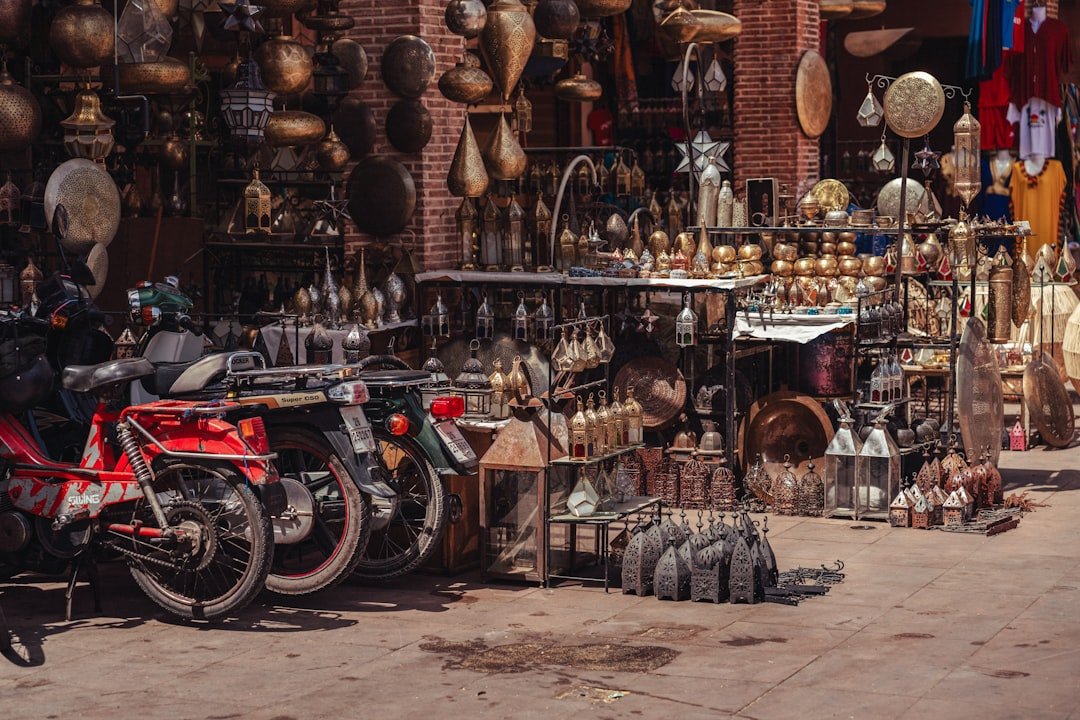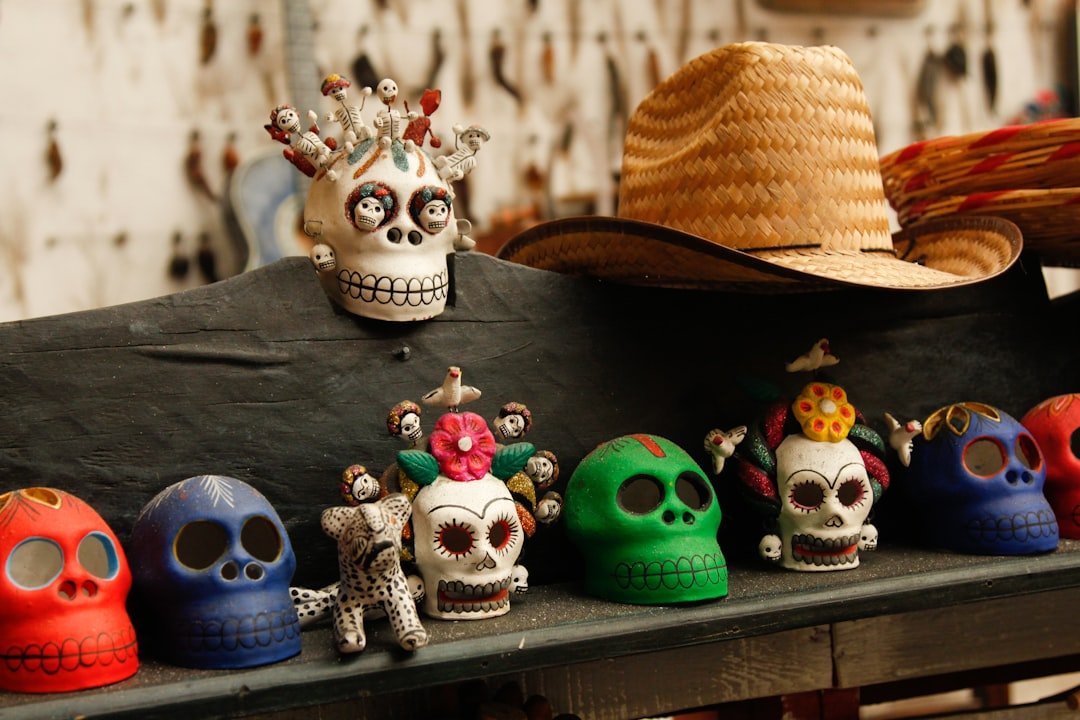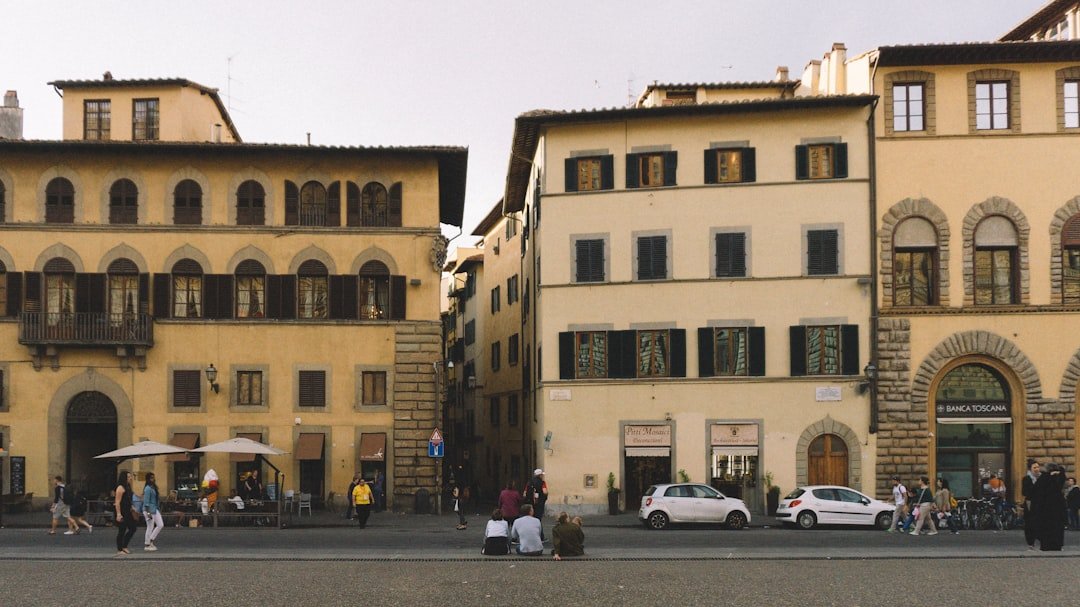
Florence is a city known for its historical significance, cultural heritage, and architectural landmarks. The city is home to numerous artisan workshops that produce traditional crafts including leather goods, jewelry, ceramics, and textiles. These workshops employ skilled craftspeople who use techniques that have been developed and refined over centuries.
The artisan workshops of Florence serve an important function in preserving traditional manufacturing methods and cultural practices. In contrast to industrial mass production, these workshops maintain small-scale operations that emphasize quality and individual craftsmanship. The techniques used in these workshops are typically transmitted from experienced artisans to apprentices, allowing traditional skills to be maintained across generations.
Visitors to Florence can observe various stages of production in these workshops, including leather working, stone carving, and textile creation.
The History of Artisan Work in Florence
The roots of artisan work in Florence can be traced back to the Middle Ages when guilds began to form as a means of regulating trades and protecting the interests of craftsmen. These guilds played a crucial role in establishing standards for quality and training apprentices, ensuring that skills were honed and passed down through generations. The most prominent guilds included the Arte della Seta (Silk Guild), Arte dei Medici e Speziali (Guild of Physicians and Apothecaries), and Arte dei Calimala (Wool Guild), each contributing to the economic and cultural fabric of Florence.
During the Renaissance, Florence emerged as a center of artistic innovation and economic prosperity. The Medici family, who were influential patrons of the arts, supported artisans and encouraged the development of new techniques and styles. This period saw a flourishing of craftsmanship, with artisans producing exquisite works that adorned churches, palaces, and public spaces.
The legacy of this era is still evident today, as many workshops continue to employ traditional methods that have been refined over centuries. The historical significance of these artisan practices cannot be overstated; they are integral to understanding Florence’s identity as a cultural capital.
The Different Types of Artisan Workshops in Florence
Florence is home to a diverse array of artisan workshops, each specializing in unique crafts that reflect the city’s rich artistic heritage. One of the most iconic forms of craftsmanship is leatherworking. The city boasts numerous leather workshops where artisans create everything from handbags to belts using traditional techniques such as vegetable tanning.
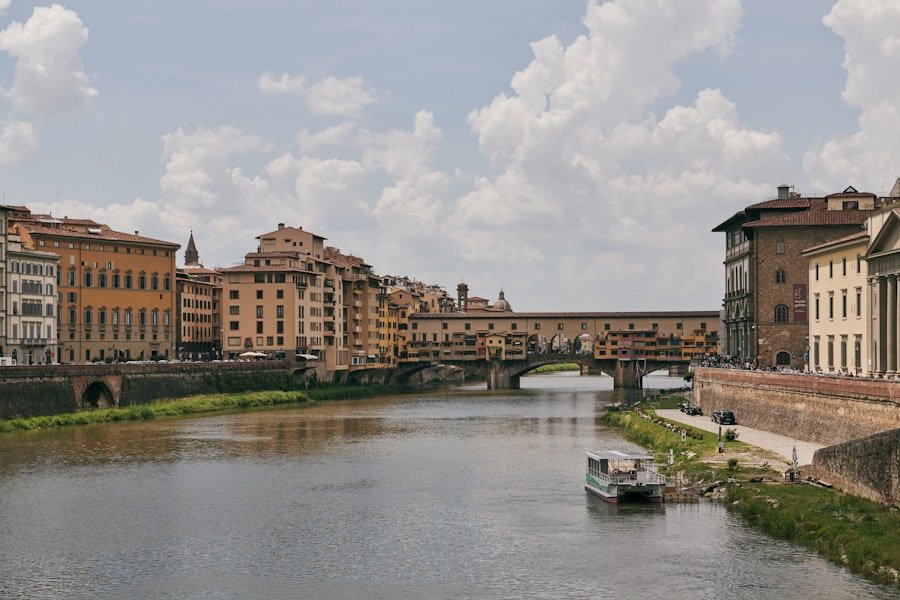
The famous San Lorenzo Market is a hub for leather goods, showcasing the skill and artistry involved in this age-old craft. In addition to leatherworking, Florence is renowned for its goldsmiths and jewelry makers. The Ponte Vecchio, with its charming shops perched above the Arno River, is a historic center for goldsmithing.
Here, artisans create intricate pieces that often incorporate precious stones and elaborate designs. The craftsmanship involved in goldsmithing requires not only technical skill but also an artistic vision that brings each piece to life. Ceramics also hold a special place in Florence’s artisan scene.
Workshops dedicated to this craft produce beautifully hand-painted pottery that reflects both traditional Florentine designs and contemporary aesthetics. Artisans often use techniques passed down through generations, such as majolica glazing, which results in vibrant colors and intricate patterns. Visitors can find these unique pieces in various shops throughout the city, each telling a story through its design.
Textile production is another significant aspect of Florence’s artisan workshops. The city has a long-standing tradition of weaving and textile design, with artisans creating luxurious fabrics that are sought after worldwide. From silk scarves to intricate tapestries, these textiles often feature motifs inspired by Florentine history and nature.
The craftsmanship involved in textile production showcases not only technical skill but also an understanding of color theory and design principles.
The Role of Artisan Workshops in Preserving Traditional Crafts
Artisan workshops in Florence play a vital role in preserving traditional crafts that might otherwise fade into obscurity. In an era where mass production dominates the market, these workshops serve as guardians of techniques that have been refined over centuries. By maintaining high standards of quality and craftsmanship, artisans ensure that their work remains relevant and respected.
Moreover, many workshops actively engage in teaching and mentoring the next generation of craftsmen and women. Apprenticeships are common in Florence’s artisan community, allowing young artisans to learn from seasoned professionals. This transfer of knowledge is crucial for keeping traditional crafts alive; it fosters a sense of pride in heritage while equipping new artisans with the skills necessary to innovate within their craft.
The preservation efforts extend beyond mere technique; they encompass the cultural narratives associated with each craft. For instance, leatherworking in Florence is not just about creating functional items; it is about understanding the historical significance of leather goods in Florentine society. Artisans often incorporate local stories and traditions into their work, creating pieces that resonate with both locals and visitors alike.
The Experience of Visiting Artisan Workshops in Florence
| Workshop Name | Type of Craft | Location | Average Visit Duration | Visitor Rating (out of 5) | Unique Experience Offered |
|---|---|---|---|---|---|
| La Bottega del Cuoio | Leatherworking | Oltrarno District | 1.5 hours | 4.7 | Hands-on leather crafting workshop |
| Antica Manifattura Fiorentina | Goldsmithing | Historic Center | 1 hour | 4.5 | Live goldsmith demonstrations |
| Firenze Mosaic Studio | Mosaic Art | San Frediano | 2 hours | 4.8 | Create your own mosaic piece |
| Il Papiro | Paper Marbling | Santa Croce | 1 hour | 4.6 | Traditional paper marbling workshop |
| Fattoria di Maiano | Woodworking | Fiesole (near Florence) | 2.5 hours | 4.9 | Wood carving and furniture making |
Visiting artisan workshops in Florence offers a unique opportunity to witness craftsmanship firsthand. Many workshops welcome visitors for guided tours or demonstrations, providing insight into the intricate processes involved in creating their products. This immersive experience allows guests to appreciate not only the final product but also the dedication and skill required to bring it to life.
As one steps into a workshop, they are often greeted by the sights and sounds of creativity in action. The rhythmic tapping of tools against wood or metal, the vibrant colors of paints and dyes, and the rich aromas of materials create an atmosphere that is both inspiring and educational. Artisans are typically eager to share their knowledge, explaining their techniques and the history behind their craft.
This personal interaction fosters a deeper connection between visitors and artisans, transforming a simple shopping experience into an engaging cultural exchange. Many workshops also offer hands-on experiences where visitors can try their hand at various crafts under the guidance of skilled artisans. Whether it’s molding clay into pottery or learning basic leatherworking techniques, these interactive sessions provide a tangible connection to Florence’s artistic heritage.
Participants leave not only with a newfound appreciation for craftsmanship but also with a unique souvenir created by their own hands.
Meeting the Artisans: Personal Stories and Insights
The artisans behind Florence’s workshops are often as fascinating as their crafts. Each artisan has a unique story that reflects their journey into the world of craftsmanship. For instance, many artisans come from families with long histories in their respective trades, having been introduced to their craft at a young age.
Others may have pursued different careers before discovering their passion for art and craftsmanship later in life. Take for example an artisan specializing in goldsmithing who began his career as an architect. His background in design informs his jewelry creations, resulting in pieces that blend structural elegance with artistic flair.
His workshop is filled with sketches and prototypes that showcase his creative process, offering visitors insight into how he translates ideas into tangible works of art. Another artisan may have inherited her family’s leather workshop but has chosen to innovate by incorporating modern designs into traditional techniques. Her commitment to sustainability is evident in her choice of materials; she sources leather from local tanneries that prioritize ethical practices.
Through her work, she not only honors her family’s legacy but also addresses contemporary concerns about environmental impact. These personal stories enrich the experience of visiting artisan workshops in Florence. They highlight the passion and dedication that drive these craftsmen and women while emphasizing the importance of individual creativity within traditional frameworks.
Supporting Local Artisans: Where to Find and Buy Their Products
For those looking to support local artisans during their visit to Florence, there are numerous avenues available for purchasing authentic handcrafted goods. Artisan markets are popular destinations where visitors can find a wide range of products directly from makers. The Mercato di Sant’Ambrogio is one such market that features stalls from various artisans selling everything from handmade jewelry to artisanal food products.
In addition to markets, many artisan workshops have their own retail spaces where visitors can purchase items directly from the source. This not only ensures authenticity but also allows buyers to engage with artisans about their work. Purchasing directly from workshops often means acquiring unique pieces that cannot be found elsewhere, making them special keepsakes or gifts.
Florence also hosts several annual events dedicated to promoting local artisanship, such as “Firenze dei Bambini,” which showcases children’s crafts alongside adult artisanship. These events provide an excellent opportunity for visitors to explore various crafts while supporting local talent. Online platforms have also emerged as valuable resources for those wishing to support Florentine artisans from afar.
Websites dedicated to promoting local crafts allow consumers worldwide to purchase authentic products while ensuring that artisans receive fair compensation for their work.
The Future of Artisan Workshops in Florence: Challenges and Opportunities
While artisan workshops in Florence continue to thrive on tradition and craftsmanship, they face several challenges in an ever-evolving marketplace. One significant hurdle is competition from mass-produced goods that often undercut prices while sacrificing quality. As consumers increasingly seek affordable options, many artisans struggle to maintain profitability without compromising their standards.
Additionally, changing consumer preferences pose challenges for traditional craftspeople. Younger generations may gravitate towards modern aesthetics or digital products rather than handcrafted items steeped in history. To adapt, some artisans are exploring innovative designs or incorporating contemporary elements into their work while still honoring traditional techniques.
Despite these challenges, there are also numerous opportunities for growth within Florence’s artisan community. Increased interest in sustainable practices has led many consumers to seek out ethically produced goods, providing artisans with a niche market willing to pay for quality craftsmanship over quantity. Furthermore, collaborations between artisans across different disciplines can lead to exciting new products that appeal to broader audiences.
The rise of social media has also opened new avenues for marketing and outreach, allowing artisans to showcase their work beyond local markets. By leveraging platforms like Instagram or Etsy, they can connect with potential customers worldwide while sharing their stories and processes. In conclusion, while challenges exist for artisan workshops in Florence, there remains a vibrant community dedicated to preserving traditional crafts while embracing innovation.
As long as there are passionate artisans committed to their craft, Florence will continue to be a beacon of creativity and artistry for generations to come.
FAQs
What types of artisan workshops can be found in Florence?
Florence is home to a variety of artisan workshops including leather crafting, goldsmithing, bookbinding, ceramics, and traditional textile weaving. These workshops often preserve centuries-old techniques passed down through generations.
Are artisan workshops in Florence open to visitors?
Many artisan workshops in Florence welcome visitors and offer guided tours, demonstrations, and sometimes hands-on experiences. It is advisable to check in advance or book appointments to ensure availability.
How do artisan workshops in Florence differ from museums?
Unlike museums, artisan workshops are active workspaces where artisans create and sell their products. Visitors can observe the creative process firsthand and often interact directly with the craftsmen.
Can visitors purchase handmade products at these workshops?
Yes, most artisan workshops sell their handmade goods on-site. These products are typically unique, high-quality items such as leather goods, jewelry, and ceramics, reflecting traditional Florentine craftsmanship.
Where are artisan workshops typically located in Florence?
Artisan workshops are commonly found in historic neighborhoods such as Oltrarno, near the Ponte Vecchio, and around the city center. These areas have long been hubs for traditional crafts.
Is it necessary to speak Italian to visit artisan workshops?
While many artisans speak some English, especially in workshops catering to tourists, basic Italian phrases can enhance the experience. Some workshops may offer multilingual guides or printed materials.
Are there any special events or festivals related to artisan crafts in Florence?
Florence hosts various events celebrating traditional crafts, such as the annual “Festa della Rificolona” and artisan fairs. These events provide opportunities to explore local craftsmanship beyond regular workshop visits.
How can I find authentic artisan workshops in Florence?
Authentic workshops can be found through local tourism offices, reputable travel guides, and online platforms specializing in cultural experiences. Recommendations from locals and previous visitors are also valuable.
Do artisan workshops in Florence offer workshops or classes for tourists?
Some artisan workshops provide classes or short courses where visitors can learn specific crafts like leatherworking or jewelry making. These experiences often require prior booking and may vary in duration and cost.
What is the significance of artisan workshops to Florence’s cultural heritage?
Artisan workshops play a crucial role in preserving Florence’s rich artistic and cultural heritage. They maintain traditional skills and contribute to the city’s identity as a center of Renaissance art and craftsmanship.