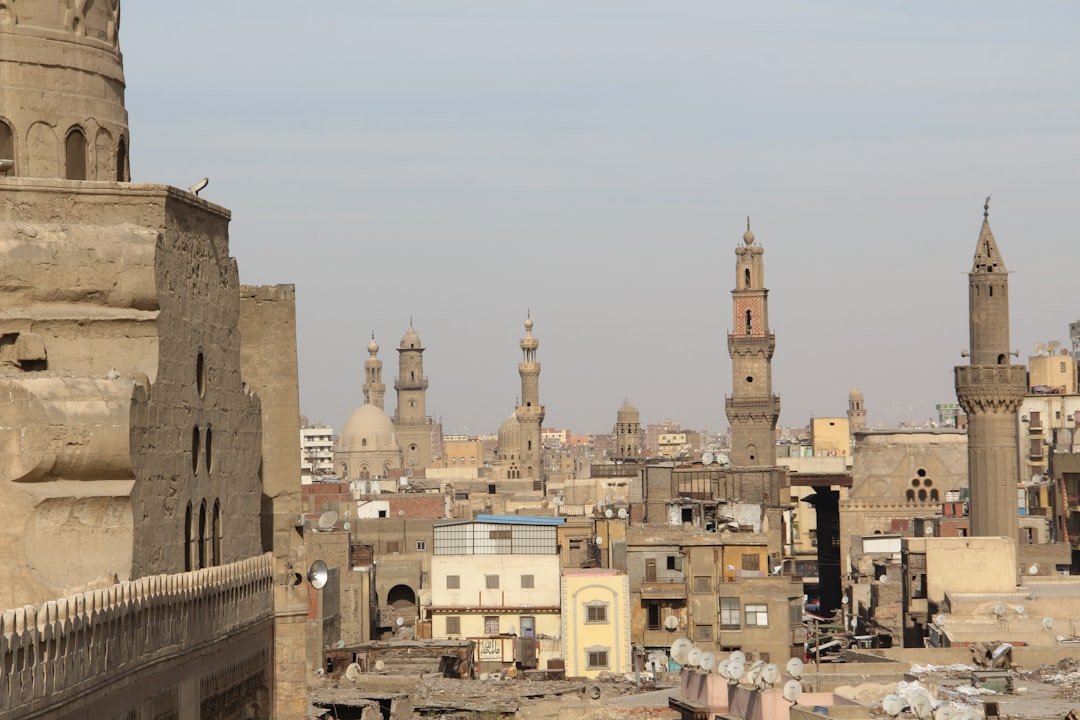
Marrakech is a historically and culturally significant city famous for its vibrant markets, called souks. These marketplaces function as essential commercial and social centers, where local artisans, traders, and visitors interact daily. The souks provide a multisensory experience through their distinctive sights, sounds, and aromas.
While major tourist attractions draw large crowds, the traditional markets offer authentic insights into Moroccan daily life and demonstrate the region’s heritage and craftsmanship traditions that have been maintained across generations. The traditional markets preserve historical commercial practices. Their narrow passages contain numerous stalls displaying diverse merchandise, including ceramic goods and handwoven textiles.
The markets are characterized by active merchant communication and social activity. These spaces maintain established trading customs, including price negotiation, where individual items carry historical significance and transactions involve structured haggling processes. For visitors who explore beyond primary tourist destinations, Marrakech’s traditional markets provide substantial cultural engagement and connection to the city’s established customs and practices.
Navigating the Labyrinth of Souks
The souks of Marrakech are a labyrinthine network that can be both exhilarating and overwhelming. As you step into this maze, it is essential to embrace the adventure rather than fear getting lost. Each souk is dedicated to specific crafts or goods, making it easier to navigate once you understand their layout.
For instance, the Souk Semmarine is known for its leather goods, while the Souk des Teinturiers specializes in textiles dyed in vibrant colors. The winding paths are often adorned with beautiful mosaics and intricate tile work, adding to the visual feast. To truly appreciate the souks, one must adopt a sense of curiosity and exploration.
The best way to navigate this maze is to allow yourself to wander aimlessly, letting your instincts guide you. As you meander through the narrow streets, you will encounter friendly shopkeepers eager to share their stories and showcase their wares. It is not uncommon for merchants to invite you into their shops for a cup of mint tea, creating an atmosphere of hospitality that is quintessentially Moroccan.
While it may be easy to feel disoriented amidst the bustling crowds, each turn can lead to unexpected discoveries, whether it be a hidden courtyard or a local artisan at work.
Uncovering Unique Handcrafted Treasures
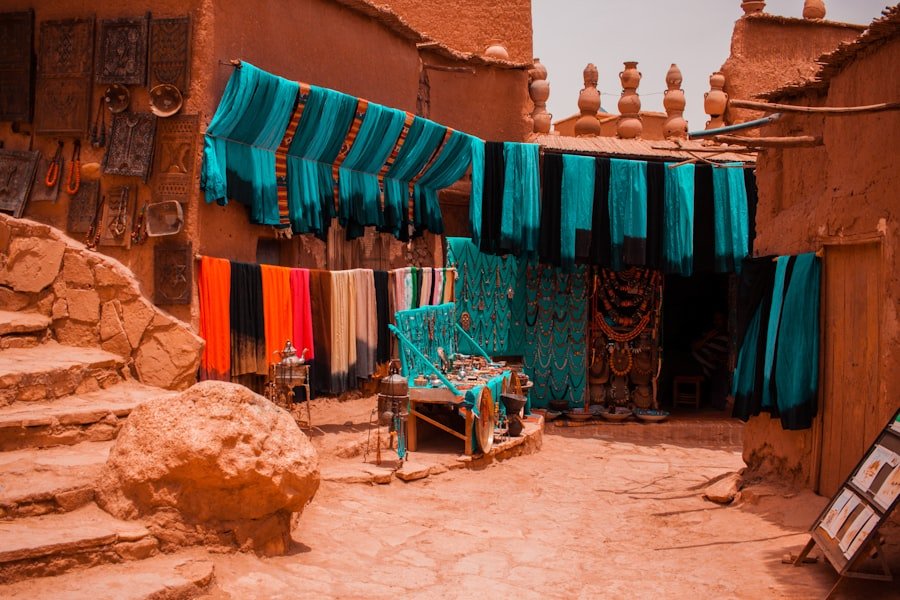
One of the most enchanting aspects of Marrakech’s traditional markets is the abundance of unique handcrafted treasures waiting to be uncovered. Artisans in these souks pour their heart and soul into their creations, resulting in one-of-a-kind pieces that reflect the rich cultural heritage of Morocco. From intricately designed pottery to stunning metalwork, each item tells a story of craftsmanship that has been honed over centuries.
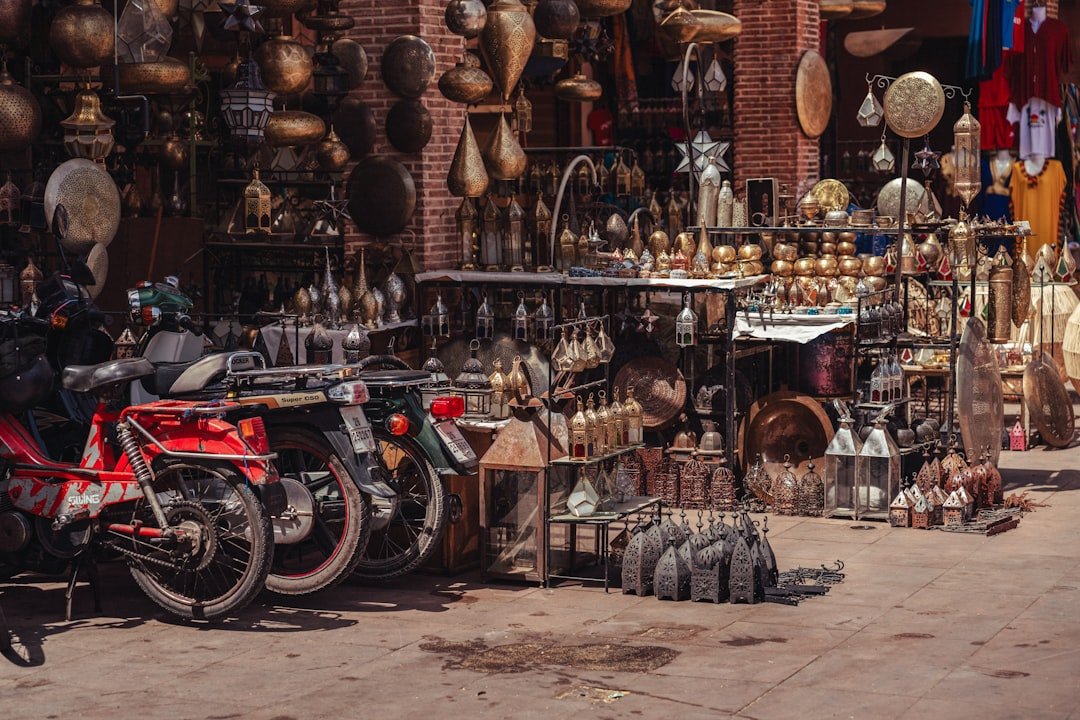
The attention to detail is remarkable; for instance, you might find beautifully painted ceramic tiles that have been crafted using techniques passed down through generations. Among the most sought-after treasures are the traditional Moroccan lanterns, which cast mesmerizing patterns when illuminated. These lanterns are often made from brass or wrought iron and are intricately designed with geometric patterns that reflect Islamic art.
Purchasing one of these lanterns not only adds a touch of Moroccan charm to your home but also supports local artisans who rely on their craft for their livelihood. Additionally, you may stumble upon handwoven rugs that showcase vibrant colors and intricate designs, each telling a story of the region from which it originates. These treasures are not just souvenirs; they are pieces of art that embody the spirit of Marrakech.
Experiencing the Aromas and Flavors of the Spice Market
No visit to Marrakech’s traditional markets would be complete without immersing yourself in the intoxicating aromas of the spice market. Located near the heart of the medina, this vibrant souk is a sensory delight where spices are displayed in colorful mounds, creating a feast for the eyes as well as the nose. The air is thick with the scent of cumin, saffron, cinnamon, and an array of other spices that are integral to Moroccan cuisine.
Vendors enthusiastically share their knowledge about each spice, often offering samples to entice passersby. In addition to spices, you will find an assortment of dried herbs and natural remedies that have been used in Moroccan culture for centuries. From za’atar to ras el hanout, each blend has its own unique flavor profile and culinary application.
Engaging with local vendors provides an opportunity to learn about traditional Moroccan cooking techniques and how these spices can elevate your dishes at home. Many stalls also offer beautifully packaged spice mixes that make for perfect gifts or souvenirs. The spice market is not just a place to shop; it is an experience that tantalizes your senses and deepens your appreciation for Moroccan culinary traditions.
Discovering Local Artisans and Their Workshops
| Market Name | Location | Specialty | Best Time to Visit | Unique Feature |
|---|---|---|---|---|
| Souk Haddadine | Near Bab Doukkala | Metalwork and Blacksmiths | Morning | Traditional ironwork demonstrations |
| Souk Chouari | Medina, near Bab Doukkala | Woodcraft and Carpentry | Late Morning | Hand-carved wooden items |
| Souk Smata | Medina, near Jemaa el-Fnaa | Leather slippers and footwear | Afternoon | Traditional Moroccan babouche slippers |
| Souk Sebbaghine | Medina, near Koutoubia Mosque | Dyeing and Textiles | Morning to Afternoon | Natural dyeing techniques |
| Souk Ableuh | Medina, near Bab Doukkala | Olives and Preserved Foods | Morning | Wide variety of local olives and pickles |
Venturing deeper into Marrakech’s souks reveals not only shops but also workshops where local artisans create their masterpieces right before your eyes. These workshops are often tucked away from the main thoroughfares, providing an intimate glimpse into the craftsmanship that defines Moroccan culture. Here, you can witness skilled artisans at work—potters shaping clay on wheels, weavers deftly maneuvering looms, and metalworkers hammering intricate designs into brass and copper.
Engaging with these artisans offers a unique opportunity to learn about their craft firsthand. Many artisans are eager to share their techniques and stories about their trade, providing insight into how they preserve traditional methods while adapting to modern demands. For example, you might find a leatherworker who explains how he sources his materials from local tanneries and uses age-old techniques to create beautiful bags and shoes.
Supporting these artisans not only helps sustain their livelihoods but also ensures that these traditional crafts continue to thrive in an increasingly globalized world.
Immersing Yourself in the Vibrant Textile Market
The textile market in Marrakech is a vibrant tapestry of colors and textures that captivates visitors from around the globe. As you enter this bustling area, you are greeted by an explosion of hues—rich reds, deep blues, and sunny yellows adorn every stall. The textiles on display range from intricately woven rugs to delicate silk scarves and hand-embroidered garments.
Each piece reflects the artistry and cultural significance of Moroccan textile traditions. One cannot help but be drawn into the world of textiles as you explore various stalls showcasing different weaving techniques and styles from various regions of Morocco. The Berber rugs, known for their geometric patterns and bold colors, tell stories of nomadic life and cultural heritage.
Meanwhile, silk fabrics from Fez exhibit exquisite craftsmanship with intricate designs that have been meticulously created over generations. Engaging with local textile vendors allows you to learn about the significance of each piece and how they are made, enriching your understanding of Moroccan culture.
Sampling Traditional Moroccan Cuisine at the Food Markets
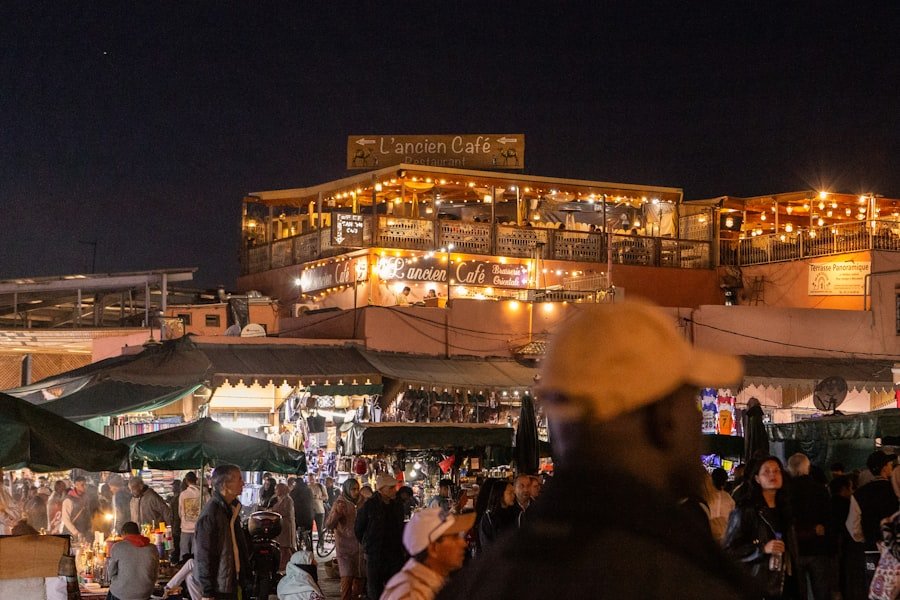
The food markets in Marrakech are a culinary paradise where visitors can indulge in traditional Moroccan cuisine that tantalizes the taste buds. As you wander through these bustling markets, you will encounter an array of food stalls offering everything from savory tagines to sweet pastries like baklava and chebakia. The air is filled with mouthwatering aromas as vendors prepare their dishes right before your eyes, creating an inviting atmosphere that beckons you to sample their offerings.
One must-try dish is the iconic tagine—a slow-cooked stew named after the earthenware pot in which it is prepared. Each vendor has their own unique recipe, often featuring tender meats like lamb or chicken combined with fragrant spices and seasonal vegetables. Pairing your meal with freshly baked bread enhances the experience as you savor every bite while soaking in the vibrant atmosphere around you.
Additionally, don’t miss out on trying harira—a traditional soup made with lentils, chickpeas, and tomatoes—especially during Ramadan when it is commonly served to break fasts. The food markets not only provide delicious meals but also offer insight into Morocco’s rich culinary heritage.
Tips for Bargaining and Making the Most of Your Market Visit
Bargaining is an integral part of shopping in Marrakech’s traditional markets; it’s not just expected but celebrated as part of the cultural experience. To navigate this aspect successfully, it’s essential to approach negotiations with respect and a sense of humor. Start by engaging with vendors in friendly conversation; this establishes rapport and can lead to better deals.
When you express genuine interest in an item while maintaining a light-hearted attitude during negotiations, vendors are often more willing to lower their prices. A good rule of thumb is to start your offer at about half of what the vendor initially quotes; this gives you room to negotiate while still respecting their craft’s value. Be prepared for some back-and-forth banter—this is part of the fun!
Additionally, consider visiting multiple stalls selling similar items before making a purchase; this allows you to gauge prices and find the best deal while also enjoying the variety offered by different artisans. Lastly, remember that purchasing items from local artisans not only enriches your experience but also supports their livelihoods—making every transaction meaningful beyond just commerce.
FAQs
What are traditional markets in Marrakech?
Traditional markets in Marrakech, often called souks, are vibrant marketplaces where locals sell a variety of goods such as spices, textiles, pottery, jewelry, and handcrafted items. These markets are integral to the city’s culture and economy.
How do traditional markets in Marrakech differ from the main souks?
While the main souks in Marrakech are popular tourist destinations known for their bustling atmosphere and wide range of products, traditional markets beyond the main souks tend to be less crowded and offer a more authentic shopping experience. They often cater more to local residents and feature specialized goods.
Where can I find traditional markets beyond the main souks in Marrakech?
Traditional markets beyond the main souks can be found in various neighborhoods around Marrakech, including areas like Mellah (the old Jewish quarter), the Kasbah district, and local neighborhoods where artisans and farmers sell their products directly.
What types of products are typically sold in these traditional markets?
These markets typically offer fresh produce, spices, traditional Moroccan crafts, textiles, leather goods, ceramics, and sometimes antiques. They may also feature local food stalls and vendors selling everyday household items.
Is it necessary to bargain when shopping in Marrakech’s traditional markets?
Yes, bargaining is a common and expected practice in Marrakech’s traditional markets. It is part of the shopping culture, and vendors usually price items higher initially to allow room for negotiation.
Are traditional markets in Marrakech safe for tourists?
Traditional markets in Marrakech are generally safe for tourists, but it is advisable to stay aware of your surroundings, keep an eye on personal belongings, and avoid carrying large amounts of cash. Visiting with a local guide can enhance safety and the overall experience.
What is the best time to visit traditional markets in Marrakech?
The best time to visit traditional markets is during the morning hours when vendors are setting up and the markets are less crowded. Early visits also offer fresher produce and a more relaxed atmosphere.
Can I find authentic Moroccan food in these traditional markets?
Yes, many traditional markets have food stalls and small eateries where you can sample authentic Moroccan dishes such as tagine, couscous, fresh bread, and local sweets.
How can visiting traditional markets enhance my experience in Marrakech?
Visiting traditional markets beyond the main souks allows travelers to experience the local culture more intimately, interact with residents, discover unique handmade products, and gain insight into daily life in Marrakech.