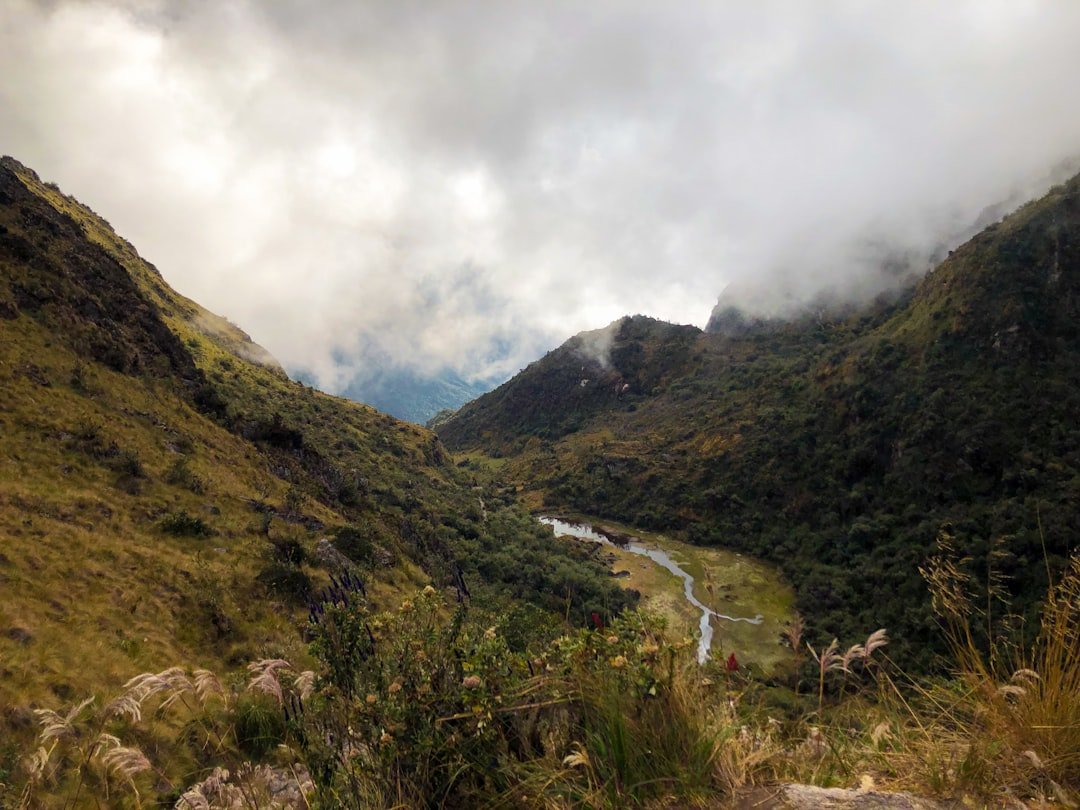
Selecting the appropriate trail is a fundamental step in planning an independent hiking adventure. The choice of trail can significantly influence the overall experience, from the physical demands to the scenic beauty encountered along the way. Factors such as personal fitness level, hiking experience, and the desired scenery should guide this decision.
For instance, a novice hiker may prefer well-marked, less strenuous trails that offer gradual elevation changes and ample rest areas. In contrast, seasoned hikers might seek out challenging routes that include steep ascents, rugged terrain, and remote locations that promise solitude and breathtaking vistas. Researching trails involves more than just looking at maps; it requires an understanding of the local climate, wildlife, and seasonal conditions.
Websites like AllTrails or local hiking forums can provide invaluable insights into trail conditions, user experiences, and potential hazards. Additionally, it’s essential to consider the length of the hike and the time available for completion. A day hike may be suitable for those with limited time, while multi-day treks require careful planning regarding logistics and gear.
Ultimately, the right trail should align with one’s physical capabilities and personal interests, ensuring a fulfilling and enjoyable hiking experience.
Packing Essentials for Independent Hiking
When embarking on an independent hiking journey, packing wisely is crucial for both comfort and safety. The essentials typically include a sturdy backpack, appropriate clothing layers, food, water, navigation tools, and first aid supplies. A well-fitted backpack should distribute weight evenly across the body to prevent fatigue and discomfort during long hikes.
It’s advisable to choose a pack with multiple compartments for easy organization of gear and quick access to frequently used items. Clothing is another critical aspect of packing. Layering is key to adapting to changing weather conditions; a moisture-wicking base layer, an insulating mid-layer, and a waterproof outer layer can provide versatility in various climates.
Footwear should be chosen based on the terrain; sturdy hiking boots with good ankle support are essential for rocky paths, while lighter shoes may suffice for well-maintained trails. Additionally, packing a lightweight tent or tarp, sleeping bag, and sleeping pad is necessary for those planning to camp overnight. These items should be chosen based on their weight and insulation properties to ensure comfort without excessive bulk.
Navigation and Safety Tips
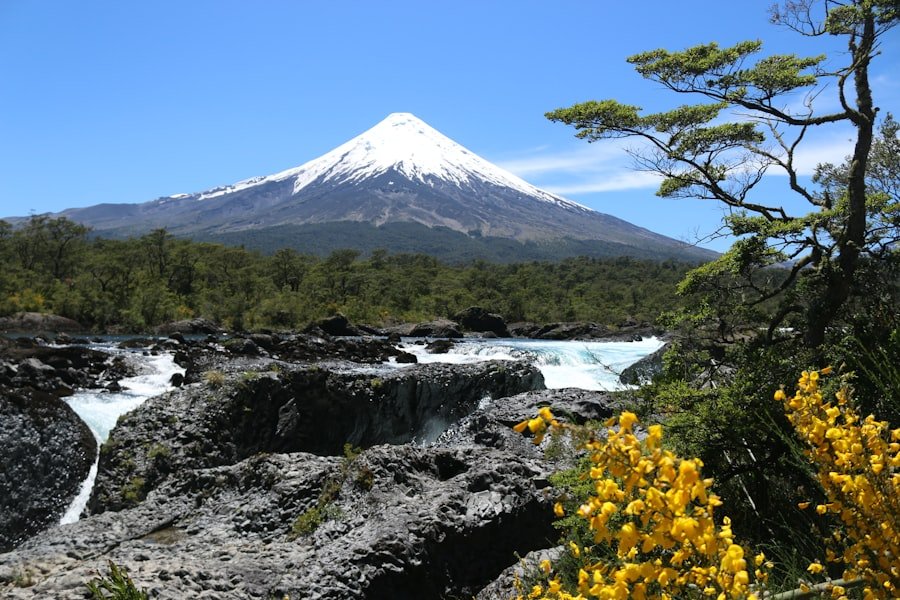
Navigating unfamiliar terrain can be daunting, but with the right tools and knowledge, hikers can confidently explore new trails. A reliable map and compass are fundamental navigation tools that should always accompany a hiker. While GPS devices and smartphone apps have become popular for their convenience, they can fail due to battery depletion or lack of signal in remote areas.
Therefore, traditional navigation skills remain invaluable. Understanding how to read topographic maps and use a compass can help hikers orient themselves and make informed decisions about their route. Safety is paramount when hiking independently.
It’s essential to inform someone about your planned route and expected return time before setting off. This precaution ensures that someone will know to alert authorities if you do not return as scheduled. Additionally, carrying a first aid kit equipped with essentials like band-aids, antiseptic wipes, pain relievers, and any personal medications is crucial for addressing minor injuries or ailments on the trail.
Familiarizing oneself with basic first aid techniques can also be beneficial in case of emergencies. Moreover, being aware of wildlife in the area—such as bears or snakes—and knowing how to react in encounters can enhance safety during hikes.
Acclimatization and Altitude Sickness Prevention
For hikers venturing into high-altitude regions, acclimatization is a critical consideration to prevent altitude sickness. As elevation increases, the air becomes thinner, leading to reduced oxygen levels that can affect physical performance and overall well-being. Symptoms of altitude sickness may include headaches, nausea, dizziness, and fatigue.
To mitigate these risks, it’s advisable to ascend gradually, allowing the body time to adjust to changing altitudes. A common recommendation is to gain no more than 1,000 feet in elevation per day after reaching 8,000 feet. In addition to gradual ascent, staying hydrated is vital for acclimatization.
Drinking plenty of water helps maintain blood volume and supports bodily functions at higher elevations. Some hikers also find it beneficial to consume foods rich in carbohydrates, which can provide energy while aiding in acclimatization. If symptoms of altitude sickness do occur, descending to a lower elevation is often the most effective remedy.
Understanding these principles not only enhances safety but also enriches the hiking experience by allowing individuals to fully enjoy the stunning landscapes that high-altitude trails offer.
Camping and Accommodation Options
| Aspect | Details | Tips | Estimated Cost | Time Required |
|---|---|---|---|---|
| Route Planning | Choose less popular trails like the Huayhuash Circuit or Santa Cruz Trek | Use detailed maps and GPS apps; research local conditions | Low (free maps, apps) | 1-3 weeks depending on trail |
| Permits & Regulations | Check if permits are required for national parks or protected areas | Obtain permits in advance from local authorities | Minimal to moderate | Varies by region |
| Accommodation | Use campsites or small local lodges instead of large tour group camps | Book in advance during high season; consider homestays | Low to moderate | Nightly |
| Food & Supplies | Carry lightweight, high-energy food; buy fresh supplies in villages | Plan meals carefully to avoid excess weight | Low to moderate | Daily |
| Guides & Support | Hire local guides individually if needed; avoid large group guides | Negotiate prices directly; verify credentials | Moderate | As needed |
| Safety | Inform someone about your itinerary; carry emergency communication devices | Travel with a partner if possible; know altitude sickness symptoms | Low to moderate | Continuous |
| Transportation | Use public transport or shared taxis to trailheads | Plan connections ahead; be flexible with schedules | Low | Varies |
When planning an independent hiking trip that spans multiple days, understanding camping options is essential for a comfortable experience in the great outdoors. Many trails offer designated campsites equipped with amenities such as fire pits and restrooms; these sites often provide a sense of community among fellow hikers while ensuring access to necessary facilities. However, some adventurers may prefer backcountry camping for a more secluded experience.
This option allows hikers to set up camp in more remote areas but requires additional planning regarding permits and adherence to local regulations. Choosing the right camping gear is equally important for comfort during overnight stays. A lightweight tent or hammock can provide shelter from the elements while being easy to transport.
Sleeping bags should be selected based on temperature ratings appropriate for the expected weather conditions; a sleeping pad adds insulation from the cold ground while enhancing comfort during sleep. Additionally, considering factors such as proximity to water sources for cooking and cleaning can significantly impact the overall camping experience.
Food and Water Considerations
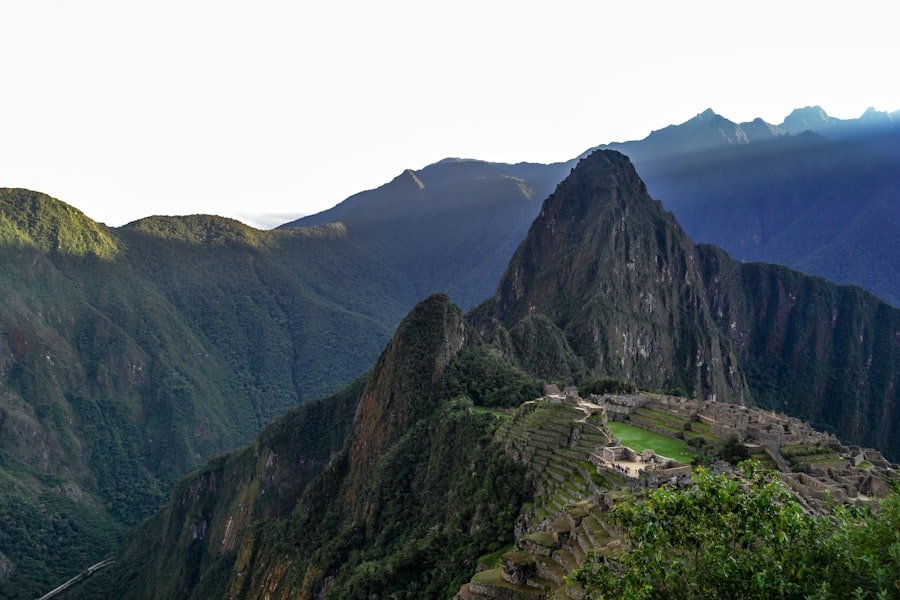
Proper nutrition and hydration are vital components of any hiking expedition. The physical demands of hiking require energy-dense foods that are easy to carry and prepare. Trail mix, energy bars, dehydrated meals, and jerky are popular choices among hikers due to their lightweight nature and high caloric content.
Planning meals ahead of time can help ensure that nutritional needs are met while minimizing waste and excess weight in the pack. Water management is equally crucial when hiking independently. Carrying enough water for the entire trip may not always be feasible; therefore, identifying reliable water sources along the trail is essential.
Hikers should consider bringing a portable water filter or purification tablets to ensure safe drinking water from natural sources such as streams or lakes. It’s advisable to drink regularly throughout the hike rather than waiting until thirst sets in; this practice helps maintain hydration levels and supports overall performance on the trail.
Leave No Trace Principles
Adhering to Leave No Trace principles is essential for preserving natural environments while enjoying outdoor activities like hiking. These principles advocate for responsible recreation by minimizing human impact on ecosystems. One of the core tenets is to plan ahead and prepare; this includes understanding local regulations regarding camping locations and waste disposal methods.
By doing so, hikers can avoid damaging fragile habitats or disturbing wildlife. Another critical aspect of Leave No Trace is respecting wildlife by observing animals from a distance rather than approaching them or feeding them. This practice helps maintain natural behaviors in wildlife populations while reducing human-wildlife conflicts.
Additionally, hikers should always pack out what they pack in—this includes trash as well as leftover food—to prevent littering and protect local flora and fauna from harm. By following these principles, hikers contribute to the sustainability of natural areas for future generations while enhancing their own outdoor experiences.
Cultural and Environmental Sensitivity
Cultural sensitivity is an important consideration when hiking in areas with historical or cultural significance. Many trails traverse lands that hold deep meaning for Indigenous peoples or local communities; understanding this context fosters respect for these cultures and their traditions. Hikers should educate themselves about the history of the land they are exploring and adhere to any guidelines set forth by local communities regarding access and behavior.
Environmental sensitivity also plays a crucial role in responsible hiking practices. This includes being aware of local ecosystems and avoiding actions that could disrupt delicate habitats or contribute to erosion along trails. For example, sticking to established paths helps prevent damage to surrounding vegetation while preserving soil integrity.
Engaging with local conservation efforts or volunteering for trail maintenance can further enhance one’s connection to nature while supporting environmental stewardship initiatives within hiking communities. By embracing these principles of cultural awareness and environmental responsibility, hikers not only enrich their own experiences but also contribute positively to the landscapes they explore and the communities they encounter along their journeys.
FAQs
What are the benefits of hiking the Andes without joining large tour groups?
Hiking the Andes independently allows for a more personalized experience, greater flexibility in itinerary, the opportunity to explore less crowded trails, and often a deeper connection with the natural environment and local culture.
What are some essential preparations for hiking the Andes solo or in small groups?
Essential preparations include researching the trail routes, obtaining necessary permits, packing appropriate gear for varying weather conditions, ensuring physical fitness, arranging reliable maps or GPS devices, and informing someone about your itinerary for safety.
Are there specific permits required for hiking in the Andes?
Yes, many popular trekking areas in the Andes require permits, especially in national parks or protected regions. It is important to check local regulations and secure permits in advance to avoid fines or being denied access.
How can hikers ensure safety when trekking without a large tour group?
Safety can be enhanced by traveling with a small, trusted group, carrying a first aid kit, having communication devices, staying on marked trails, being aware of weather conditions, and knowing basic survival skills. Hiring local guides for certain sections can also improve safety.
What are some recommended routes for independent hikers in the Andes?
Popular independent routes include the Salkantay Trek, Lares Trek, and the Cordillera Blanca trails. These routes offer alternatives to the heavily trafficked Inca Trail and can be done without large tour groups.
How can hikers find local support or guides without joining large tours?
Hikers can connect with local guides or porters through community tourism offices, local hostels, or online platforms that specialize in small group or private guiding services. This supports the local economy while maintaining a more intimate hiking experience.
What gear is necessary for hiking the Andes independently?
Necessary gear includes sturdy hiking boots, layered clothing for temperature changes, a quality backpack, sleeping bag, tent (if camping), water purification methods, navigation tools, sun protection, and sufficient food supplies.
Is altitude sickness a concern when hiking the Andes, and how can it be managed?
Yes, altitude sickness is common due to the high elevations. To manage it, hikers should acclimatize gradually, stay hydrated, avoid alcohol, eat light meals, and be aware of symptoms. Descending to lower altitudes if symptoms worsen is crucial.
Can independent hikers find accommodation along the Andes trails?
Yes, there are various accommodation options including hostels, guesthouses, and refugios (mountain lodges) along many trekking routes. In more remote areas, camping may be necessary.
What is the best time of year to hike the Andes independently?
The dry season, typically from May to September, is the best time for hiking in the Andes due to more stable weather and clearer trails. However, conditions vary by region, so checking local climate information is recommended.