Ubud’s rice terraces are located in central Bali and represent an important part of the island’s agricultural heritage. The terraces feature distinctive tiered formations that descend hillsides in a series of stepped levels. The most visited terraces are found in Tegalalang and Jatiluwih, where the landscape consists of green paddies interspersed with palm trees and framed by distant mountains.
The rice terraces have been cultivated using traditional farming methods for centuries. These practices continue to support the local economy and remain integral to Balinese culture. The terraces attract significant numbers of international visitors who come to observe the agricultural landscape and experience rural Bali.
The cultivation of rice in Bali is connected to the Balinese philosophy of “Tri Hita Karana,” which translates to the three causes of well-being. This philosophy emphasizes balance among people, nature, and the spiritual realm. In practice, rice farming in Bali incorporates spiritual elements alongside agricultural techniques.
Temples and shrines are positioned throughout the terraced areas, reflecting the integration of religious practice with farming activities. The rice terraces have developed as part of a broader cultural system in which agriculture serves both practical and spiritual functions. The farming methods, religious structures, and landscape management have evolved together over generations to create the current agricultural landscape visible in Ubud.
The History and Cultural Significance of Ubud’s Rice Terraces
The history of Ubud’s rice terraces is deeply intertwined with the island’s agricultural practices, which date back over a thousand years. The introduction of wet rice cultivation in Bali can be traced back to the 9th century, when farmers began to harness the island’s abundant water resources through an intricate system of irrigation known as “subak.” This cooperative irrigation system is not only a practical solution for managing water distribution among farmers but also a reflection of the communal spirit that characterizes Balinese society. The subak system has been recognized by UNESCO as an Intangible Cultural Heritage of Humanity, highlighting its significance in maintaining both agricultural productivity and cultural identity.
Culturally, rice holds a sacred place in Balinese life. It is considered a gift from the gods and plays a central role in various rituals and ceremonies. The planting and harvesting of rice are often accompanied by traditional ceremonies that invoke blessings for a bountiful harvest.
For instance, the “Ngembak Geni” ceremony marks the beginning of the planting season, where offerings are made to deities to ensure the fertility of the land. This deep-rooted reverence for rice is evident in the way it is integrated into daily life, from offerings made at temples to its presence in traditional Balinese cuisine. The rice terraces thus serve as a living museum of Balinese culture, where visitors can witness firsthand the enduring traditions that have shaped this vibrant community.
Best Times to Visit Ubud’s Rice Terraces
When planning a visit to Ubud’s rice terraces, timing can significantly enhance the experience. The best times to explore these stunning landscapes are during the dry season, which typically runs from April to October. During these months, visitors can expect clear skies and pleasant temperatures, making it ideal for outdoor activities such as hiking and photography.
The dry season also coincides with the harvesting period for rice, particularly in July and August, when the golden fields create a striking contrast against the lush green backdrop. This seasonal change not only offers a visual spectacle but also provides an opportunity to witness local farmers engaged in traditional harvesting practices. Conversely, visiting during the rainy season, from November to March, presents its own unique charm.
While heavy rains can make some areas muddy and less accessible, they also bring a vibrant freshness to the landscape. The terraces become even more lush and vibrant, with water pooling in the paddies creating reflective surfaces that enhance their beauty. Additionally, fewer tourists during this time can lead to a more intimate experience with nature and local culture.
However, travelers should be prepared for sudden downpours and plan their activities accordingly to make the most of their visit.
Exploring Ubud’s Rice Terraces: Top Attractions and Activities
Ubud’s rice terraces offer a plethora of attractions and activities that cater to various interests. One of the most popular spots is Tegalalang Rice Terrace, known for its stunning views and accessibility. Visitors can stroll along designated pathways that wind through the terraces, providing ample opportunities for photography and appreciation of the intricate irrigation systems.
Local cafes perched on hillsides offer refreshments while allowing guests to soak in panoramic views of the lush landscape. For those seeking adventure, Tegalalang also features zip-lining experiences that provide an exhilarating perspective of the terraces from above. Another noteworthy destination is Jatiluwih Rice Terraces, which boasts a UNESCO World Heritage designation due to its cultural significance and stunning natural beauty.
This expansive area offers numerous walking trails that allow visitors to explore the terraces at their own pace while enjoying breathtaking views of Mount Batukaru in the distance. Guided tours are available for those interested in learning more about traditional farming practices and the subak irrigation system. Additionally, Jatiluwih hosts various cultural events throughout the year, including traditional dance performances and agricultural festivals that celebrate the local way of life.
How to Get to Ubud’s Rice Terraces
| Metric | Details |
|---|---|
| Location | Ubud, Bali, Indonesia |
| Type of Activity | Walking / Hiking |
| Distance Covered | Approximately 5-7 kilometers |
| Duration | 2 to 3 hours |
| Terrain | Terraced rice fields, dirt paths, gentle slopes |
| Difficulty Level | Easy to Moderate |
| Best Time to Visit | April to October (dry season) |
| Average Temperature | 24°C to 30°C (75°F to 86°F) |
| Key Highlights | Scenic rice terraces, local villages, traditional Balinese culture |
| Recommended Gear | Comfortable walking shoes, sun protection, water bottle |
Reaching Ubud’s rice terraces is relatively straightforward, with several transportation options available for visitors. For those staying in Ubud itself, many rice terrace locations are easily accessible by motorbike or bicycle rental. This mode of transport allows travelers to navigate through scenic backroads while enjoying the fresh air and picturesque surroundings.
Numerous rental shops in Ubud offer affordable rates for both motorbikes and bicycles, making it convenient for visitors to explore at their leisure. For those coming from other parts of Bali, hiring a private driver or joining a guided tour can be an excellent option. Many tour operators offer packages that include visits to multiple attractions in addition to the rice terraces, such as local temples or art markets.
This not only simplifies transportation logistics but also provides insights from knowledgeable guides who can share stories about Balinese culture and history along the way. Public transportation options like bemos (shared minibuses) are also available but may require more time and patience due to limited schedules.
Tips for a Sustainable and Respectful Visit to Ubud’s Rice Terraces
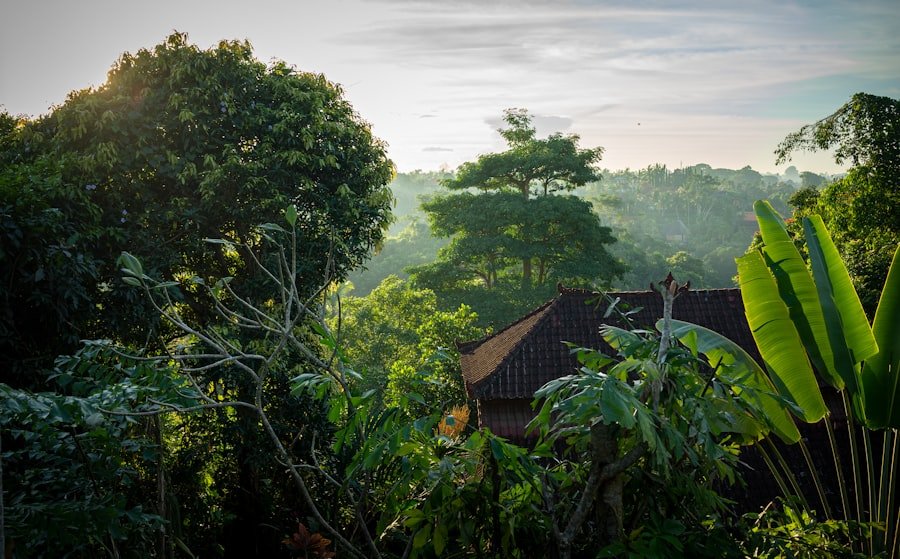
As tourism continues to grow in Bali, it becomes increasingly important for visitors to engage in sustainable practices while exploring Ubud’s rice terraces. One key aspect is respecting local customs and traditions. Visitors should be mindful of their behavior when interacting with local farmers or participating in cultural ceremonies.
Asking for permission before taking photographs of people or their property is essential in fostering respectful relationships with the community. Additionally, travelers should prioritize eco-friendly practices during their visit. This includes minimizing waste by carrying reusable water bottles and bags, as well as avoiding single-use plastics whenever possible.
Many cafes and shops around the terraces promote sustainability by offering refill stations or selling locally sourced products. Supporting local businesses not only contributes to the economy but also helps preserve traditional practices that define Balinese culture.
Where to Stay and Eat Near Ubud’s Rice Terraces
Ubud offers a wide range of accommodation options catering to various budgets and preferences near its iconic rice terraces. For those seeking luxury, resorts such as Hanging Gardens of Bali provide stunning views overlooking lush valleys and terraced fields while offering world-class amenities like infinity pools and spa services. Mid-range options like Alamdari Resort offer comfortable stays with easy access to nearby attractions without breaking the bank.
Dining options near Ubud’s rice terraces are equally diverse, ranging from traditional Balinese cuisine to international fare. Warung Babi Guling Ibu Oka is famous for its succulent roast pig served with rice and vegetables—a must-try dish for food enthusiasts visiting Bali. For those looking for vegetarian or vegan options, restaurants like Clear Café offer healthy meals made from locally sourced ingredients while providing beautiful views of surrounding greenery.
Other Attractions and Activities in Ubud to Pair with a Visit to the Rice Terraces
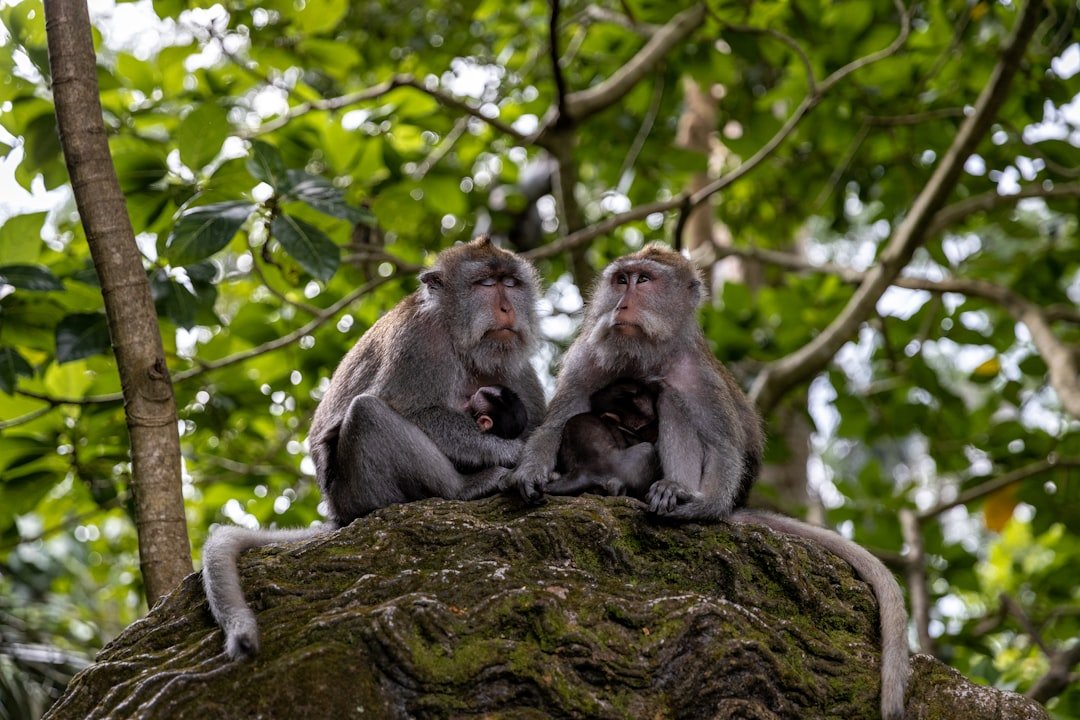
A visit to Ubud’s rice terraces can be seamlessly complemented by exploring other attractions within this culturally rich region. The Sacred Monkey Forest Sanctuary is one such destination where visitors can encounter playful long-tailed macaques amidst ancient temples and lush jungle surroundings. This sanctuary not only provides an opportunity for wildlife observation but also highlights conservation efforts aimed at protecting both monkeys and their habitat.
Art enthusiasts will find Ubud’s vibrant art scene captivating; galleries showcasing traditional Balinese paintings coexist with contemporary art spaces featuring local artists’ work. The Neka Art Museum offers an extensive collection of Balinese art spanning various periods while providing insights into cultural influences on artistic expression. For those interested in wellness and relaxation, Ubud is renowned for its yoga retreats and wellness centers that promote holistic health practices rooted in Balinese traditions.
Participating in yoga classes or indulging in spa treatments can enhance one’s experience of tranquility amidst nature. In conclusion, Ubud’s rice terraces are not just agricultural marvels; they are living embodiments of Balinese culture and spirituality that invite exploration and appreciation from all who visit. With careful planning and respect for local customs, travelers can enjoy an enriching experience that connects them deeply with this enchanting part of Bali.
FAQs
Where are the rice terraces around Ubud located?
The rice terraces around Ubud are located in the central part of Bali, Indonesia. They are primarily found in the villages surrounding Ubud, such as Tegallalang and Jatiluwih.
What makes the rice terraces around Ubud special?
The rice terraces are known for their stunning, lush green landscapes and traditional Balinese irrigation system called “subak,” which is a UNESCO World Heritage cultural practice. The terraces offer picturesque views and a glimpse into Bali’s agricultural heritage.
When is the best time to visit the rice terraces near Ubud?
The best time to visit is during the dry season, from April to October, when the weather is pleasant and the terraces are vibrant green. Visiting early in the morning or late afternoon provides cooler temperatures and better lighting for photography.
Are there guided tours available for walking through the rice terraces?
Yes, there are many guided tours available that offer walking experiences through the rice terraces. These tours often include local guides who explain the farming techniques, cultural significance, and history of the area.
Is it necessary to have a guide when walking through the rice terraces?
While it is not mandatory to have a guide, hiring one can enhance the experience by providing valuable insights and ensuring you follow the proper paths without disturbing the farmers or crops.
What should I wear when walking through the rice terraces?
Wear comfortable walking shoes with good grip, lightweight clothing suitable for warm weather, and a hat or sunscreen for sun protection. It is also advisable to bring insect repellent and water.
Are the rice terraces accessible for all fitness levels?
The terraces involve walking on uneven and sometimes steep paths, so a moderate level of fitness is recommended. However, many routes can be adjusted to suit different fitness levels.
Can I take photographs in the rice terraces?
Yes, photography is allowed and highly encouraged. The terraces provide excellent opportunities for landscape and cultural photography.
Are there any entrance fees to visit the rice terraces?
Some rice terraces, like those in Tegallalang, may charge a small entrance or parking fee to help maintain the area. Fees vary depending on the location.
What other activities can I do around the rice terraces near Ubud?
Besides walking and photography, visitors can enjoy local cafes and restaurants with terrace views, visit nearby temples, participate in cultural workshops, and explore traditional Balinese villages.