
Personal injury claims are legal disputes that occur when an individual sustains injury as a result of another party’s negligence or intentional wrongful conduct. These claims cover various types of incidents, such as motor vehicle accidents, premises liability accidents, medical malpractice, and occupational injuries. When an insurance company denies a claim, the injured party may experience significant frustration and disappointment.
It is important for individuals involved in these matters to understand the specific reasons and circumstances surrounding claim denials, as the legal process can be complex and multifaceted. Denials may result from multiple causes, including inadequate evidence, failure to follow proper procedures, or the insurer’s determination that liability cannot be established. A claim denial does not automatically indicate that the injured party lacks a legitimate case.
In many instances, claims are rejected due to misunderstandings or inadequate communication between the claimant and the insurance company. For example, an insurance adjuster may interpret the available evidence in a manner that differs from the claimant’s interpretation, resulting in a denial based on their conclusion that liability has not been proven or that injury documentation is insufficient. Claimants should understand that a denial represents an opportunity to reevaluate their strategy and obtain additional evidence to strengthen their case, rather than a final determination of their claim’s validity.
Reasons for Denial of Personal Injury Claims
There are several common reasons why personal injury claims may be denied. One prevalent reason is the lack of sufficient evidence to support the claim. Insurance companies often require comprehensive documentation, including medical records, accident reports, and witness statements, to substantiate the claimant’s assertions.
If any of these elements are missing or incomplete, the insurer may deny the claim on the grounds that it cannot be adequately evaluated. For example, if a claimant fails to obtain a police report following a car accident, the insurance company may question the validity of their account and deny compensation. Another frequent cause for denial is the issue of liability.
Insurers will closely examine who is at fault in an accident or incident. If they determine that the claimant shares a significant portion of the blame—often referred to as comparative negligence—the claim may be denied or reduced in value. For instance, in a slip and fall case where the injured party was found to be trespassing or ignoring warning signs, the insurance company might argue that the claimant’s actions contributed to their injuries, leading to a denial.
Additionally, claims can be denied if they fall outside the policy limits or if the injury occurred after the policy had lapsed.
Steps to Take After a Denied Personal Injury Claim
Receiving a denial letter can be disheartening, but it is essential for claimants to remain proactive in addressing the situation. The first step after a denial is to carefully review the denial letter itself. This document typically outlines the reasons for the denial and provides insight into what specific evidence or documentation may be lacking.
By understanding these details, claimants can identify areas where they may need to strengthen their case or gather additional information. Once the reasons for denial are clear, claimants should consider gathering further evidence to support their claim. This may involve obtaining additional medical records, securing witness statements, or even revisiting the scene of the incident to document conditions that may have contributed to their injuries.
In some cases, it may be beneficial to consult with experts who can provide professional opinions on aspects of the case, such as accident reconstruction specialists in car accident claims. By bolstering their evidence and addressing the specific concerns raised by the insurer, claimants can improve their chances of successfully appealing the denial.
Seeking Legal Assistance for Denied Personal Injury Claims
Navigating a denied personal injury claim can be complex and overwhelming, particularly for individuals who are already dealing with physical and emotional distress from their injuries. Seeking legal assistance can provide invaluable support during this challenging time. A personal injury attorney specializes in these types of cases and can offer guidance on how to effectively respond to a denial.
They can help claimants understand their rights and options while ensuring that all necessary documentation is properly prepared and submitted. Moreover, an attorney can assist in negotiating with insurance companies on behalf of their clients. Insurance adjusters are trained professionals who often have extensive experience in handling claims; therefore, having an attorney who understands the intricacies of personal injury law can level the playing field.
An attorney can advocate for fair compensation by presenting a well-structured case that addresses any concerns raised by the insurer during the initial review process. This legal representation can significantly increase the likelihood of overturning a denial and securing a favorable outcome.
Options for Appealing a Denied Personal Injury Claim
| Legal Option | Description | Typical Timeframe | Success Rate | Key Considerations |
|---|---|---|---|---|
| Request for Reconsideration | Filing a formal request to the insurance company to review the denied claim again. | 30-60 days | 30-50% | Requires new evidence or clarification; often the first step after denial. |
| Filing an Appeal | Submitting an appeal to the insurance company or claims adjuster to overturn the denial. | 60-90 days | 40-60% | Must follow insurer’s appeal process; legal representation recommended. |
| Mediation | Engaging a neutral third party to facilitate a settlement between claimant and insurer. | 1-3 months | 50-70% | Less formal, less costly than court; requires willingness to compromise. |
| Filing a Lawsuit | Taking legal action in court to pursue compensation for the injury. | 6 months to several years | Varies widely | Can be costly and time-consuming; may result in higher compensation. |
| Complaint to State Insurance Department | Filing a complaint with the state regulatory agency overseeing insurance companies. | 1-6 months | Varies | May prompt insurer review; does not guarantee claim approval. |
| Consulting a Personal Injury Attorney | Seeking professional legal advice to evaluate options and strengthen the claim. | Varies | Improves chances of success | Attorney fees may be contingency-based; critical for complex cases. |
When faced with a denied personal injury claim, claimants have several options for appealing the decision. The first step in this process typically involves submitting an appeal letter to the insurance company. This letter should clearly outline why the claimant believes the denial was unjustified and include any new evidence or documentation that supports their case.
It is crucial for this letter to be well-organized and persuasive, as it serves as an opportunity to present a compelling argument for reconsideration. In addition to submitting an appeal letter, claimants may also consider requesting a formal review of their case by an independent third party. Some insurance policies include provisions for mediation or arbitration as part of their dispute resolution process.
These methods allow both parties to present their cases before an impartial mediator or arbitrator who can help facilitate a resolution. Engaging in mediation can often lead to a more amicable settlement without resorting to litigation, which can be time-consuming and costly.
Litigation as a Last Resort for Denied Personal Injury Claims
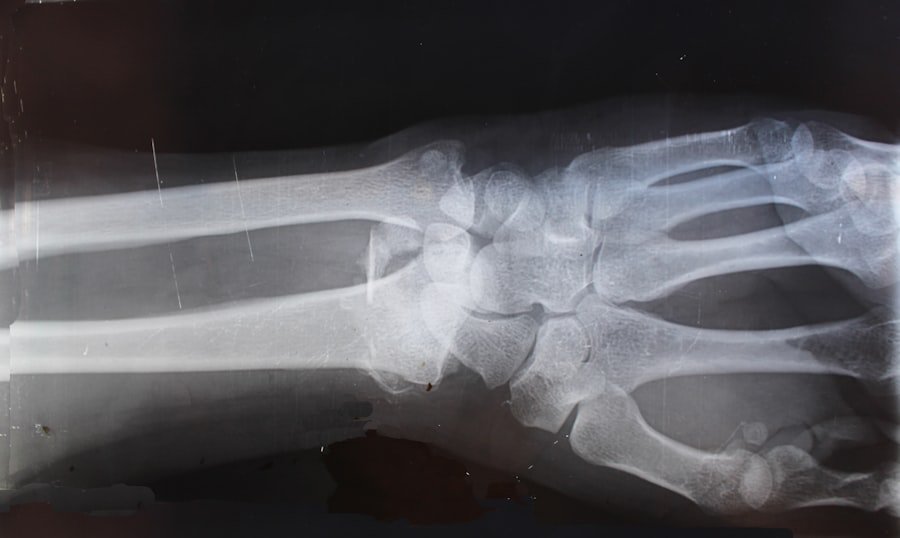
If all attempts at appealing a denied personal injury claim fail, litigation may become necessary as a last resort. Filing a lawsuit allows claimants to take their case before a judge or jury, seeking compensation through the court system. However, litigation should be approached with caution due to its inherent complexities and potential costs involved.
Before proceeding with this option, it is essential for claimants to consult with their attorney about the viability of their case and whether they have sufficient evidence to support their claims in court. The litigation process involves several stages, including filing a complaint, discovery (where both parties exchange information), pre-trial motions, and potentially a trial itself. Each stage requires careful preparation and adherence to legal procedures.
Claimants must be prepared for the possibility that litigation could take months or even years to resolve, depending on various factors such as court schedules and case complexity. While litigation can ultimately lead to a favorable outcome if successful, it is often seen as a lengthy and uncertain path compared to other options available for resolving denied claims.
The Role of a Personal Injury Attorney in Resolving Denied Claims
A personal injury attorney plays a pivotal role in navigating denied claims and advocating for clients’ rights throughout the process. Their expertise in personal injury law equips them with the knowledge necessary to identify potential weaknesses in a case and develop strategies to address them effectively. From gathering evidence to negotiating with insurance companies, attorneys serve as essential allies for individuals seeking compensation for their injuries.
Additionally, attorneys can provide valuable insights into whether pursuing an appeal or litigation is in their clients’ best interests based on their unique circumstances. They understand how insurance companies operate and can anticipate potential arguments that may arise during negotiations or court proceedings. By leveraging their experience and skills, personal injury attorneys work diligently to ensure that clients receive fair treatment and just compensation for their injuries.
Tips for Preventing Denied Personal Injury Claims
While it is impossible to guarantee that a personal injury claim will not be denied, there are several proactive steps individuals can take to minimize this risk. First and foremost, thorough documentation is critical from the outset of any personal injury case. This includes obtaining medical records immediately following an injury, documenting all expenses related to treatment, and keeping detailed notes about conversations with insurance representatives.
Additionally, individuals should avoid making statements that could be construed as admitting fault at any point during the claims process. Even seemingly innocuous comments can be used against them later on by insurance companies seeking to deny liability. It is also advisable for claimants to consult with an attorney before communicating with insurers or signing any documents related to their claims; legal guidance can help ensure that they do not inadvertently jeopardize their chances of receiving compensation.
By taking these precautions and remaining vigilant throughout the claims process, individuals can better position themselves for success in pursuing personal injury claims while reducing the likelihood of facing denials along the way.
FAQs
What should I do if my personal injury claim is denied?
If your personal injury claim is denied, you should first review the denial letter carefully to understand the reasons. Then, gather all relevant documentation and evidence related to your injury and claim. It is advisable to consult with a personal injury attorney who can help you evaluate your options and potentially assist in appealing the denial or filing a lawsuit.
Can I appeal a denied personal injury claim?
Yes, most insurance companies and claim processes allow for an appeal if your personal injury claim is denied. The appeal process typically involves submitting additional evidence or documentation to support your claim and requesting a review of the decision.
How long do I have to take legal action after a personal injury claim is denied?
The time limit to take legal action after a claim denial is governed by the statute of limitations, which varies by state and the type of injury. It is important to act promptly and consult with an attorney to ensure you do not miss any deadlines.
What are common reasons for personal injury claim denials?
Common reasons for denial include insufficient evidence of injury or fault, missed filing deadlines, policy exclusions, disputes over liability, or failure to follow medical treatment recommendations.
Is hiring a lawyer necessary if my personal injury claim is denied?
While not always required, hiring a personal injury lawyer is highly recommended if your claim is denied. An attorney can help navigate the appeals process, negotiate with insurance companies, and represent you in court if necessary.
Can I file a lawsuit if my personal injury claim is denied?
Yes, if your claim is denied and negotiations or appeals fail, you may have the option to file a personal injury lawsuit against the responsible party to seek compensation through the court system.
What types of compensation can I seek if my personal injury claim is denied but I pursue legal action?
If you pursue legal action, you may seek compensation for medical expenses, lost wages, pain and suffering, emotional distress, and other damages related to your injury.
How can I strengthen my personal injury claim after a denial?
To strengthen your claim, gather comprehensive medical records, witness statements, photographs of the injury or accident scene, and any other relevant evidence. Working with an attorney can also help ensure your claim is properly documented and presented.