
Morning meditation is a practice that can help establish a positive mental state at the beginning of the day. When practiced early in the morning, meditation allows people to develop calmness and mental clarity before facing daily responsibilities. The peaceful environment of early morning hours offers an opportunity for self-reflection and increased awareness of one’s thoughts and emotions.
Regular morning meditation has been associated with improved concentration, lower stress, and better overall well-being throughout the day. Research in neuroscience has documented several measurable effects of meditation on brain function. Studies indicate that consistent meditation practice can produce physical changes in brain structure, particularly in regions responsible for emotional processing and stress management.
The amygdala, a brain structure involved in emotional responses, shows reduced activity with regular meditation practice. This adaptation of the brain’s neural pathways can strengthen emotional stability and contribute to a more positive perspective. Establishing a morning meditation routine may therefore provide significant benefits for mental and emotional health.
Creating the Right Environment for Morning Meditation
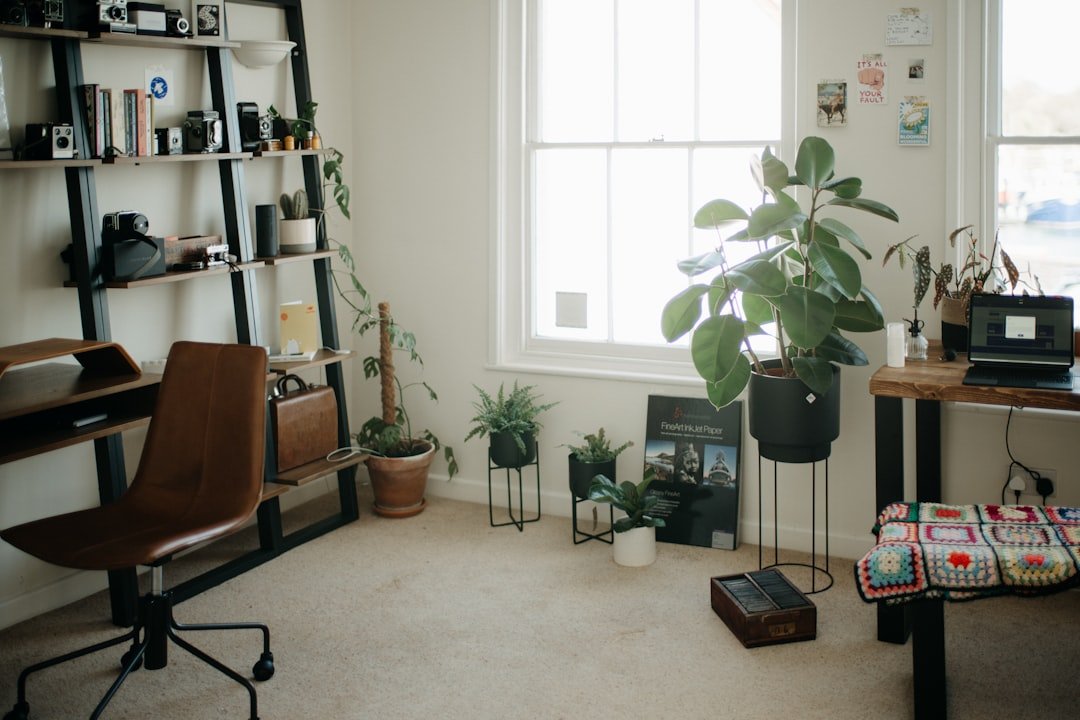
Establishing an optimal environment for morning meditation is essential for fostering a conducive atmosphere. The space should be quiet, free from distractions, and imbued with a sense of tranquility. Consider choosing a specific corner of your home that feels inviting and peaceful.
This could be a cozy nook by a window where natural light filters in or a serene spot in your garden surrounded by nature. Personalizing this space with elements that resonate with you—such as soft cushions, calming colors, or inspiring artwork—can enhance your meditation experience. In addition to physical surroundings, the sensory aspects of your environment play a significant role in your meditation practice.
Incorporating soothing sounds, such as gentle music or nature sounds, can help create a calming backdrop. Aromatherapy can also be beneficial; using essential oils like lavender or sandalwood can promote relaxation and focus. Furthermore, ensuring that the temperature is comfortable and that you are dressed in loose, comfortable clothing can help you settle into your practice without distraction.
By thoughtfully curating your meditation environment, you set the stage for a more profound and enriching experience.
Tips for Consistency in Morning Meditation

Establishing consistency in morning meditation can be challenging, especially amidst the hustle and bustle of daily life. One effective strategy is to integrate meditation into your existing morning routine. For instance, consider pairing your meditation practice with another habitual activity, such as brushing your teeth or making your morning coffee.
By anchoring meditation to an established behavior, you create a seamless transition that makes it easier to remember and commit to your practice. Another helpful approach is to set realistic goals for your meditation sessions. Starting with just five minutes each morning can make the practice feel more manageable and less daunting.
As you become more comfortable, gradually increase the duration of your sessions. Additionally, utilizing reminders—whether through smartphone apps or sticky notes placed in visible locations—can serve as gentle nudges to encourage you to meditate regularly. By cultivating a sense of routine and accountability, you can foster a lasting commitment to morning meditation.
Techniques for Deepening Your Morning Meditation Practice
To deepen your morning meditation practice, exploring various techniques can be immensely beneficial. One popular method is mindfulness meditation, which involves focusing on the present moment without judgment. This technique encourages practitioners to observe their thoughts and feelings as they arise, fostering a greater awareness of their mental landscape.
By dedicating time each morning to simply observe your breath or bodily sensations, you cultivate a sense of presence that can enhance your overall meditation experience. Another technique worth exploring is loving-kindness meditation (metta). This practice involves silently repeating phrases that express goodwill and compassion towards oneself and others.
Starting with yourself, you might say, “May I be happy; may I be healthy; may I be safe.” Gradually extending these wishes to loved ones, acquaintances, and even those with whom you have difficulties can create a profound sense of connection and empathy. Incorporating such techniques into your morning routine not only enriches your practice but also fosters emotional growth and resilience.
Overcoming Common Challenges in Morning Meditation
| Step | Action | Recommended Duration | Frequency | Tips for Success | Expected Benefits |
|---|---|---|---|---|---|
| 1 | Set a consistent wake-up time | 5 minutes (initially) | Daily | Use an alarm and place it away from the bed | Improved discipline and routine |
| 2 | Create a dedicated meditation space | 5 minutes to prepare | Daily | Keep the space clean and inviting | Enhanced focus and comfort |
| 3 | Start with guided meditations | 5-10 minutes | Daily | Use apps or online resources | Better understanding of meditation techniques |
| 4 | Set a realistic goal | 5-10 minutes | Daily | Begin with short sessions and gradually increase | Reduced overwhelm and increased adherence |
| 5 | Track your progress | 2 minutes | Daily | Use a journal or app to log sessions | Motivation and accountability |
| 6 | Incorporate reminders | 1 minute | Daily | Set phone notifications or sticky notes | Consistency in practice |
| 7 | Be patient and flexible | Ongoing | Daily | Allow for missed days without guilt | Long-term habit formation |
Despite the numerous benefits of morning meditation, practitioners often encounter challenges that can hinder their progress. One common obstacle is the tendency for the mind to wander during meditation sessions. It’s important to recognize that this is a natural part of the process; even seasoned meditators experience distractions.
When you notice your thoughts drifting, gently guide your focus back to your breath or chosen point of concentration without self-judgment. This practice of returning to the present moment strengthens your mindfulness skills over time. Another challenge many face is finding the motivation to meditate consistently, especially on busy mornings.
To combat this, consider establishing a ritual around your practice that makes it feel special and rewarding. This could involve lighting a candle, playing soft music, or enjoying a warm cup of tea before or after your session. By creating an enjoyable routine surrounding your meditation practice, you may find it easier to prioritize this time for yourself amidst the demands of daily life.
Incorporating Mindfulness into Your Morning Routine

Incorporating mindfulness into your morning routine extends beyond formal meditation sessions; it can permeate various aspects of your daily activities. For instance, while brushing your teeth or showering, focus on the sensations involved—notice the texture of the toothbrush against your gums or the warmth of water cascading over your skin. Engaging fully in these moments cultivates mindfulness and helps ground you in the present.
Additionally, consider practicing mindful eating during breakfast. Instead of rushing through your meal while scrolling through your phone or planning your day, take time to savor each bite. Pay attention to the flavors, textures, and aromas of your food.
This not only enhances your enjoyment but also fosters a deeper connection with your body’s needs and signals. By weaving mindfulness into everyday activities, you create a holistic approach that complements your formal morning meditation practice.
Tracking Your Progress and Celebrating Milestones
Tracking progress in your morning meditation journey can provide valuable insights into your growth and development as a practitioner. Keeping a journal dedicated to your experiences allows you to reflect on how meditation impacts your mood, focus, and overall well-being over time. Documenting specific insights or challenges encountered during sessions can help identify patterns and areas for improvement.
Celebrating milestones is equally important in maintaining motivation and enthusiasm for your practice. Whether it’s reaching a certain number of consecutive days meditated or achieving a personal best in session length, acknowledging these accomplishments reinforces positive behavior. Consider treating yourself to something special—a new journal, a relaxing bath, or even sharing your journey with friends or family members who support your growth.
These celebrations serve as reminders of how far you’ve come and inspire continued commitment to your morning meditation practice.
Building a Support System for Your Morning Meditation Habit
Creating a support system can significantly enhance your commitment to morning meditation. Engaging with like-minded individuals who share similar goals fosters accountability and encouragement. Consider joining local meditation groups or online communities where members share their experiences and insights.
Participating in group meditations can also provide motivation and inspiration as you witness others’ journeys alongside yours. Additionally, enlisting friends or family members to join you in your morning practice can create a sense of camaraderie and shared purpose. Establishing regular check-ins or discussions about each other’s experiences can deepen connections while reinforcing commitment to the practice.
By surrounding yourself with supportive individuals who understand the value of morning meditation, you cultivate an environment that nurtures growth and resilience in your journey toward mindfulness and self-discovery.
FAQs
What are the benefits of a morning meditation habit?
Morning meditation can help reduce stress, improve focus, enhance emotional well-being, and set a positive tone for the day ahead.
How long should my morning meditation sessions be?
Beginners can start with 5 to 10 minutes and gradually increase the duration as they become more comfortable with the practice.
What is the best time to meditate in the morning?
The best time is typically right after waking up, before starting daily activities, when the mind is still calm and less distracted.
Do I need any special equipment to meditate in the morning?
No special equipment is necessary. A quiet space and a comfortable seat are usually sufficient to begin meditating.
How can I stay consistent with my morning meditation habit?
Setting a regular time, creating a dedicated meditation space, starting with short sessions, and using reminders or apps can help maintain consistency.
Can meditation help with anxiety and stress?
Yes, regular meditation has been shown to reduce symptoms of anxiety and stress by promoting relaxation and mindfulness.
Is it necessary to follow a specific meditation technique?
No, there are various techniques such as mindfulness, guided meditation, or breathing exercises. Choose one that feels comfortable and effective for you.
What should I do if my mind wanders during meditation?
It is normal for the mind to wander. Gently bring your focus back to your breath or chosen point of attention without judgment.
Can I combine meditation with other morning routines?
Yes, meditation can be integrated with activities like stretching, journaling, or light exercise to create a holistic morning routine.
How long does it take to build a lasting meditation habit?
Building a habit can vary by individual, but consistent practice for at least 21 to 30 days often helps establish a lasting routine.