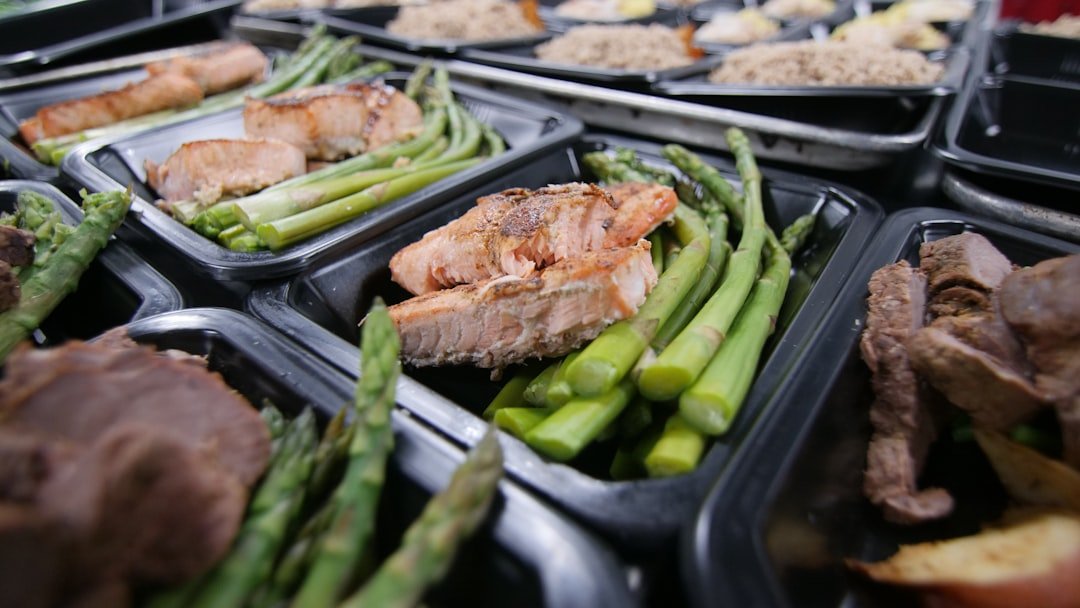
Selecting the appropriate containers for food storage is a fundamental step in maintaining freshness and preventing spoilage. The material of the container plays a crucial role in its effectiveness. Glass containers are non-reactive and do not leach chemicals into food, making them an excellent choice for storing acidic items like tomato sauce or citrus-based dishes.
They are also microwave-safe and can be used in the oven, provided they are not subjected to sudden temperature changes. Plastic containers are lightweight and often come with airtight seals, which help keep food fresh. However, it is essential to choose BPA-free plastics to avoid potential health risks associated with certain chemicals found in some plastics.
In addition to material, the size and shape of containers should be considered based on the type of food being stored. Wide-mouth jars are ideal for storing grains or pasta, as they allow for easy access and pouring. Tall and narrow containers are better suited for items like snacks or leftovers that can be stacked vertically.
Investing in a variety of container sizes enhances flexibility in food storage, allowing for efficient use of space in both the refrigerator and pantry. The right containers preserve food quality and contribute to a more organized kitchen environment.
Proper Portioning Techniques
Effective portioning techniques are essential for minimizing food waste and ensuring that meals are appropriately sized for consumption. One effective method is to use measuring cups or a kitchen scale to determine the right amount of food for each serving. This practice is particularly beneficial when preparing meals in advance, as it allows for precise control over calorie intake and nutritional balance.
For example, when meal prepping for the week, one might portion out cooked quinoa into individual containers alongside roasted vegetables and protein sources like chicken or tofu. This not only streamlines meal preparation but also helps individuals adhere to dietary goals. Another technique involves using visual cues to gauge portion sizes.
The palm of your hand can serve as a guide; for instance, a serving of protein should roughly match the size of your palm, while carbohydrates can be about the size of your fist. This method is particularly useful when dining out or when measuring tools are not readily available. By understanding portion sizes intuitively, individuals can make healthier choices without the need for constant measurement.
Additionally, portioning meals into smaller containers can encourage mindful eating, as it allows individuals to focus on their food without distractions.
Utilizing Stackable and Nesting Containers
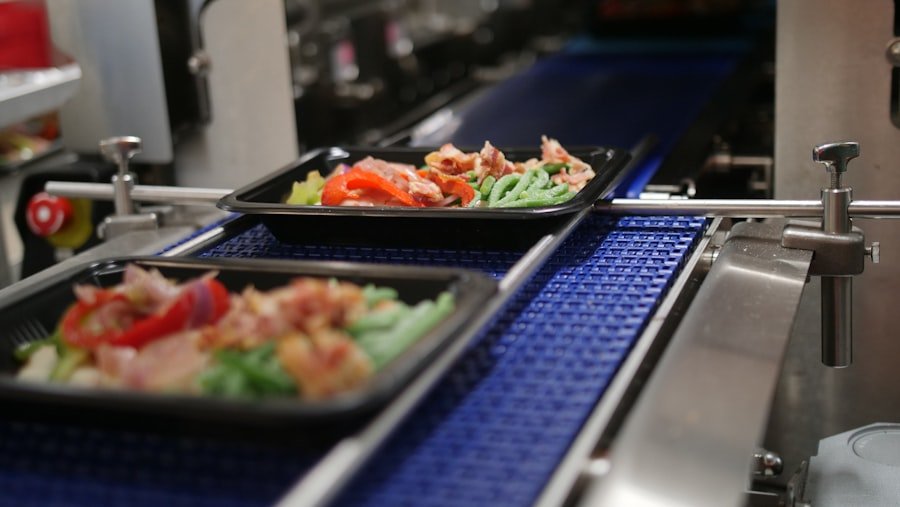
Stackable and nesting containers are invaluable assets in any kitchen, particularly for those with limited storage space. These designs allow for efficient use of vertical space, making it easier to keep the kitchen organized and clutter-free. Stackable containers often come with uniform shapes that fit neatly on top of one another, maximizing shelf space in both refrigerators and cabinets.
For example, a set of stackable glass containers can be used to store various meal components—such as grains, proteins, and vegetables—while maintaining a tidy appearance. Nesting containers take this concept a step further by allowing multiple containers to fit inside one another when not in use. This feature is particularly advantageous for those who frequently cook in batches or prepare meals ahead of time.
When not needed, these containers can be stored compactly, freeing up valuable kitchen real estate. Moreover, many nesting sets come with interchangeable lids that fit multiple sizes, reducing the need for an extensive collection of mismatched lids and containers. This organization not only enhances efficiency but also simplifies the process of finding the right container when it’s time to store leftovers or meal prep.
Labeling and Organizing
Labeling food storage containers is a simple yet effective strategy for maintaining organization in the kitchen. Clear labels help identify contents quickly, reducing the likelihood of forgotten leftovers or expired items lurking at the back of the fridge. Using a label maker or even simple masking tape and a permanent marker can create an efficient system that works for any household.
For instance, labeling containers with dates ensures that older items are consumed first, promoting a “first in, first out” approach that minimizes waste. In addition to labeling contents, organizing containers by category can further streamline meal preparation and cooking processes. Grouping similar items together—such as grains, proteins, and vegetables—creates an intuitive system that makes it easy to find what you need when preparing meals.
Utilizing clear containers also allows for quick visual checks of inventory levels, helping to prevent overbuying or running out of essential ingredients. This organizational strategy not only saves time but also fosters a more enjoyable cooking experience by creating a well-ordered kitchen environment.
Freezing and Reheating Tips
| Tip | Metric/Example | Benefit | Waste Reduction Impact |
|---|---|---|---|
| Choose the Right Size Containers | Use containers ranging from 1 cup to 4 cups based on meal portion | Prevents over-portioning and food spoilage | Reduces food waste by up to 20% |
| Label Containers with Date and Contents | Use waterproof labels or markers | Helps track freshness and avoid eating spoiled food | Extends food usability by 2-3 days |
| Use Airtight Containers | Containers with secure seals and lids | Maintains food freshness longer | Reduces spoilage waste by 15% |
| Freeze Portions for Later Use | Freeze meals in portioned containers | Prevents food from going bad before consumption | Extends shelf life by up to 3 months |
| Repurpose Leftover Containers | Reuse containers for snacks or storage | Minimizes single-use plastic waste | Reduces container waste by 30% |
| Plan Meals According to Container Availability | Match meal prep volume to container count | Prevents unused food and containers | Improves efficiency and reduces waste by 10% |
Freezing is an excellent method for extending the shelf life of various foods while preserving their nutritional value. However, proper freezing techniques are essential to prevent freezer burn and maintain quality. When freezing items like soups or stews, it’s advisable to leave some space at the top of the container to allow for expansion as liquids freeze.
Additionally, using airtight containers or heavy-duty freezer bags can help protect food from exposure to air, which is a primary cause of freezer burn. When it comes time to reheat frozen meals, there are several best practices to follow to ensure optimal results. Thawing food in the refrigerator overnight is often recommended for safety and quality; however, if time is short, using the microwave’s defrost setting can be effective as well.
For soups or stews, reheating on the stovetop allows for even heating and better texture compared to microwaving. It’s also important to stir frequently during reheating to ensure that all parts of the dish reach a safe temperature. By following these tips, individuals can enjoy delicious meals that taste freshly made even after being frozen.
Repurposing Leftovers
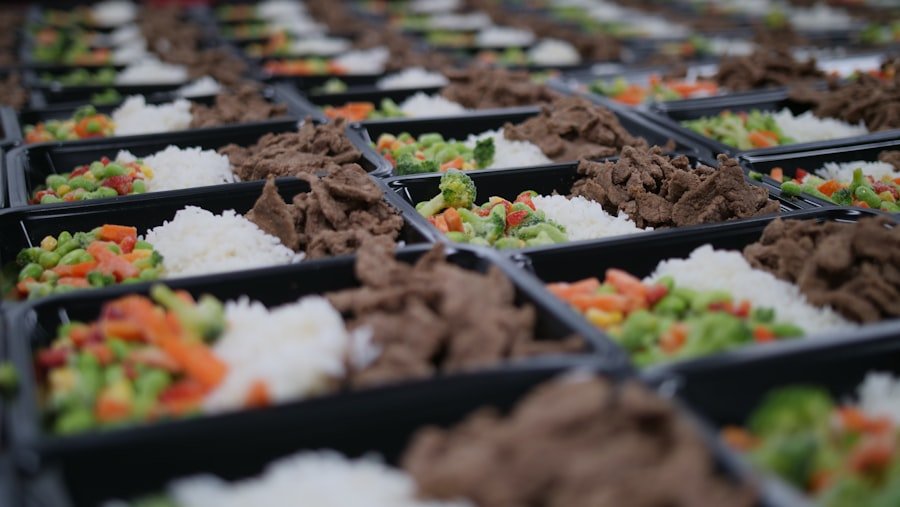
Repurposing leftovers is an innovative way to minimize waste while adding variety to meals throughout the week. Instead of simply reheating last night’s dinner, consider transforming it into a new dish entirely. For example, leftover roasted vegetables can be blended into a creamy soup or tossed into an omelet for breakfast.
Similarly, cooked grains like rice or quinoa can serve as a base for salads or grain bowls when combined with fresh ingredients and dressings. Another creative approach involves using leftover proteins in different culinary contexts. For instance, grilled chicken from one meal can be shredded and added to tacos or mixed into pasta dishes with sauce and vegetables.
This not only saves time but also encourages culinary creativity by challenging cooks to think outside the box when it comes to meal planning. By repurposing leftovers effectively, individuals can enjoy diverse meals while reducing food waste significantly.
Extending Shelf Life with Vacuum Sealing
Vacuum sealing is a powerful technique that significantly extends the shelf life of various foods by removing air from storage bags or containers. This method is particularly effective for perishable items such as meats, cheeses, and fruits that are prone to spoilage due to oxidation and moisture exposure. By vacuum sealing these items before freezing or refrigerating them, individuals can preserve their freshness for much longer periods compared to traditional storage methods.
The process of vacuum sealing involves using a specialized machine that removes air from bags before sealing them tightly. This not only prevents freezer burn but also helps maintain flavor and texture over time. For example, marinating meats in vacuum-sealed bags allows flavors to penetrate more deeply while also reducing marinating time significantly.
Additionally, vacuum-sealed fruits can be stored without risk of browning or spoilage for weeks longer than if stored conventionally. This technique is especially beneficial for bulk purchases or seasonal produce that may otherwise go bad before being consumed.
Sustainable and Eco-Friendly Options
As awareness of environmental issues grows, many individuals are seeking sustainable and eco-friendly options for food storage that minimize their ecological footprint. One popular choice is using reusable silicone bags instead of single-use plastic bags for storing snacks or leftovers. These bags are durable, dishwasher-safe, and can be used repeatedly without degrading over time, making them an excellent alternative that reduces plastic waste.
Another eco-friendly option includes glass containers with bamboo lids or stainless steel lunch boxes that eliminate reliance on plastic altogether. These materials are not only sustainable but also contribute to a healthier kitchen environment by avoiding harmful chemicals often found in plastics. Additionally, compostable food wraps made from beeswax or plant-based materials offer an alternative way to cover dishes without resorting to plastic wrap.
By incorporating these sustainable practices into daily routines, individuals can contribute positively to environmental conservation while enjoying practical benefits in their food storage solutions.
FAQs
What are meal prep containers?
Meal prep containers are reusable or disposable containers designed to store pre-portioned meals or ingredients. They help organize meals for the week, making it easier to manage portion sizes and maintain a healthy diet.
How can I use meal prep containers effectively?
To use meal prep containers effectively, plan your meals ahead, choose the right container size for each meal, store food properly to maintain freshness, and label containers with dates to track food safety. Also, consider using containers that are microwave and dishwasher safe for convenience.
What materials are meal prep containers made from?
Meal prep containers are commonly made from plastic, glass, or stainless steel. Each material has its benefits: plastic is lightweight and affordable, glass is durable and non-toxic, and stainless steel is long-lasting and eco-friendly.
How do meal prep containers help reduce food waste?
Meal prep containers help reduce food waste by allowing you to portion meals accurately, store leftovers safely, and keep food fresh longer. This reduces the likelihood of food spoiling before it can be eaten.
Can meal prep containers be reused?
Yes, many meal prep containers are designed to be reusable. Choosing durable, reusable containers helps minimize single-use plastic waste and is more environmentally friendly.
Are meal prep containers safe for microwaving and freezing?
Many meal prep containers are microwave and freezer safe, but it is important to check the manufacturer’s instructions. Containers made from glass or certain plastics are typically safe for these uses, while some materials may warp or release harmful chemicals when heated.
How should I clean meal prep containers to avoid waste?
To avoid waste, clean meal prep containers promptly after use with warm, soapy water or in a dishwasher if they are dishwasher safe. Proper cleaning extends the life of the containers and prevents odors or stains.
What size meal prep containers should I use?
The size of meal prep containers depends on your meal portions and dietary needs. Smaller containers are ideal for snacks or side dishes, while larger containers suit main meals. Using appropriately sized containers helps prevent food waste and overeating.
Can meal prep containers help with portion control?
Yes, meal prep containers are an effective tool for portion control. By pre-measuring meals into containers, you can manage calorie intake and maintain a balanced diet.
How do I store meal prep containers to maintain food freshness?
Store meal prep containers in the refrigerator or freezer depending on the food type. Ensure containers are sealed tightly to prevent air exposure, which can cause spoilage. Labeling containers with preparation dates also helps track freshness.