Protein is one of the three macronutrients essential for human health, alongside carbohydrates and fats. It plays a critical role in building and repairing tissues, producing enzymes and hormones, and supporting immune function. Composed of amino acids, which are the building blocks of life, proteins are involved in nearly every biological process.
There are 20 different amino acids, nine of which are classified as essential because the body cannot synthesize them; they must be obtained through diet. This makes protein not just a source of energy but a fundamental component of our cellular structure. The importance of protein extends beyond mere survival; it is vital for growth and development, particularly in children, adolescents, and pregnant women.
For athletes and those engaged in regular physical activity, protein is crucial for muscle repair and recovery. It helps to maintain muscle mass during weight loss and can even aid in fat loss by promoting satiety. The thermic effect of protein is also noteworthy; it requires more energy to digest compared to fats and carbohydrates, which can contribute to a higher metabolic rate.
Thus, understanding protein’s multifaceted role in health is essential for anyone looking to optimize their diet.
Calculating Your Protein Needs
Determining the appropriate amount of protein one needs can vary significantly based on several factors, including age, sex, activity level, and overall health goals. The Recommended Dietary Allowance (RDA) for protein is set at 0.8 grams per kilogram of body weight for the average adult. However, this figure can be misleading for those who are physically active or have specific health goals.
For instance, athletes may require anywhere from 1.2 to 2.0 grams per kilogram to support muscle repair and growth. To calculate your individual protein needs, start by determining your body weight in kilograms (by dividing your weight in pounds by 2.2). Multiply this number by the appropriate factor based on your activity level.
Sedentary individuals may stick to the RDA of 0.8 grams, while those engaged in moderate exercise might aim for 1.0 to 1.2 grams. For strength training or endurance athletes, the recommendation can rise significantly, reflecting the increased demand for muscle recovery and energy replenishment. This personalized approach ensures that you meet your unique physiological requirements.
Choosing High-Protein Foods
When it comes to selecting high-protein foods, variety is key to ensuring a balanced intake of essential amino acids. Animal-based sources such as lean meats, poultry, fish, eggs, and dairy products are often considered complete proteins because they contain all nine essential amino acids in sufficient quantities. For example, chicken breast is not only low in fat but also provides about 31 grams of protein per 100 grams serving, making it an excellent choice for those looking to increase their protein intake.
Plant-based sources of protein are also abundant and can be just as effective when combined appropriately. Legumes such as lentils, chickpeas, and black beans are rich in protein and fiber but may lack one or more essential amino acids when consumed alone. However, pairing them with grains like rice or quinoa can create a complete protein profile.
Nuts and seeds also contribute significantly to protein intake; for instance, almonds provide about 21 grams of protein per 100 grams while also offering healthy fats and fiber. Incorporating a mix of these foods into your diet can help ensure you meet your protein needs while enjoying a diverse range of flavors and nutrients.
Incorporating Protein into Every Meal
Integrating protein into each meal is a strategic approach to ensure you meet your daily requirements without feeling overwhelmed. Breakfast is often overlooked as a potential source of protein; however, options like Greek yogurt topped with nuts or a smoothie made with protein powder can kickstart your day with a solid protein foundation. Eggs are another versatile breakfast option; whether scrambled, poached, or made into an omelet with vegetables, they provide high-quality protein that can keep you satiated until lunch.
Lunch and dinner present further opportunities to boost your protein intake. Incorporating lean meats into salads or grain bowls can enhance both flavor and nutritional value. For instance, adding grilled chicken or tofu to a quinoa salad not only increases the protein content but also adds texture and taste.
Snacks can also be a great way to sneak in additional protein; consider options like cottage cheese with fruit, hummus with vegetables, or a handful of edamame. By consciously including protein-rich foods in every meal and snack, you can easily reach your daily goals while enjoying a variety of delicious dishes.
Balancing Protein with Other Nutrients
| Metric | Recommended Amount | Tips for Optimization | Notes |
|---|---|---|---|
| Daily Protein Intake | 0.8 – 1.2 grams per kg body weight | Calculate based on lean body mass, not total weight | Adjust for activity level and goals (e.g., muscle gain) |
| Protein per Meal | 20-30 grams | Distribute evenly across 3-5 meals | Supports muscle protein synthesis effectively |
| Protein Sources | Varied (animal & plant-based) | Include lean meats, dairy, legumes, nuts, and seeds | Ensures complete amino acid profile |
| Calorie Control | Maintain daily caloric needs | Track total calories to avoid overeating | Protein is satiating but excess calories lead to fat gain |
| Meal Timing | Every 3-4 hours | Helps maintain steady amino acid levels | Pre/post workout protein intake enhances recovery |
| Hydration | 2-3 liters per day | Drink water with protein meals | Supports kidney function and digestion |
| Supplementation | Optional (e.g., whey, casein) | Use to meet protein goals if needed | Not a substitute for whole foods |
While protein is crucial for health, it is essential to maintain a balanced diet that includes carbohydrates and fats as well. Carbohydrates serve as the body’s primary energy source, particularly during high-intensity exercise. Whole grains, fruits, and vegetables provide not only energy but also vital vitamins and minerals that support overall health.
For example, pairing a high-protein food like grilled salmon with a side of brown rice and steamed broccoli creates a well-rounded meal that offers a spectrum of nutrients. Fats are equally important; they play a role in hormone production and nutrient absorption while providing energy reserves for the body. Healthy fats found in avocados, olive oil, nuts, and fatty fish contribute to heart health and can enhance the absorption of fat-soluble vitamins A, D, E, and K.
Striking the right balance between these macronutrients ensures that you not only meet your protein needs but also support overall health and well-being. A well-rounded plate should include a source of protein, healthy fats, and complex carbohydrates to provide sustained energy throughout the day.
Avoiding Overeating while Maximizing Protein Intake
One common challenge when increasing protein intake is the risk of overeating or consuming excessive calories overall. While protein can promote satiety and help control hunger levels, it is still important to be mindful of portion sizes and overall caloric intake. One effective strategy is to focus on whole foods rather than processed high-protein products that may be calorie-dense or contain added sugars and unhealthy fats.
Incorporating more fruits and vegetables into your meals can help fill you up without adding excessive calories. These foods are typically low in calories but high in fiber and water content, which can enhance feelings of fullness. For instance, adding a large salad filled with leafy greens, cucumbers, and tomatoes alongside a serving of grilled chicken can create a satisfying meal that keeps calorie counts in check while maximizing nutrient intake.
Additionally, being aware of your hunger cues and eating mindfully can help prevent overeating while still allowing you to enjoy high-protein foods.
Tips for Increasing Protein Intake for Vegetarians and Vegans
For vegetarians and vegans, increasing protein intake requires thoughtful planning to ensure that all essential amino acids are consumed without relying on animal products. Legumes such as lentils, chickpeas, and beans are excellent sources of plant-based protein; they can be incorporated into soups, stews, salads, or even made into spreads like hummus. Tofu and tempeh are versatile soy products that can take on various flavors through marinades and cooking methods.
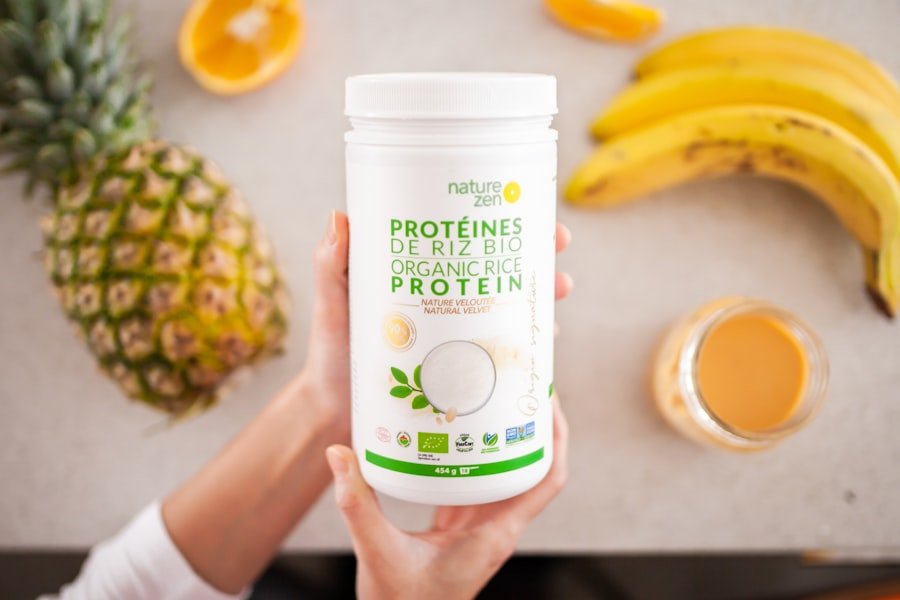
Nuts and seeds also play a significant role in plant-based diets; they can be added to smoothies, oatmeal, or salads for an extra protein boost. Quinoa is another fantastic option as it is one of the few plant foods considered a complete protein; it can serve as a base for grain bowls or side dishes. Additionally, many plant-based protein powders made from pea protein or brown rice can supplement dietary intake effectively when mixed into smoothies or baked goods.
By diversifying sources of plant-based proteins and combining them strategically throughout the day, vegetarians and vegans can meet their nutritional needs without compromising their dietary choices.
Seeking Professional Guidance for Optimal Protein Intake
While self-education about nutrition is valuable, consulting with a registered dietitian or nutritionist can provide personalized guidance tailored to individual needs and goals. These professionals can assess dietary habits, lifestyle factors, and health conditions to create a customized plan that optimizes protein intake while ensuring overall nutritional balance. They can help identify potential deficiencies or excesses in your diet that may not be apparent through self-assessment.
Moreover, professional guidance is particularly beneficial for individuals with specific health concerns such as kidney disease or metabolic disorders where protein intake may need careful management. A dietitian can provide evidence-based recommendations on how to adjust macronutrient ratios while considering personal preferences and lifestyle factors. This tailored approach not only enhances dietary adherence but also promotes long-term health outcomes by ensuring that all nutritional needs are met effectively.
FAQs
What is the recommended daily protein intake for adults?
The recommended daily protein intake for most adults is about 0.8 grams of protein per kilogram of body weight. However, individual needs may vary based on factors such as age, activity level, and health goals.
Why is it important to optimize protein intake without overeating?
Optimizing protein intake ensures you get enough nutrients to support muscle repair, immune function, and overall health without consuming excess calories that can lead to weight gain or digestive discomfort.
How can I increase protein intake without eating large portions?
You can increase protein intake by choosing high-protein foods that are nutrient-dense, such as lean meats, dairy, legumes, eggs, and plant-based protein sources. Incorporating protein-rich snacks and using protein supplements can also help.
Are protein supplements necessary for everyone?
Protein supplements are not necessary for everyone. Most people can meet their protein needs through a balanced diet. Supplements may be helpful for athletes, those with increased protein requirements, or individuals with limited access to protein-rich foods.
Can eating too much protein be harmful?
Consuming excessive protein over a long period may strain the kidneys, cause digestive issues, or lead to nutrient imbalances. It is important to balance protein intake with other macronutrients and overall calorie needs.
What are some signs of inadequate protein intake?
Signs of inadequate protein intake include muscle weakness, fatigue, slow recovery from injuries, hair thinning, and weakened immune function.
How does protein intake affect weight management?
Protein can promote satiety, helping to reduce overall calorie intake and support weight management. It also helps preserve lean muscle mass during weight loss.
Is it better to spread protein intake throughout the day?
Yes, spreading protein intake evenly across meals can improve muscle protein synthesis and enhance nutrient absorption compared to consuming most protein in one meal.
What are some plant-based sources of protein?
Plant-based protein sources include beans, lentils, chickpeas, tofu, tempeh, quinoa, nuts, seeds, and whole grains.
How can I track my protein intake effectively?
You can track protein intake by reading nutrition labels, using food tracking apps, or consulting with a dietitian to ensure you meet your individual protein needs without overeating.