A well-organized wardrobe provides a practical foundation for efficient daily routines and improved decision-making. When clothing is systematically arranged, selecting appropriate outfits becomes faster and more straightforward. An organized wardrobe reduces morning preparation time and minimizes the cognitive burden of choosing what to wear.
Searching through disorganized clothing creates unnecessary stress and delays. In contrast, a structured wardrobe enables quicker selections and provides a sense of control over personal appearance. Organizing your wardrobe also facilitates a clearer understanding of your personal style and actual clothing requirements.
Sorting through garments often reveals forgotten pieces or items that no longer match your current preferences. This process helps identify missing elements in your collection and informs more purposeful future purchases. An organized wardrobe therefore serves a functional purpose beyond visual appeal—it enables the development of a cohesive collection that aligns with your lifestyle and personal identity.
Tips for Decluttering and Sorting Your Clothes
Decluttering your wardrobe can feel like a daunting task, but breaking it down into manageable steps can make the process more approachable. Start by removing all items from your closet and drawers, laying them out in a designated space. This visual representation of your clothing collection can be eye-opening, revealing the sheer volume of items you own.
As you assess each piece, consider the last time you wore it and whether it still fits your current style. A common guideline is the “one-year rule”: if you haven’t worn an item in the past year, it may be time to let it go. This method encourages a more critical evaluation of your clothing, helping you to part with items that no longer serve you.
Sorting clothes into categories can also streamline the decluttering process. Create distinct piles for items you wish to keep, donate, or discard. For instance, you might have a pile for seasonal clothing, work attire, casual wear, and special occasion outfits.
This categorization not only simplifies the decision-making process but also allows you to see which categories are overrepresented in your wardrobe. Once you have sorted through your clothes, consider the condition of each item. Torn or stained clothing may need to be repaired or discarded, while gently used items can be donated to local charities or thrift stores.
This thoughtful approach to decluttering ensures that your wardrobe reflects your current lifestyle while also benefiting others in need.
Utilizing Storage Solutions to Maximize Space
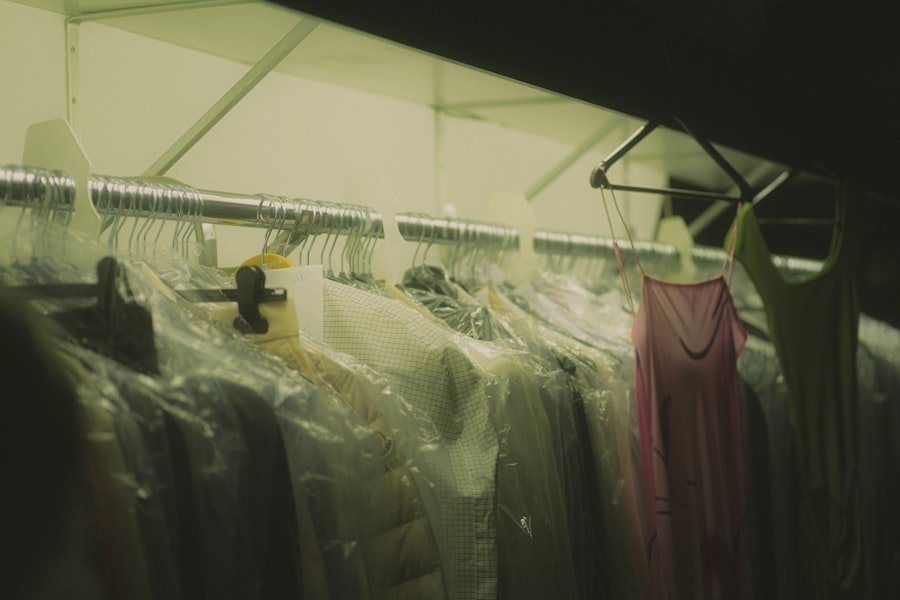
Maximizing space in your wardrobe is essential for maintaining organization and accessibility. One effective strategy is to invest in quality storage solutions that cater to your specific needs. For instance, using slim hangers can save valuable space while keeping garments neatly hung.
Additionally, consider incorporating vertical storage options such as shelves or hanging organizers that utilize the full height of your closet. These solutions not only create more room for clothing but also allow for better visibility of your items, making it easier to find what you need. Another innovative approach is to use clear bins or labeled boxes for seasonal items or accessories.
Storing off-season clothing in labeled containers can free up space for current wardrobe essentials while keeping everything organized and easy to access when needed. Drawer dividers can also be beneficial for smaller items like socks, belts, and jewelry, preventing them from becoming tangled or lost in the depths of a drawer. By implementing these storage solutions, you can create a functional and aesthetically pleasing wardrobe that maximizes every inch of available space.
Creating a Capsule Wardrobe for Versatility
The concept of a capsule wardrobe revolves around curating a small collection of versatile pieces that can be mixed and matched to create numerous outfits. This minimalist approach not only simplifies daily dressing but also encourages intentional purchasing habits. To begin building a capsule wardrobe, start by selecting a color palette that reflects your personal style and complements each other.
Neutral tones often serve as a solid foundation, allowing for easy pairing with bolder accent colors or patterns. When choosing pieces for your capsule wardrobe, focus on quality over quantity. Invest in timeless staples such as a well-fitted blazer, classic jeans, and versatile dresses that can transition from day to night with ease.
Accessories play a crucial role in enhancing the versatility of a capsule wardrobe; a simple change of shoes or jewelry can transform an outfit entirely. By thoughtfully selecting each item based on its ability to work harmoniously with others in the collection, you create a wardrobe that not only simplifies dressing but also reflects your unique style.
Mixing and Matching: Creating New Outfits from Existing Pieces
| Category | Number of Items | Outfit Combinations Possible | Tips for Organization |
|---|---|---|---|
| Tops | 15 | 1,350 | Sort by color and style for easy matching |
| Bottoms | 10 | Use uniform hangers to save space | |
| Outerwear | 9 | Keep seasonal items accessible | |
| Shoes | 12 | Varies | Arrange by type and frequency of use |
| Accessories | 20 | Varies | Use drawer dividers or small containers |
One of the most rewarding aspects of an organized wardrobe is the ability to mix and match existing pieces to create fresh outfits. This practice encourages creativity and resourcefulness while maximizing the potential of your clothing collection. Start by experimenting with different combinations of tops and bottoms; for instance, a classic white button-up shirt can be paired with tailored trousers for a polished look or with distressed jeans for a more casual vibe.
Layering is another effective technique; adding a cardigan or denim jacket can completely change the feel of an outfit. Don’t shy away from incorporating unexpected pairings as well. A floral skirt might look stunning when paired with a graphic tee, creating an eclectic yet stylish ensemble.
Accessories can further enhance these combinations; statement necklaces or bold scarves can add personality and flair to even the simplest outfits. By embracing the art of mixing and matching, you not only breathe new life into your wardrobe but also cultivate a sense of confidence in your fashion choices.
Incorporating Accessories to Elevate Your Look
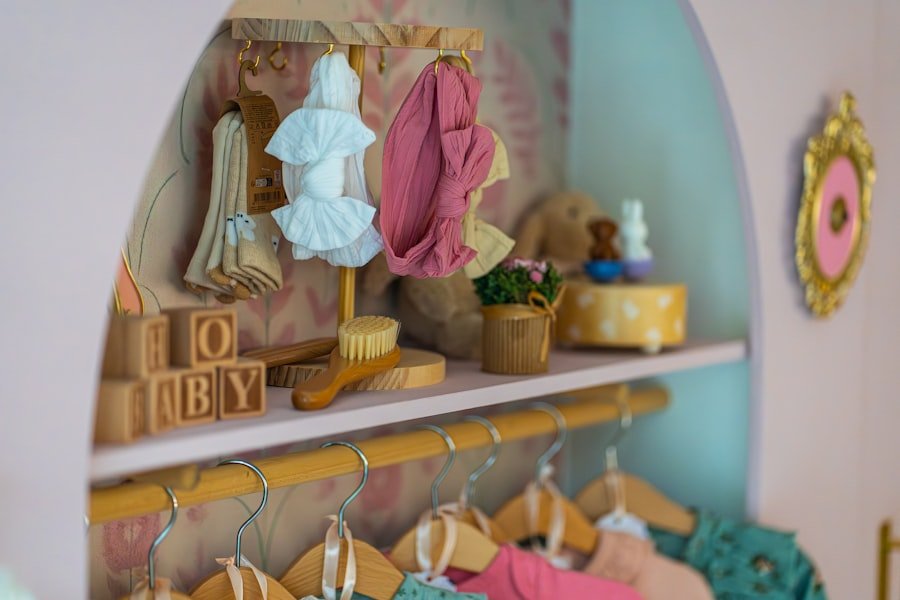
Accessories are often the unsung heroes of any outfit; they have the power to elevate even the simplest ensembles into something extraordinary. When organizing your wardrobe, consider dedicating a specific area for accessories such as jewelry, belts, scarves, and bags. This designated space allows for easy access and encourages experimentation with different combinations.
For example, layering multiple necklaces or stacking bracelets can add depth and interest to an otherwise basic outfit. When selecting accessories, think about how they can complement or contrast with your clothing choices. A bold handbag can serve as a statement piece against neutral attire, while delicate earrings might add an elegant touch to a more casual look.
Additionally, seasonal accessories such as hats or sunglasses can enhance outfits while providing practicality during different times of the year. By thoughtfully incorporating accessories into your wardrobe routine, you can transform everyday outfits into unique expressions of your personal style.
Maintaining Your Organized Wardrobe
Once you have successfully organized your wardrobe, maintaining that order requires ongoing effort and commitment. Establishing a regular schedule for decluttering is essential; consider setting aside time every few months to reassess your clothing collection. This practice not only helps prevent clutter from accumulating but also allows you to stay attuned to changes in your style preferences or lifestyle needs.
Another effective strategy is to adopt the “one-in-one-out” rule: for every new item you bring into your wardrobe, consider removing an existing piece. This approach encourages mindful shopping habits and prevents overaccumulation of clothing. Additionally, regularly rotating seasonal items ensures that everything remains accessible and relevant throughout the year.
By implementing these maintenance strategies, you can preserve the organization of your wardrobe while continuing to enjoy its benefits.
The Benefits of a Well-Organized Wardrobe
The advantages of maintaining a well-organized wardrobe extend far beyond aesthetics; they encompass practical benefits that enhance daily life. An organized wardrobe fosters efficiency by streamlining the dressing process, allowing individuals to quickly find what they need without unnecessary stress or frustration. This efficiency translates into saved time during busy mornings or when preparing for special occasions.
Furthermore, an organized wardrobe promotes financial mindfulness by encouraging thoughtful purchasing decisions. When you have a clear understanding of what you own and what you truly need, it becomes easier to avoid impulse buys that may lead to clutter down the line. Additionally, knowing exactly what is in your collection allows for greater creativity in outfit creation, maximizing the potential of each piece while minimizing wasteful spending on unnecessary items.
In conclusion, organizing your wardrobe is not merely about creating an aesthetically pleasing space; it is about cultivating an environment that reflects your personal style while enhancing efficiency and mindfulness in daily life. By implementing effective decluttering strategies, utilizing smart storage solutions, creating versatile capsule wardrobes, and incorporating accessories thoughtfully, individuals can enjoy the myriad benefits that come with maintaining an organized wardrobe.
FAQs
Why is organizing your wardrobe important for maximizing outfit options?
Organizing your wardrobe helps you see all your clothing items clearly, making it easier to mix and match pieces. This reduces decision fatigue, saves time, and allows you to create more diverse outfits from the clothes you already own.
What are some effective methods for organizing a wardrobe?
Common methods include sorting clothes by category (e.g., tops, bottoms, dresses), color-coding, using uniform hangers, and arranging items by frequency of use or season. Utilizing storage solutions like shelves, bins, and drawer dividers can also help keep items neat and accessible.
How can organizing a wardrobe help with outfit planning?
A well-organized wardrobe allows you to quickly identify complementary pieces and accessories, making it easier to plan outfits in advance. It also helps you spot gaps in your wardrobe and avoid unnecessary purchases.
Should I declutter my wardrobe before organizing it?
Yes, decluttering is a crucial first step. Removing items that no longer fit, are damaged, or haven’t been worn in a long time frees up space and makes organizing more efficient.
How often should I reorganize my wardrobe?
It’s recommended to reorganize your wardrobe seasonally or at least twice a year. This helps accommodate changes in weather, update your style preferences, and maintain order.
Can organizing my wardrobe save me money?
Yes, by clearly seeing what you own, you can avoid buying duplicate items and make better use of your existing clothes. This leads to more thoughtful purchases and less waste.
What tools or accessories can help in organizing a wardrobe?
Useful tools include matching hangers, drawer organizers, shelf dividers, storage bins, hooks, and labels. These help maximize space and keep items categorized and easy to find.
How can I maximize space in a small wardrobe?
Use vertical space with double hanging rods, install hooks or racks on doors, use slim hangers, and store off-season clothes in bins or under the bed. Folding clothes efficiently and using multi-purpose storage solutions also helps.
Is it better to organize by color or by type of clothing?
Both methods have benefits. Organizing by type makes it easier to find specific items, while color-coding helps create visually appealing outfits. Many people combine both methods for optimal results.
How can I maintain an organized wardrobe over time?
Regularly put clothes back in their designated spots, do seasonal reviews to declutter, and avoid accumulating unnecessary items. Developing a habit of mindful shopping and outfit planning also supports long-term organization.