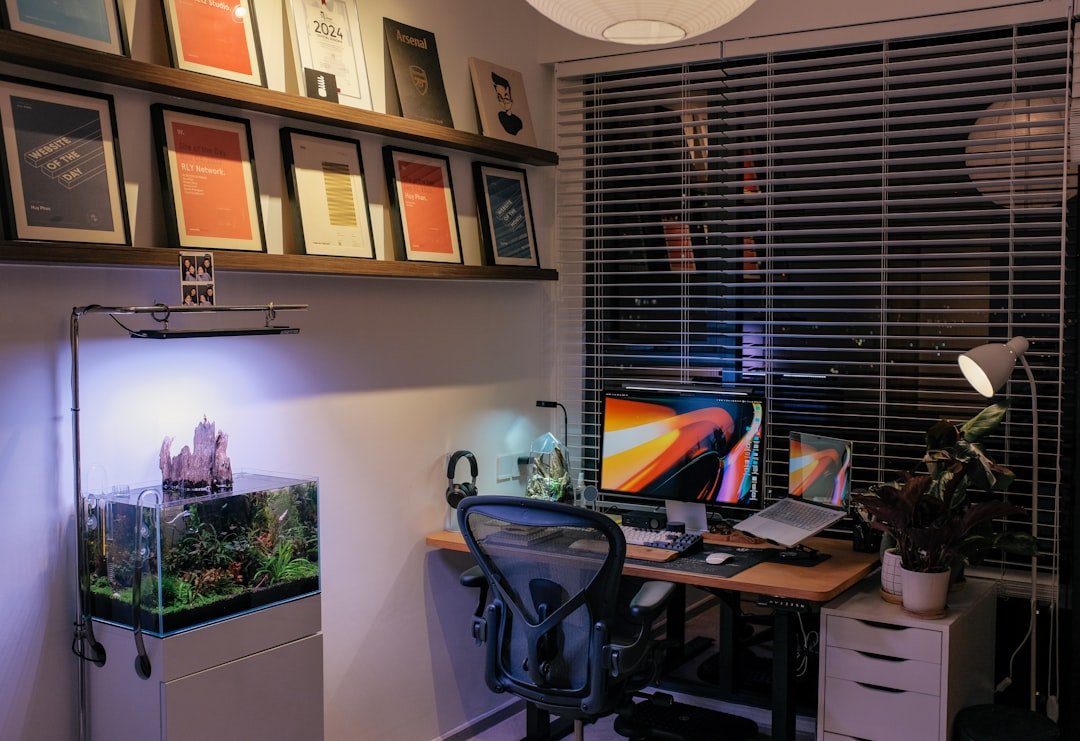
A functional workspace is essential for productivity and creativity. The design and layout of your workspace directly affect your efficiency and work experience. Creating a functional workspace requires careful attention to ergonomics.
This means choosing furniture that promotes proper posture and comfort, including an adjustable chair with lumbar support and a desk at an appropriate height. Arranging these elements should allow for easy movement and convenient access to tools and resources. Placing frequently used items within arm’s reach reduces strain and interruptions, enabling a smoother workflow.
Lighting is also critical in your workspace, as it helps maintain focus and prevents eye strain. Natural light is preferable because it improves mood and helps regulate your body’s circadian rhythms. When natural light is unavailable, high-quality artificial lighting that resembles daylight is a worthwhile investment.
Additionally, minimizing distractions through soundproofing materials or noise-canceling headphones can improve workspace functionality. By carefully addressing these factors, you can establish an environment that satisfies your practical requirements while promoting creativity and motivation.
Implementing Effective Storage Solutions
Effective storage solutions are essential for maintaining an organized workspace. A cluttered environment can lead to decreased productivity and increased stress levels. To combat this, it is important to assess the types of items that need to be stored and choose storage solutions that cater to those specific needs.
For example, open shelving can be an excellent choice for frequently used items, as it allows for easy access while also providing a visual display of materials. On the other hand, closed cabinets or drawers are ideal for items that are less frequently used or need to be kept out of sight for aesthetic reasons. In addition to traditional storage options, utilizing vertical space can significantly enhance storage capacity without taking up additional floor space.
Wall-mounted organizers, pegboards, or magnetic strips can hold tools, supplies, or even decorative items, keeping them within reach while freeing up desk space. Furthermore, incorporating multi-functional furniture—such as desks with built-in storage or ottomans that double as storage bins—can maximize efficiency in smaller workspaces. By implementing these effective storage solutions, you can create a more organized and functional environment that supports your work habits.
Establishing a Filing System
A well-organized filing system is crucial for managing documents and information efficiently. Without a proper system in place, important papers can easily become lost or misplaced, leading to frustration and wasted time. The first step in establishing a filing system is to categorize documents based on their purpose or relevance.
Common categories might include client files, project documentation, financial records, and personal correspondence. Once categories are established, it is essential to choose a filing method that suits your workflow—this could be alphabetical, chronological, or by project. Digital filing systems have gained popularity due to their convenience and accessibility.
Scanning physical documents and organizing them into folders on a computer or cloud storage can streamline access and reduce physical clutter. However, it is important to maintain a backup system to prevent data loss. For those who prefer physical files, investing in high-quality folders and labels can enhance organization and make retrieval easier.
Regularly reviewing and purging outdated documents from your filing system is also vital to ensure it remains efficient and relevant over time.
Utilizing Desk and Drawer Organizers
Desk and drawer organizers are invaluable tools for maintaining order in a workspace. These organizers come in various shapes and sizes, designed to accommodate different types of office supplies and personal items. For instance, a desk organizer with compartments for pens, sticky notes, and paper clips can help keep essential tools within easy reach while preventing clutter from accumulating on the desk surface.
Similarly, drawer organizers can compartmentalize items such as notepads, chargers, and miscellaneous office supplies, making it easier to locate what you need when you need it. In addition to traditional organizers, consider using creative solutions such as repurposed containers or DIY organizers made from materials like cardboard or wood. This not only adds a personal touch to your workspace but also allows for customization based on your specific needs.
For example, using small jars for pens or a tiered tray for sticky notes can add both functionality and aesthetic appeal to your desk. By effectively utilizing desk and drawer organizers, you can create a streamlined workspace that promotes efficiency and reduces distractions.
Managing Cables and Cords
| Metric | Description | Recommended Value/Action |
|---|---|---|
| Daily Declutter Time | Time spent each day organizing and tidying the workspace | 10-15 minutes |
| Storage Solutions | Number of storage units (drawers, shelves, bins) used to organize items | At least 3 well-labeled storage units |
| Paper Management | Frequency of sorting and filing paperwork | Once per week |
| Digital Clutter Reduction | Frequency of cleaning desktop and organizing digital files | Once per week |
| Work Surface Area | Percentage of desk surface kept clear for work | At least 75% clear |
| Unused Items Removal | Frequency of removing or donating unused office supplies or equipment | Every 3 months |
| Cable Management | Use of cable organizers to reduce tangled wires | Use cable ties or clips for all cables |
| Personal Items Limit | Number of personal items allowed on desk to avoid clutter | 3 or fewer |
In today’s technology-driven world, managing cables and cords has become an essential aspect of workspace organization. Tangled cords not only create visual chaos but can also pose safety hazards if left unchecked. To manage cables effectively, start by identifying all the devices that require power or connectivity in your workspace.
Once you have a clear picture of your cable landscape, consider using cable management solutions such as cable clips, sleeves, or ties to keep cords organized and out of sight. Another effective strategy is to designate specific areas for power strips or charging stations that centralize connections in one location. This not only reduces clutter but also makes it easier to access power sources without having cords strewn across the floor or desk.
Additionally, labeling cables can help you quickly identify which cord belongs to which device, further simplifying management efforts. By taking proactive steps to manage cables and cords, you can create a cleaner and safer workspace that enhances both functionality and aesthetics.
Decluttering Paperwork and Supplies
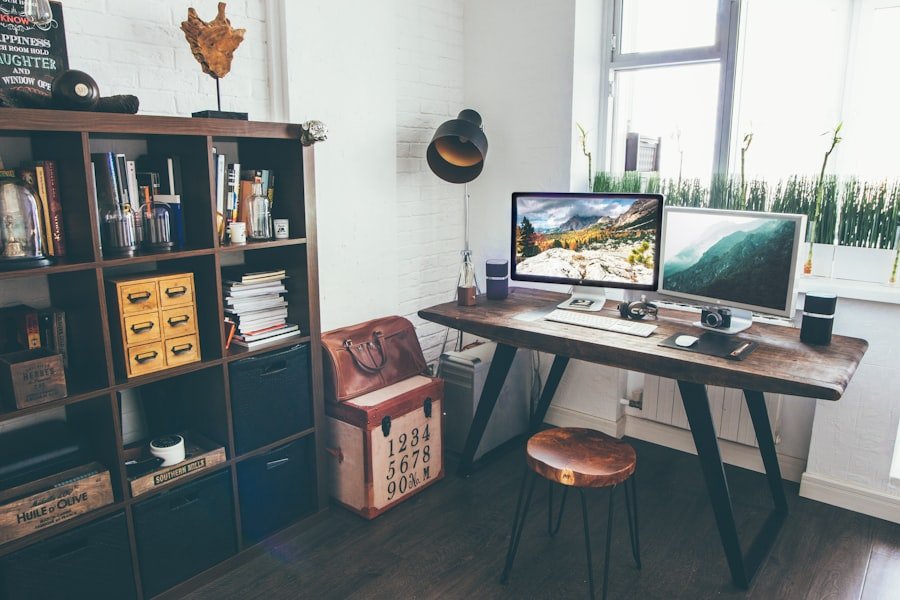
Decluttering paperwork and supplies is a critical step in maintaining an organized workspace. Over time, it is easy for documents to accumulate—whether they are outdated reports, unnecessary printouts, or supplies that are no longer needed. To effectively declutter your workspace, start by setting aside dedicated time to review all paperwork and supplies systematically.
Begin with one area at a time—such as your desk surface or a specific drawer—and assess each item’s relevance and necessity. When evaluating paperwork, consider implementing a “keep or toss” rule: if an item hasn’t been used in the past six months and doesn’t have future relevance, it may be time to let it go. For supplies, check expiration dates on items like ink cartridges or adhesives; if they are expired or nearly empty, dispose of them responsibly.
Additionally, consider digitizing important documents to reduce physical clutter while still retaining access to necessary information. By regularly decluttering paperwork and supplies, you can maintain a more organized workspace that fosters productivity.
Incorporating Decorative and Inspirational Elements
Incorporating decorative and inspirational elements into your workspace can significantly enhance your overall experience while working. Aesthetics play an important role in how we feel about our environment; therefore, adding personal touches can create a more inviting atmosphere. Consider displaying artwork that resonates with you or photographs of loved ones to create a sense of warmth and familiarity in your workspace.
Plants are another excellent addition; they not only beautify the space but also improve air quality and boost mood. Inspiration can also come from quotes or affirmations displayed prominently within your line of sight. Whether framed on the wall or written on a whiteboard, these motivational messages can serve as reminders of your goals and aspirations throughout the day.
Additionally, creating a vision board with images representing your objectives can provide visual motivation while adding an artistic flair to your workspace. By thoughtfully incorporating decorative elements that inspire you personally, you can cultivate an environment that encourages creativity and positivity.
Maintaining a Regular Cleaning and Organization Schedule
Establishing a regular cleaning and organization schedule is essential for sustaining an orderly workspace over time. Without consistent maintenance, even the most organized environments can quickly become cluttered again. To create an effective schedule, consider setting aside specific times each week dedicated solely to cleaning and organizing tasks.
This could involve tidying up surfaces, reorganizing supplies, or reviewing your filing system to ensure everything remains in its designated place. In addition to weekly maintenance, consider implementing daily habits that promote cleanliness—such as taking five minutes at the end of each workday to clear off your desk or file away documents that have accumulated throughout the day. Utilizing checklists can also help ensure that no task is overlooked during cleaning sessions.
By committing to regular cleaning and organization practices, you will not only maintain an efficient workspace but also foster a sense of pride in your environment that enhances overall productivity and well-being.
FAQs
Why is it important to keep a home office free from clutter?
Keeping a home office free from clutter helps improve focus, productivity, and reduces stress. A tidy workspace also makes it easier to find important documents and supplies, creating a more efficient work environment.
What are some effective ways to organize a home office?
Effective ways to organize a home office include using storage solutions like shelves, filing cabinets, and drawer organizers; regularly decluttering and discarding unnecessary items; labeling storage containers; and keeping only essential items on the desk.
How often should I declutter my home office?
It is recommended to declutter your home office at least once a month. Regular maintenance prevents the buildup of unnecessary items and keeps the workspace organized and functional.
What are some tips for managing paper clutter in a home office?
To manage paper clutter, consider digitizing documents, using a filing system for important papers, recycling or shredding unneeded documents, and setting up an inbox and outbox system to handle incoming and outgoing paperwork efficiently.
Can technology help reduce clutter in a home office?
Yes, technology can help reduce clutter by allowing you to store documents digitally, use cloud storage, manage tasks with digital planners, and minimize the need for physical office supplies.
How can I maintain a clutter-free home office long-term?
To maintain a clutter-free home office long-term, establish daily habits such as tidying your desk at the end of each day, regularly reviewing and organizing files, limiting the number of items on your desk, and creating designated spaces for all office supplies.
What role does furniture play in keeping a home office organized?
Furniture with built-in storage, such as desks with drawers or shelves, can help keep supplies organized and out of sight. Choosing the right furniture maximizes space and reduces clutter by providing designated areas for different items.
Is it helpful to personalize a clutter-free home office?
Personalizing a home office can boost motivation and comfort, but it’s important to keep personal items minimal and organized to avoid adding clutter. Select a few meaningful decorations that do not interfere with workspace functionality.