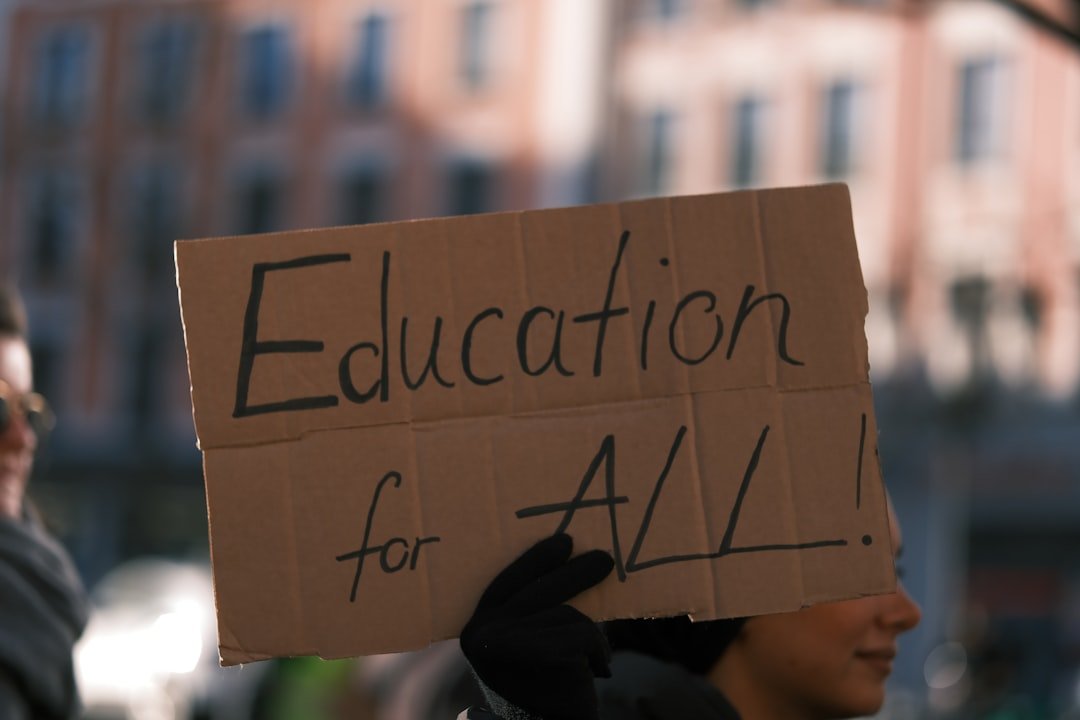

In recent years, academic institutions have observed an increase in students expressing dissatisfaction with their course selections. This trend reflects a growing gap between what students anticipate from their courses and what they actually experience. As universities expand their course catalogs and students face more options, many enroll in classes that do not match their interests, professional objectives, or preferred learning methods.
This mismatch frequently results in frustration and disappointment, leading students to reconsider their academic choices. Several factors contribute to this pattern of course dissatisfaction. The increasing complexity of degree requirements and expectations to study multiple disciplines play significant roles.
Many students arrive at college with varied interests, often shaped by social expectations or the goal of developing a well-rounded education. However, this exploration sometimes results in impulsive enrollment decisions, where students select courses that appear interesting initially but ultimately do not align with their genuine academic interests. Consequently, reports of student dissatisfaction with course selections have increased, prompting educational leaders to investigate the causes and develop potential remedies.
Factors Contributing to Student’s Remorse
Several factors contribute to the phenomenon of students experiencing remorse over their course selections. One significant factor is the lack of adequate guidance during the course selection process. Many institutions provide limited resources for students to navigate their options effectively.
Academic advisors may be overburdened or lack the necessary training to help students make informed decisions. Consequently, students may find themselves choosing courses based on superficial criteria, such as popularity or perceived ease, rather than a thorough understanding of how these courses fit into their overall academic and career trajectories. Another contributing factor is the influence of peer pressure and social dynamics.
Students often feel compelled to enroll in courses that their friends are taking or those that are deemed “trendy” within their social circles. This herd mentality can lead to choices that do not align with individual interests or strengths. Additionally, the fear of missing out (FOMO) can drive students to select courses that appear exciting or prestigious, even if they lack genuine interest in the subject matter.
This combination of inadequate guidance and social influences creates an environment ripe for regrettable course selections.
Identifying Regrettable Courses: Signs to Look Out For

Recognizing the signs of a regrettable course is crucial for students seeking to mitigate feelings of remorse. One clear indicator is a persistent lack of engagement or enthusiasm for the material being covered. If a student finds themselves consistently disinterested in lectures, assignments, or discussions, it may signal that the course is not a good fit for their academic goals or personal interests.
Additionally, if a student struggles to connect the course content with their intended career path or major, it may be time to reassess their choice. Another sign of a regrettable course is an overwhelming sense of stress or anxiety associated with the coursework. While some level of challenge is expected in higher education, excessive stress can indicate that a course is misaligned with a student’s abilities or learning style.
If a student feels consistently overwhelmed by assignments or unable to keep up with the pace of the class, it may be worth considering whether this course is truly beneficial for their academic journey. Recognizing these signs early on can empower students to take proactive steps toward addressing their regrets.
Impact of Regrettable Courses on Academic Performance
The impact of regrettable courses on academic performance can be profound and multifaceted. Students who find themselves in courses that do not resonate with their interests or strengths often experience decreased motivation and engagement. This disengagement can lead to lower grades and diminished academic performance overall.
When students are not invested in their coursework, they may struggle to complete assignments on time or participate actively in class discussions, further exacerbating their feelings of regret. Moreover, regrettable courses can have a ripple effect on a student’s overall academic trajectory. Poor performance in one class can lead to a decline in GPA, which may affect eligibility for scholarships, internships, or graduate programs.
Additionally, students who feel trapped in courses they regret may become disillusioned with their entire academic experience, leading to increased dropout rates or changes in major that could have been avoided with more thoughtful course selection. The consequences of regrettable courses extend beyond individual grades; they can shape a student’s entire educational journey.
Coping with Student’s Remorse: Strategies for Overcoming Regret
| Course | Percentage of Students Regretting (%) | Common Reasons for Regret | Average Time to Regret (Years) |
|---|---|---|---|
| Philosophy | 35 | Poor job prospects, limited practical skills | 2 |
| Fine Arts | 40 | Low income potential, high competition | 3 |
| History | 30 | Limited career options, lack of industry demand | 2.5 |
| Psychology | 25 | Need for advanced degrees, unclear career path | 3 |
| Business Administration | 20 | Highly competitive field, oversaturation | 1.5 |
| Engineering | 15 | High workload, stressful environment | 2 |
| Computer Science | 10 | Rapidly changing technology, high pressure | 1 |
Coping with feelings of remorse over course selections requires a proactive approach and a willingness to reflect on one’s academic journey. One effective strategy is to engage in self-assessment and reflection. Students should take time to evaluate what specifically led them to choose a particular course and identify any patterns in their decision-making process.
By understanding the motivations behind their choices, students can gain valuable insights into their interests and preferences, which can inform future decisions. Another strategy involves seeking out opportunities for engagement within the regrettable course itself. While it may be challenging to find motivation in a class that feels misaligned with one’s goals, actively participating in discussions, forming study groups, or seeking additional resources can help enhance the learning experience.
By taking ownership of their education and finding ways to connect with the material, students may discover unexpected value in even the most regrettable courses.
Seeking Support: Resources Available for Students Dealing with Regrettable Courses

Students grappling with feelings of regret over their course selections should not hesitate to seek support from various resources available on campus. Academic advisors play a crucial role in helping students navigate their educational paths and can provide valuable insights into alternative course options or strategies for managing challenging classes. Many institutions also offer counseling services that can assist students in processing their emotions and developing coping strategies.
Peer support networks can also be instrumental in addressing feelings of remorse. Forming study groups or connecting with classmates who share similar experiences can foster a sense of community and provide opportunities for collaboration and encouragement. Additionally, online forums and social media groups dedicated to specific majors or academic interests can serve as platforms for students to share their experiences and seek advice from others who have faced similar challenges.
Preventing Student’s Remorse: Tips for Making Informed Course Choices
Preventing student remorse begins with making informed decisions during the course selection process. One effective tip is to conduct thorough research on potential courses before enrolling. This includes reviewing syllabi, reading course descriptions, and seeking feedback from peers who have previously taken the class.
Understanding the expectations and requirements of a course can help students gauge whether it aligns with their interests and learning styles. Another important consideration is to engage in open conversations with academic advisors and faculty members about potential course choices. These professionals can provide insights into how specific courses fit within a student’s overall academic plan and career aspirations.
Additionally, attending information sessions or workshops on course selection can equip students with valuable tools for making informed decisions that align with their goals.
Moving Forward: Learning from Regrettable Courses and Making Positive Changes
Experiencing regret over course selections can serve as an opportunity for growth and self-discovery. Students should view these experiences as valuable lessons that can inform future decisions rather than as failures. By reflecting on what went wrong and identifying specific factors that contributed to their regret, students can develop a clearer understanding of their academic preferences and priorities.
Moving forward, it is essential for students to embrace a mindset of adaptability and resilience. Higher education is inherently filled with uncertainties and challenges; learning how to navigate these complexities will serve them well beyond the classroom. By applying the insights gained from regrettable courses to future academic endeavors, students can cultivate a more fulfilling educational experience that aligns with their passions and aspirations.
FAQs
What are some common courses that students often regret choosing?
Students frequently regret choosing courses that do not align with their interests, career goals, or job market demand. Examples include overly specialized courses with limited job prospects, courses with a heavy theoretical focus but little practical application, or subjects that students find too challenging or unengaging.
Why do students regret their course choices?
Regret can stem from various factors such as discovering a lack of passion for the subject, realizing the course does not lead to desired career opportunities, facing unexpected academic difficulty, or finding the course content irrelevant to their future plans.
Can course regret affect a student’s academic performance?
Yes, students who regret their course choice may experience decreased motivation, lower engagement, and higher stress levels, which can negatively impact their academic performance and overall well-being.
Is it common for students to change their courses after starting?
Yes, many students change their courses or majors after gaining more insight into their interests and career goals. Universities often provide options for course changes or academic advising to help students make informed decisions.
How can students avoid regretting their course choices?
Students can reduce the risk of regret by researching courses thoroughly, seeking career counseling, talking to current students and professionals in the field, and considering their own interests and strengths before making a decision.
Are there resources available to help students who regret their course choice?
Most educational institutions offer academic advising, career counseling, and mental health support services to assist students who are uncertain or unhappy with their course choices. These resources can help students explore alternatives and plan their academic paths effectively.
Does regretting a course choice mean a student has failed?
No, regretting a course choice is a common experience and does not indicate failure. It can be an important learning opportunity that helps students better understand their preferences and make more suitable decisions in the future.