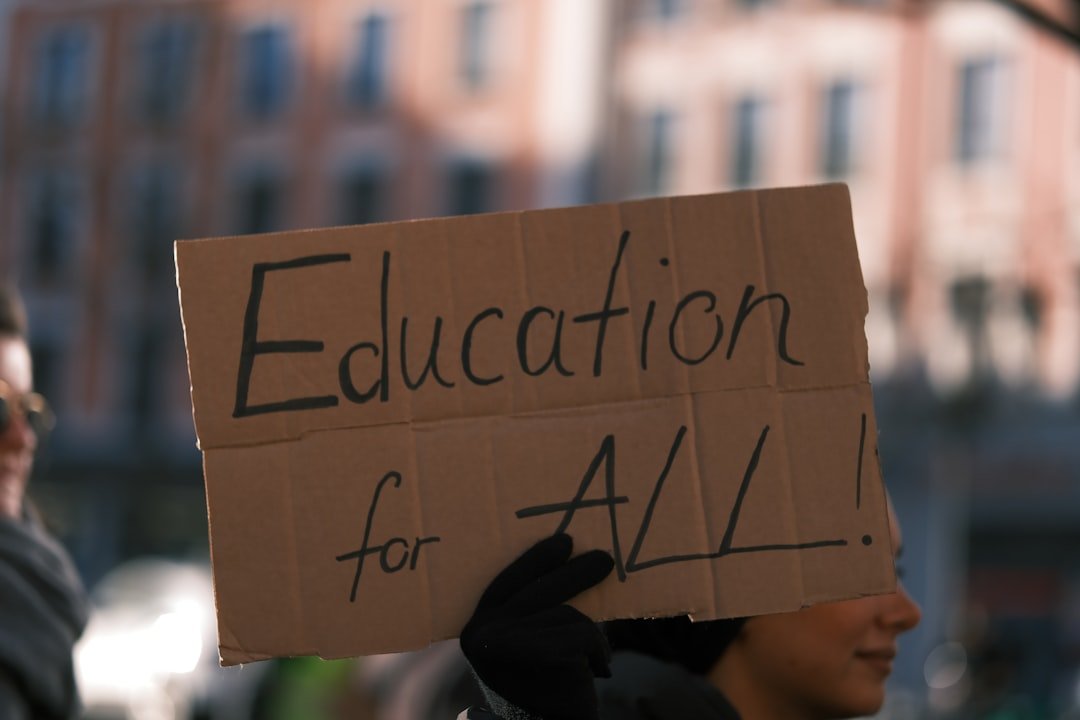

In contemporary society, the term “useless degree” has become increasingly common, typically referring to academic qualifications that do not directly lead to specific job opportunities or measurable career advancement. Disciplines such as philosophy, art history, and gender studies are frequently cited as examples. Critics contend that these programs fail to provide students with the practical skills and technical knowledge required to compete effectively in the job market.
However, this assessment neglects the comprehensive purpose of higher education. These fields develop critical thinking, analytical reasoning, and cultural literacy—competencies that prove valuable across numerous professional sectors, even when they do not correspond to a particular job title. Additionally, characterizing a degree as “useless” does not account for the changing landscape of employment and economic demands.
Contemporary industries increasingly prioritize soft skills—including communication, creative problem-solving, and adaptability—alongside or above traditional technical qualifications. From this perspective, degrees that appear initially impractical can establish a strong foundation for developing these sought-after abilities. For example, a graduate with a literature degree may perform effectively in positions requiring advanced writing and analytical capabilities, such as marketing or public relations roles.
Consequently, while certain degrees may not provide direct entry into a specific profession, they can develop a transferable skill set applicable across multiple industries and career paths.
The Impact of Unemployment on Mental Health
The relationship between unemployment and mental health is complex and multifaceted. Research consistently shows that job loss can lead to significant psychological distress, including anxiety, depression, and a sense of hopelessness. The abrupt transition from being employed to unemployed can disrupt an individual’s routine and sense of purpose, leading to feelings of inadequacy and low self-esteem.
This emotional toll is particularly pronounced for those who have invested time and resources into obtaining a degree that is perceived as useless, as they may feel that their efforts have been in vain. Furthermore, the stigma associated with unemployment can exacerbate mental health issues. Individuals may withdraw from social interactions due to feelings of shame or embarrassment about their job status.
This isolation can create a vicious cycle where the lack of social support further deteriorates mental well-being. Studies have shown that unemployed individuals are at a higher risk for substance abuse and other maladaptive coping mechanisms. Addressing these mental health challenges requires a multifaceted approach that includes access to counseling services, community support networks, and initiatives aimed at reducing the stigma surrounding unemployment.
The Rise of Underemployment

Underemployment has emerged as a significant issue in the modern workforce, characterized by individuals working in jobs that do not fully utilize their skills or education. This phenomenon is particularly prevalent among recent graduates who find themselves in positions that do not align with their academic backgrounds or career aspirations. For example, a graduate with a degree in engineering may end up working in retail or food service, leading to frustration and disillusionment.
The mismatch between education and employment not only affects individual job satisfaction but also has broader implications for economic productivity and growth. The rise of underemployment can be attributed to several factors, including economic downturns, shifts in industry demand, and the increasing prevalence of gig work. As traditional career paths become less stable, many individuals are forced to accept jobs that do not reflect their qualifications or ambitions.
This situation can lead to a sense of stagnation and hinder professional development. Moreover, underemployment can perpetuate cycles of poverty and inequality, as individuals struggle to make ends meet while working in low-wage positions that offer little opportunity for advancement.
The Importance of Practical Skills in the Job Market
In an increasingly competitive job market, practical skills have become paramount for job seekers across various fields. Employers are placing greater emphasis on candidates who possess hands-on experience and technical abilities that can be immediately applied in the workplace. This shift has led to a growing demand for vocational training programs and certifications that provide individuals with the specific skills needed for particular roles.
For instance, fields such as information technology, healthcare, and skilled trades often prioritize practical experience over formal education alone. The importance of practical skills is underscored by the rapid pace of technological advancement. As industries evolve and new tools emerge, workers must be adaptable and willing to learn continuously.
This reality has prompted many educational institutions to reevaluate their curricula and incorporate experiential learning opportunities such as internships, co-op programs, and project-based courses. By bridging the gap between theory and practice, these initiatives help students develop the competencies necessary to succeed in their chosen careers while also enhancing their employability.
The Role of Higher Education in Career Preparation
| Degree | Unemployment Rate (%) | Average Starting Salary | Employment Rate Within 6 Months (%) | Common Fields of Employment |
|---|---|---|---|---|
| Philosophy | 12.5 | 38,000 | 55 | Education, Writing, Research |
| Fine Arts | 14.2 | 35,000 | 50 | Art, Design, Freelance |
| Anthropology | 13.0 | 37,000 | 52 | Research, Museums, Education |
| Religious Studies | 15.1 | 34,000 | 48 | Education, Non-profits, Writing |
| Drama and Theater Arts | 16.3 | 33,000 | 45 | Performing Arts, Education, Freelance |
Higher education plays a crucial role in preparing individuals for their careers; however, its effectiveness is often debated. Traditional academic programs have been criticized for being too theoretical and disconnected from the realities of the job market. Critics argue that universities should prioritize career-oriented training and align their curricula with industry needs.
In response to this criticism, many institutions are beginning to adopt more innovative approaches to education that emphasize interdisciplinary learning and real-world applications. One notable trend is the integration of career services into academic programs. Many universities now offer resources such as resume workshops, interview preparation sessions, and networking events designed to connect students with potential employers.
Additionally, partnerships with local businesses and organizations allow students to gain valuable experience through internships and cooperative education placements. These initiatives not only enhance students’ employability but also foster relationships between academia and industry, ensuring that graduates are better equipped to navigate the complexities of the modern workforce.
Overcoming the Stigma of Useless Degrees

The stigma surrounding certain degrees can be detrimental to graduates’ self-esteem and career prospects. Individuals who hold degrees in fields deemed “useless” may face skepticism from employers and peers alike, leading them to question the value of their education. Overcoming this stigma requires a concerted effort from both individuals and society at large.
Graduates must learn to articulate the transferable skills they have gained through their studies while also seeking out opportunities that align with their interests and strengths. Moreover, changing societal perceptions about education is essential for dismantling the stigma associated with certain degrees. Public discourse should emphasize the diverse pathways to success that exist beyond traditional career trajectories.
Celebrating successful individuals from various academic backgrounds can help shift attitudes toward non-conventional degrees. For instance, many entrepreneurs and innovators have backgrounds in liberal arts or humanities, demonstrating that creativity and critical thinking can lead to impactful contributions in various fields.
Finding Alternative Paths to Success
As traditional career paths become less predictable, individuals are increasingly exploring alternative routes to success. Entrepreneurship has gained popularity as a viable option for those seeking autonomy and fulfillment in their careers. Many graduates with “useless degrees” have turned their passions into profitable ventures by leveraging their unique perspectives and skills.
For example, someone with a degree in fine arts might start a successful design business or an online platform showcasing their artwork. Additionally, non-traditional educational pathways such as online courses, boot camps, and vocational training programs are gaining traction among those looking to enhance their skill sets without pursuing a conventional degree. These alternatives often provide targeted training in high-demand areas such as coding, digital marketing, or graphic design.
By embracing diverse learning opportunities and entrepreneurial endeavors, individuals can carve out fulfilling careers that align with their passions while circumventing the limitations imposed by traditional educational frameworks.
The Future of Work and Education
The future landscape of work and education is poised for significant transformation driven by technological advancements and shifting societal needs. As automation continues to reshape industries, there will be an increasing demand for workers who possess not only technical skills but also critical thinking abilities and emotional intelligence. Educational institutions must adapt by fostering an environment that encourages creativity, collaboration, and lifelong learning.
Moreover, the integration of technology into education is likely to expand access to learning opportunities for individuals from diverse backgrounds. Online platforms and digital resources can democratize education by providing flexible options for those who may not have access to traditional institutions. As we move forward into an era characterized by rapid change and uncertainty, it is essential for both educators and students to embrace adaptability and innovation as core tenets of success in the evolving world of work.
FAQs
What does it mean when a degree doesn’t lead to employment?
A degree that doesn’t lead to employment typically refers to academic qualifications that have low job placement rates or limited career opportunities directly related to the field of study.
Which degrees are commonly associated with low employment rates?
Degrees in fields such as certain liberal arts, fine arts, and some social sciences have been reported to have lower employment rates compared to degrees in STEM (Science, Technology, Engineering, and Mathematics) or healthcare-related fields.
Why do some degrees have lower employment prospects?
Lower employment prospects can result from factors like limited industry demand, oversaturation of graduates in the field, lack of practical skills training, or economic shifts reducing job availability in certain sectors.
Does having a degree guarantee employment?
No, having a degree does not guarantee employment. Employment outcomes depend on various factors including the field of study, individual skills, work experience, economic conditions, and networking.
Can graduates improve their employment chances if their degree has low job prospects?
Yes, graduates can enhance employability by gaining relevant work experience, developing transferable skills, pursuing internships, obtaining certifications, or considering further education in high-demand fields.
Are there resources to help students choose degrees with better employment outcomes?
Yes, many universities, career centers, and government labor departments provide data on employment rates by degree, job market trends, and career counseling to help students make informed decisions.
Is it better to choose a degree based solely on employment prospects?
While employment prospects are important, it is also essential to consider personal interests, strengths, and long-term career goals when choosing a degree to ensure job satisfaction and success.
How can employers’ demand influence the employment rates of certain degrees?
Employers’ demand directly affects job availability; degrees aligned with industries experiencing growth tend to have higher employment rates, whereas those linked to declining sectors may face reduced opportunities.
Do economic conditions impact the employment outcomes of graduates?
Yes, economic downturns or recessions can reduce job openings across many fields, affecting the employment rates of graduates regardless of their degree.
Are there alternative career paths for graduates with degrees that have low direct employment rates?
Yes, graduates can often apply their skills in related or interdisciplinary fields, pursue entrepreneurship, or engage in further education to diversify their career options.