Smart home automation uses interconnected devices to control household functions remotely or automatically. These systems improve convenience, efficiency, and security by managing tasks ranging from lighting and temperature adjustment to security monitoring and entertainment. As Internet of Things (IoT) technology expands, smart home automation has become increasingly accessible to homeowners seeking to modernize their living spaces.
Older homes present particular opportunities for smart home upgrades. While these properties often feature distinctive architectural elements and character, they typically lack modern conveniences. Smart technology retrofitting allows homeowners to add contemporary functionality while preserving the aesthetic qualities of their homes.
This article examines the process of integrating smart home automation into older residences, including needs assessment, system upgrades, and product selection.
Assessing the Needs of an Older Home
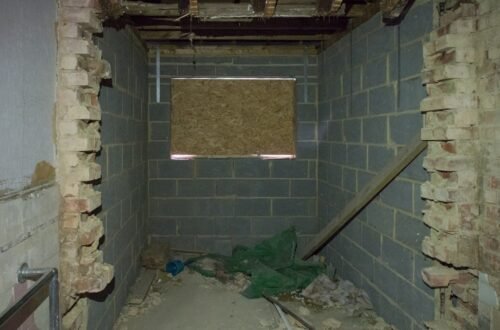
Before embarking on a smart home automation project, it is essential to conduct a thorough assessment of the existing infrastructure and specific needs of the older home. This evaluation should begin with an examination of the electrical systems, as older homes may have outdated wiring that could pose challenges for modern technology. For instance, homes built before the 1980s often lack the capacity to support multiple high-demand devices simultaneously.
Homeowners should consider consulting with a licensed electrician to determine whether their electrical system can handle the additional load of smart devices. In addition to electrical considerations, assessing the layout and design of the home is crucial. Older homes may have unique architectural features that can complicate the installation of smart devices.
For example, thick walls or multiple levels can hinder wireless connectivity, necessitating the use of additional equipment such as range extenders or mesh networks. Furthermore, understanding the lifestyle and preferences of the occupants is vital. Are there specific areas where automation would enhance daily routines?
Identifying these priorities will help guide decisions on which systems to implement and how to integrate them effectively.
Upgrading Lighting and Climate Control Systems
One of the most impactful areas for smart home automation in older residences is lighting and climate control. Traditional lighting systems can be upgraded with smart bulbs or fixtures that allow for remote control via smartphone apps or voice commands. These smart lighting solutions not only provide convenience but also offer energy-saving features such as scheduling and dimming capabilities.
For instance, homeowners can program lights to turn on at sunset or adjust brightness levels based on the time of day, creating a more comfortable living environment while reducing energy consumption. Similarly, climate control systems can be modernized through the installation of smart thermostats. These devices learn user preferences over time and can adjust heating and cooling settings accordingly, optimizing energy usage while maintaining comfort.
For example, a smart thermostat can lower the temperature during the day when no one is home and raise it before occupants return, ensuring a pleasant atmosphere without unnecessary energy expenditure. Additionally, integrating smart sensors can enhance climate control by detecting occupancy and adjusting settings based on real-time data.
Implementing Smart Security Systems
Security is a paramount concern for homeowners, and upgrading to smart security systems can significantly enhance safety in older homes. Traditional security measures such as locks and alarms can be supplemented with advanced technology that offers real-time monitoring and alerts. Smart doorbells equipped with cameras allow homeowners to see who is at their door from anywhere, providing peace of mind when away from home.
These devices often include features such as two-way audio communication and motion detection, enabling users to interact with visitors remotely. Moreover, comprehensive security systems can include smart locks that allow for keyless entry, enhancing convenience while improving security. Homeowners can grant access to trusted individuals through temporary codes or mobile app permissions, eliminating the need for physical keys that can be lost or duplicated.
Additionally, integrating motion sensors and surveillance cameras throughout the property can create a robust security network that alerts homeowners to any unusual activity. This level of monitoring not only deters potential intruders but also provides valuable evidence in case of incidents.
Integrating Smart Appliances and Entertainment Systems
| Step | Task | Estimated Time | Tools/Materials Needed | Notes |
|---|---|---|---|---|
| 1 | Assess Existing Wiring and Infrastructure | 2-4 hours | Voltage tester, wire tracers, flashlight | Check for compatibility and safety of current wiring |
| 2 | Choose Compatible Smart Devices | 1-2 hours | Device manuals, smartphone or computer | Prefer wireless or retrofit-friendly devices |
| 3 | Install Smart Hub or Controller | 30 minutes – 1 hour | Smart hub, power source, internet connection | Place centrally for optimal connectivity |
| 4 | Install Smart Switches and Outlets | 1-3 hours per room | Screwdrivers, wire nuts, smart switches/outlets | Turn off power before installation; may require electrician |
| 5 | Set Up Wireless Sensors and Devices | 1-2 hours | Smart sensors, batteries, mounting hardware | Use adhesive or screws for mounting; test connectivity |
| 6 | Configure Automation and Scenes | 1-2 hours | Smartphone or computer, app software | Customize based on user preferences and routines |
| 7 | Test and Troubleshoot System | 1-2 hours | Smart devices, app, troubleshooting guides | Ensure all devices communicate properly and respond |
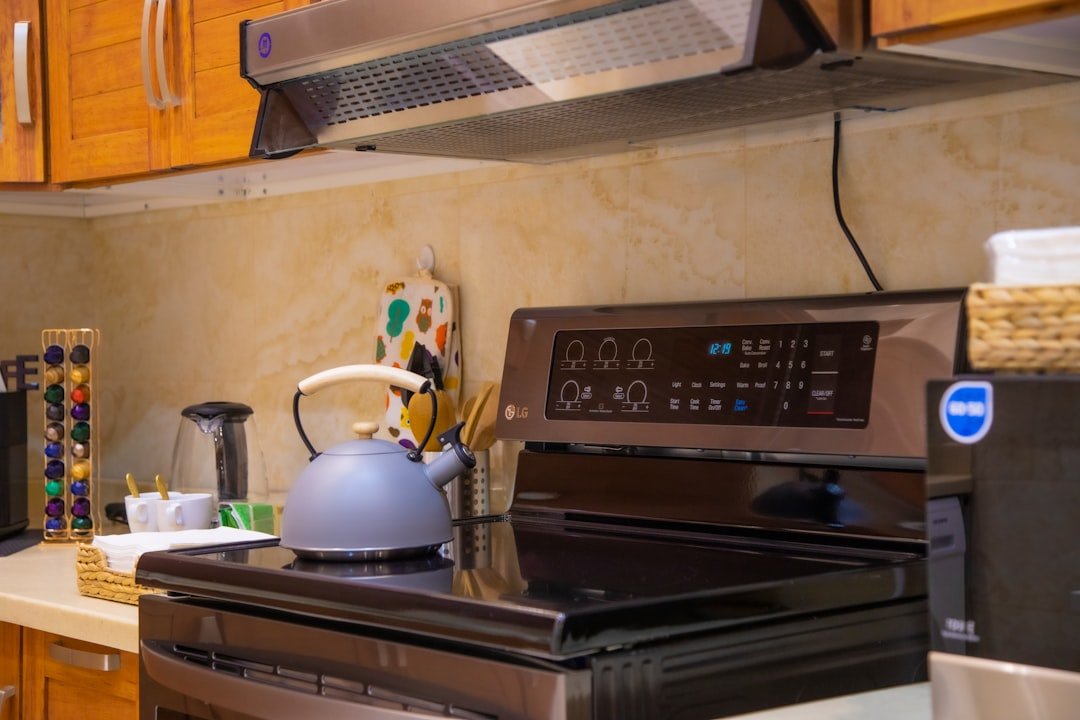
The integration of smart appliances into older homes represents another significant advancement in home automation. Modern appliances such as refrigerators, ovens, and washing machines come equipped with smart technology that allows for remote monitoring and control. For instance, a smart refrigerator can notify homeowners when groceries are running low or suggest recipes based on available ingredients.
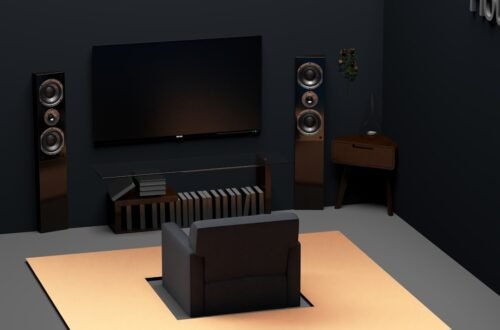
This level of connectivity enhances convenience and encourages more efficient meal planning. Entertainment systems also benefit from smart technology integration. Homeowners can create a seamless audio-visual experience by connecting smart TVs, speakers, and streaming devices through a centralized hub or app.
This allows for easy control of media playback across multiple devices, enabling users to enjoy their favorite shows or music without the hassle of managing numerous remotes or inputs. Furthermore, voice-activated assistants can facilitate hands-free control of entertainment systems, making it easier to switch between activities or adjust settings without interrupting the experience.
Choosing the Right Smart Home Automation Products
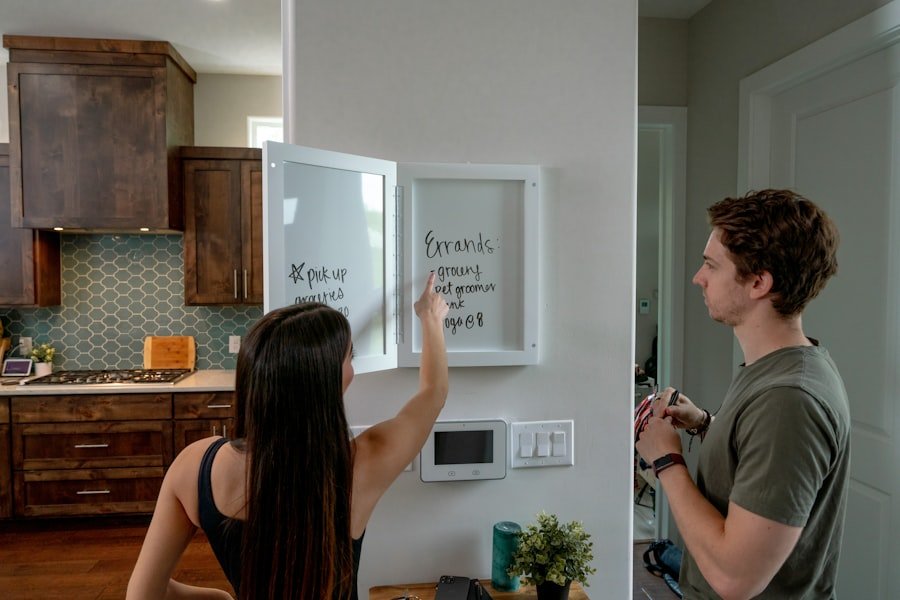
Selecting the appropriate smart home automation products is crucial for ensuring a successful upgrade in an older home. With a plethora of options available on the market, homeowners must consider factors such as compatibility, ease of use, and scalability when making their choices. It is advisable to start with a central hub that can connect various devices from different manufacturers, allowing for streamlined control through a single interface.
Popular hubs include platforms like Samsung SmartThings or Amazon Echo Plus, which support a wide range of compatible devices. Additionally, homeowners should prioritize products that offer robust customer support and regular software updates. This ensures that devices remain secure and functional over time.
Reading reviews and seeking recommendations from trusted sources can also aid in making informed decisions about which products will best meet individual needs. For example, if energy efficiency is a priority, investing in Energy Star-rated appliances or smart thermostats with proven track records for energy savings would be beneficial.
Addressing Compatibility and Connectivity Issues
One of the challenges often faced when upgrading older homes with smart home automation is ensuring compatibility among various devices and addressing connectivity issues. Many smart devices operate on different communication protocols such as Wi-Fi, Zigbee, or Z-Wave, which can lead to complications if not properly managed. Homeowners should research which protocols are supported by their chosen hub and ensure that all devices are compatible before making purchases.
Connectivity issues may also arise due to physical barriers within older homes, such as thick walls or multiple floors that impede wireless signals. To mitigate these challenges, homeowners might consider investing in range extenders or mesh Wi-Fi systems that enhance coverage throughout the property. These solutions help maintain strong connections between devices, ensuring reliable performance for all automated functions.
Additionally, regular maintenance checks on network equipment can help identify potential issues before they disrupt daily operations.
The Benefits of Upgrading Older Homes with Smart Home Automation
Upgrading older homes with smart home automation offers numerous benefits that extend beyond mere convenience. One significant advantage is increased energy efficiency; by implementing smart lighting and climate control systems, homeowners can reduce their energy consumption significantly. This not only lowers utility bills but also contributes to environmental sustainability by minimizing carbon footprints.
Moreover, enhancing security through smart technology provides peace of mind for homeowners and their families. The ability to monitor properties remotely and receive real-time alerts fosters a sense of safety that traditional security measures may not offer. Additionally, integrating smart appliances and entertainment systems enriches daily living experiences by providing greater control over household functions and leisure activities.
Ultimately, retrofitting older homes with smart home automation creates a harmonious blend of modern technology and classic architecture. Homeowners can enjoy the best of both worlds—preserving the unique character of their residences while embracing innovations that enhance comfort, efficiency, and security in their everyday lives. As technology continues to evolve, so too will the possibilities for transforming older homes into intelligent living spaces that cater to contemporary needs.
FAQs
What are the challenges of installing smart home automation systems in older houses?
Older houses often have outdated wiring, limited electrical capacity, and structural constraints that can make installation more complex. Additionally, older walls may be harder to retrofit with new wiring or sensors without causing damage.
Can smart home devices work without rewiring an older house?
Yes, many smart home devices use wireless technology such as Wi-Fi, Zigbee, or Z-Wave, which can be installed without extensive rewiring. Battery-powered sensors and smart plugs are common options that minimize the need for electrical work.
Is it necessary to upgrade the electrical panel when installing smart home systems in older homes?
It depends on the existing electrical system and the power requirements of the smart devices. In some cases, upgrading the electrical panel or adding dedicated circuits may be necessary to safely support new devices.
What types of smart home automation systems are suitable for older houses?
Wireless systems, smart plugs, battery-operated sensors, and voice-controlled assistants are generally suitable. Systems that require minimal wiring or use existing infrastructure, like smart thermostats compatible with older HVAC systems, are also good options.
Do smart home automation systems require professional installation in older homes?
While many smart devices are designed for DIY installation, professional help may be advisable for complex systems, especially if electrical upgrades or structural modifications are needed.
How can I ensure compatibility between smart home devices and older home infrastructure?
Check device specifications for compatibility with your home’s wiring, HVAC, and internet connectivity. Consulting with a professional installer or using devices designed for retrofit applications can help ensure compatibility.
Are there any safety concerns when installing smart home systems in older houses?
Yes, older electrical systems may not meet current safety standards. It is important to assess the condition of wiring and electrical panels and to follow local codes. Hiring a licensed electrician for inspections and installations is recommended.
Can smart home automation improve energy efficiency in older houses?
Yes, smart thermostats, lighting controls, and energy monitoring devices can help optimize energy use, even in older homes, leading to potential cost savings and increased comfort.
What is the typical cost range for installing smart home automation in an older house?
Costs vary widely depending on the complexity of the system, the number of devices, and whether professional installation is required. Basic DIY setups can be affordable, while full home automation with professional installation can be more expensive.
Will installing smart home automation affect the value of an older house?
Smart home automation can increase a home’s appeal and potentially its market value by offering modern conveniences and improved energy efficiency, but the impact varies by market and buyer preferences.